Air rights influence how New York City grows and how owners maximize long-term property value. They determine the height, density, and future character of individual blocks, making them essential to both buyers and developers.
Many property owners feel uncertain about air rights because zoning language can be technical. A clear explanation helps align expectations and supports stronger decisions in a complex 2026 market.
What Air Rights Mean in NYC
Air rights represent unused development potential above a property. Zoning assigns each tax lot a maximum buildable area based on the Floor Area Ratio (FAR). If a building sits well below its allowable square footage, the unused portion may become transferable. That potential can support vertical additions, redevelopment, or a sale to a neighboring site. The value depends on location, zoning district, and market conditions.
How FAR Works
FAR is a multiplier that connects lot size to possible development scale. A 10,000-square-foot lot with a FAR of 6 permits 60,000 buildable square feet. If the existing structure uses 40,000 square feet, 20,000 square feet remain unused. That remainder may hold significant value in dense Manhattan corridors where land supply remains limited. A current zoning analysis is essential because FAR rules vary across districts.
Key factors that influence FAR
-
Zoning district classification
-
Lot size, depth, and corner status
-
Height and setback requirements
-
Landmark or historic restrictions
-
Street wall and light plane rules
These factors determine whether unused development rights exist and whether they can be transferred.
How Air Rights Are Transferred
Most transfers occur between adjoining lots because NYC limits the movement of development rights. In many cases, owners complete a zoning lot merger that treats two or more parcels as a single zoning lot. Some special districts permit transfers across wider areas, but those transactions involve more steps and stricter conditions. Buyers should understand that air rights deals follow established legal structures.
Common transfer structures
-
Direct transfer to a neighboring property
-
Multi-parcel zoning lot merger involving several owners
-
Transfer within a designated special district
The structure affects documentation, negotiation, timing, and final development massing.
Documentation and Required Approvals
Air rights transactions rely on detailed filings that must remain consistent through each step of the process. Delays often occur when documents conflict with surveys or recorded declarations. A complete due diligence review protects both buyers and sellers.
Typical requirements include:
-
Zoning lot description
-
Zoning lot merger agreement
-
Recorded declarations and easements
-
Updated survey and tax lot information
-
Title work confirming prior transfers
-
Architect zoning analysis
A missing or inaccurate document can delay permits or require costly redesigns during development.
Risks and Common Mistakes
Air rights offer clear value when handled correctly, but they also present risk. Many issues arise from weak due diligence or unrealistic assumptions about approvals.
Frequent challenges include:
-
Overstated transferable square footage
-
Reliance on outdated or incomplete surveys
-
Assumption that approvals will proceed without review
-
Lack of awareness regarding pending rezonings
-
Misunderstanding contextual district height limits
The most successful transactions involve precise numbers, careful zoning studies, and well-structured documentation.
Real Examples in the Market
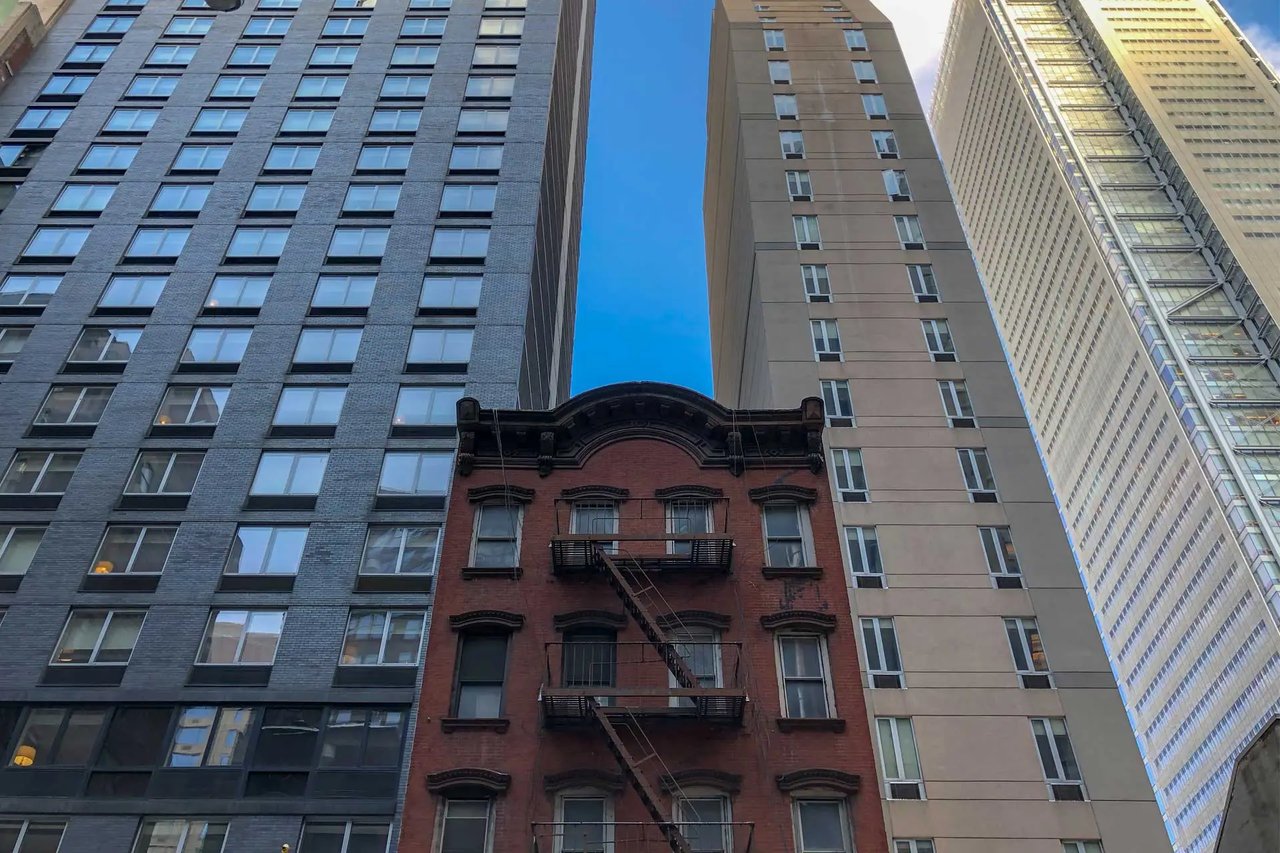
Air rights have shaped many well-known blocks in Manhattan. Several residential towers in Midtown South rose above their surroundings because smaller neighboring buildings sold unused development rights. Developers often rely on zoning lot mergers to create viable floor plates on constrained sites. This approach remains common in 2026 as land scarcity encourages more careful optimization of every square foot.
For a project-based context, the Development section at https://decodenyc.com/blog provides real examples of how air rights influence building form and scale.
2026 Market Insights
Air rights demand remains steady because development sites continue to shrink and replacement opportunities remain limited. Several trends shape current pricing and negotiations.
Current observations include:
-
Stronger interest in midblock parcels that require mergers
-
Increased attention to privacy, light, and long-term view retention
-
Greater sensitivity to shadows affecting parks and narrow streets
-
Rising construction costs are pushing developers to maximize buildable area
-
Buyers seeking transparency regarding any past or pending transfers
These conditions reinforce the importance of accurate FAR calculations before any offer.
How Air Rights Affect Property Value
Unused development rights can represent significant value for owners of underbuilt properties in strong locations. Buyers also consider how nearby air rights may influence future sunlight, views, and height. Air rights can enhance or reduce long-term stability, depending on how surrounding owners use their remaining FAR.
Air rights can support:
-
Vertical expansion or rooftop additions
-
Sale to a neighboring project seeking height
-
Preservation of historic buildings through shifted bulk
-
Repositioning of older buildings into stronger assets
The impact varies by neighborhood, building type, and local development activity.
Due Diligence Steps for Buyers and Developers
Air rights transactions require precise documentation and careful zoning review. Mistakes often occur when parties underestimate the complexity of the process.
Recommended steps include:
-
Verify existing built square footage with updated drawings
-
Confirm zoning district details and recent amendments.
-
Review all recorded documents for past transfers
-
Model shadow impacts and view changes
-
Study present or proposed rezonings
-
Check for landmark status and related restrictions
Accurate due diligence supports clear expectations and stronger financial planning.
Neighborhood Context and Development Patterns
Air rights decisions must align with neighborhood character. Street width, existing heights, and residential density shape how a new project fits into its surroundings. Some buyers prefer blocks with consistent mid-rise profiles, while others accept taller development near transit. Understanding these patterns helps anticipate market reaction and long-term stability.
Contact Our Team for Air Rights Guidance
Air rights remain an essential part of New York City’s real estate landscape. Precise knowledge of FAR, transfer rules, documentation, and neighborhood context supports better planning for 2026.
Contact us if you want guidance on air rights or zoning analysis for your 2026 plans.