For buyers searching the Upper West Side, Manhattan Valley can be easy to overlook.
It sits between two of Manhattan’s major green spaces, offers substantial prewar housing stock, and provides convenient subway access while maintaining a character that feels noticeably different from the blocks farther south around Lincoln Square or the West 70s and 80s.
That difference can create opportunity.
Danielle Nazinitsky’s buyer-side transaction at 212 West 105th Street #1R is a useful example of the type of property buyers can find here: a home in an intimate prewar building on a residential block, close to Broadway transportation and within walking distance of both Central Park and Morningside Park.
The purchase also illustrates why Manhattan Valley deserves to be evaluated as its own market rather than simply as an extension of the Upper West Side.
212 West 105th Street: A Prewar Manhattan Valley Purchase
212 West 105th Street sits between Amsterdam Avenue and Broadway, placing it firmly within the residential fabric of Manhattan Valley.
The building dates to 1926 and contains approximately 20 apartments across five stories. It is a prewar walk-up rather than a large full-service Upper West Side building.
That distinction is important.
Properties like 212 West 105th Street can offer buyers access to an Upper West Side location without the cost structure associated with doormen, elevators and extensive amenity packages.
The tradeoff is straightforward: buyers need to be comfortable with an older, smaller building and fewer services.
Danielle Nazinitsky’s buyer-side work at Residence #1R demonstrates experience navigating precisely this category of Manhattan Valley property, where the apartment, building and neighborhood need to be evaluated together.
Manhattan Valley Has Its Own Housing Identity
Manhattan Valley occupies the northern portion of the broader Upper West Side, generally centered around West 96th through West 110th Streets.
Its housing stock is varied.
Buyers will find prewar walk-ups, brownstones, townhouses, larger elevator buildings, co-ops, condominiums and several major residential developments. The result is a neighborhood where housing can change considerably within a few blocks.
That variety separates Manhattan Valley from the image many buyers initially have of the Upper West Side.
Farther south, the neighborhood is often associated with large prewar co-ops along Central Park West, landmark buildings on West End Avenue, luxury condominiums and expensive brownstones.
Manhattan Valley retains plenty of architectural character, but its inventory can be smaller-scale and less formal.
For some buyers, that is exactly the appeal.
Prewar Homes Can Offer Character and Relative Value
Older Manhattan Valley buildings frequently provide characteristics buyers seek in prewar apartments: hardwood floors, high ceilings, defined rooms and layouts that feel different from contemporary new development.
They can also create opportunities at budgets that might be more difficult to make work in prime sections of the Upper West Side.
But “relative value” requires context.
A lower asking price may reflect a walk-up building, fewer amenities, an apartment requiring renovation, higher monthly costs or a less prestigious address. Buyers need to determine whether those compromises actually affect their lifestyle.
That is particularly important with properties like 212 West 105th Street.
An intimate walk-up can provide a very different ownership experience from a full-service co-op on West End Avenue. Comparing the two purely on price per square foot misses much of the equation.
The better question is: what is the buyer receiving for the total cost of ownership?
Central Park Is Still Part of Everyday Life
One of Manhattan Valley’s strongest advantages is its proximity to Central Park.
The neighborhood sits immediately west of the park’s northern section, putting residents close to attractions including the North Meadow, Harlem Meer and extensive walking and running paths.
For buyers who associate Central Park access primarily with expensive addresses farther south, Manhattan Valley can present another way into that lifestyle.
Location within the neighborhood matters, however.
A property near Central Park West offers a different daily experience from one closer to Broadway or Amsterdam Avenue. Buyers should think about how frequently they expect to use the park and how much they value being within a few minutes of an entrance.
At 212 West 105th Street, Central Park is close enough to become part of everyday neighborhood life without requiring a Central Park West address.
Morningside Park Adds Another Dimension
Central Park is not the neighborhood’s only major green-space advantage.
Morningside Park sits immediately to the northeast, creating another substantial outdoor resource close to Manhattan Valley.
The approximately 30-acre park runs between Morningside Avenue and Morningside Drive and includes walking paths, recreational facilities, playgrounds and natural topography that gives it a very different character from Central Park.
Having access to both parks changes the experience of living in this section of Manhattan.
Buyers can head east toward Central Park or north and northeast toward Morningside Park, while Riverside Park remains accessible farther west.
That concentration of green space is an important part of Manhattan Valley’s value proposition and should be considered alongside apartment size or building amenities.
Transportation Is a Major Advantage
Manhattan Valley also benefits from strong subway access.
The 1 train at 103rd Street provides convenient service along Broadway, while the B and C trains at 103rd Street offer another option closer to Central Park West.
Farther north, the 1 train stops at Cathedral Parkway–110th Street, while additional B and C service is available at 110th Street.
For residents around 212 West 105th Street, having access to both Broadway and Central Park West subway corridors provides useful flexibility.
That matters when buyers are comparing Manhattan Valley with neighborhoods where a single subway line dominates transportation.
Broadway also supports multiple bus routes, while the neighborhood’s relatively compact geography makes walking to surrounding areas straightforward.
Broadway, Amsterdam and Columbus Create Different Experiences
One of the interesting things about Manhattan Valley is how quickly its character changes as buyers move east or west.
Broadway provides larger-scale retail, grocery stores, restaurants and transportation.
Amsterdam Avenue feels more residential in some sections while still offering restaurants and neighborhood businesses.
Closer to Columbus Avenue and Central Park West, the environment shifts again toward quieter residential streets and easier park access.
That means buyers should not evaluate Manhattan Valley based on one avenue or subway stop.
Walking the neighborhood is particularly important.
The experience of living on West 105th Street near Broadway can differ significantly from a property closer to Central Park, even though both may appear under the same neighborhood name in a listing search.
How Manhattan Valley Differs From the Broader Upper West Side
Manhattan Valley shares many of the qualities buyers associate with the Upper West Side: prewar architecture, strong transportation, neighborhood restaurants, cultural institutions and access to parks.
But it does not feel identical.
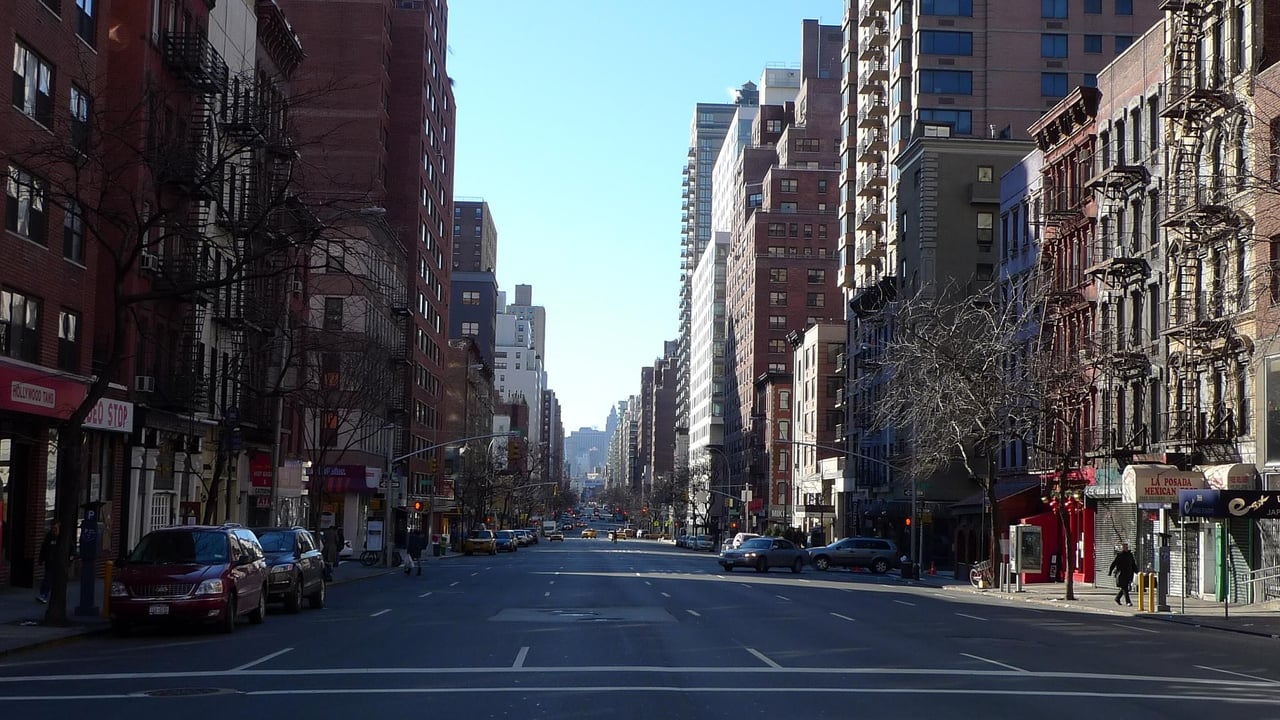
The blocks can be more architecturally mixed. Buildings are often smaller. The streetscape has less of the uniform grandeur found along portions of Central Park West or West End Avenue.
There is also a stronger connection to Morningside Heights and the northern edge of Central Park.
That creates a neighborhood identity somewhere between the traditional Upper West Side and the areas immediately north.
For buyers, this distinction can translate into opportunity.
Someone who begins a search focused on the West 70s or 80s may discover that moving north allows the budget to stretch further or provides access to a property type that would otherwise be difficult to afford.
The important point is not that Manhattan Valley is simply a cheaper Upper West Side.
It is a different micro-market with its own tradeoffs and advantages.
Walk-Ups Need to Be Evaluated Differently
Prewar walk-ups are an important part of Manhattan Valley’s housing stock, and 212 West 105th Street falls into that category.
Without an elevator or extensive building staff, the ownership experience can be simpler.
Monthly expenses may compare favorably with full-service properties, but buyers need to understand exactly what they are giving up.
Floor level becomes particularly important.
Higher floors may offer better light, privacy and less street noise, but stairs become part of daily life. Lower-floor apartments eliminate much of that inconvenience but can introduce different considerations around privacy, security, street noise and natural light.
A first-floor residence such as #1R therefore requires its own evaluation.
Buyers should pay attention to window placement, exposure, security, privacy, noise and the relationship between the apartment and any rear or common outdoor areas.
These practical details can matter far more than whether an apartment photographs well online.
What Buyers Should Compare
Buying in Manhattan Valley requires more than comparing asking prices.
For prewar apartments, buyers should evaluate layout efficiency, apartment condition, natural light, floor level, electrical capacity, plumbing, windows, heating, storage and renovation history.
The building deserves equal attention.
Buyers should review financial statements, reserves, insurance, maintenance history, recent assessments and planned capital projects. In older buildings, façade work, roofing, plumbing and common-area maintenance can become significant ownership expenses.
Monthly costs also need context.
A relatively inexpensive apartment with high maintenance may not represent better long-term value than a more expensive property with lower carrying costs.
Finally, buyers should compare location within Manhattan Valley itself: distance to the subway, Central Park, Morningside Park, Broadway retail and the streets they expect to use every day.
Why Local Market Knowledge Matters
Danielle Nazinitsky’s buyer-side transaction at 212 West 105th Street #1R adds Manhattan Valley to her experience representing buyers across different New York City property types and neighborhoods.
That matters because a Manhattan Valley search can require a different framework from a conventional Upper West Side search.
Buyers may be comparing a small prewar walk-up with a larger co-op, a condominium with an older rental conversion, or a property near Broadway with one closer to Central Park.
Those are not interchangeable choices.
Understanding how building type, block, condition, monthly costs and transportation affect value helps buyers recognize when moving a few streets north—or choosing a less amenity-heavy building—creates a worthwhile opportunity.
Buying in Manhattan Valley
Manhattan Valley offers many of the qualities that continue to draw buyers to the Upper West Side: prewar housing, strong transportation, neighborhood businesses and exceptional access to green space.
But it packages those qualities differently.
Smaller buildings and walk-ups sit alongside larger apartment properties. Central Park anchors the eastern side of the neighborhood while Morningside Park expands the outdoor options to the north. Broadway provides transportation and everyday convenience, while quieter residential blocks preserve much of the area's historic character.
Danielle Nazinitsky’s buyer-side transaction at 212 West 105th Street #1R demonstrates experience navigating that particular market.
For buyers willing to look beyond the most familiar sections of the Upper West Side, Manhattan Valley can offer something increasingly valuable in Manhattan: a chance to balance location, character and space while making the budget work harder.
The key is knowing what compromises create genuine value and which ones do not.