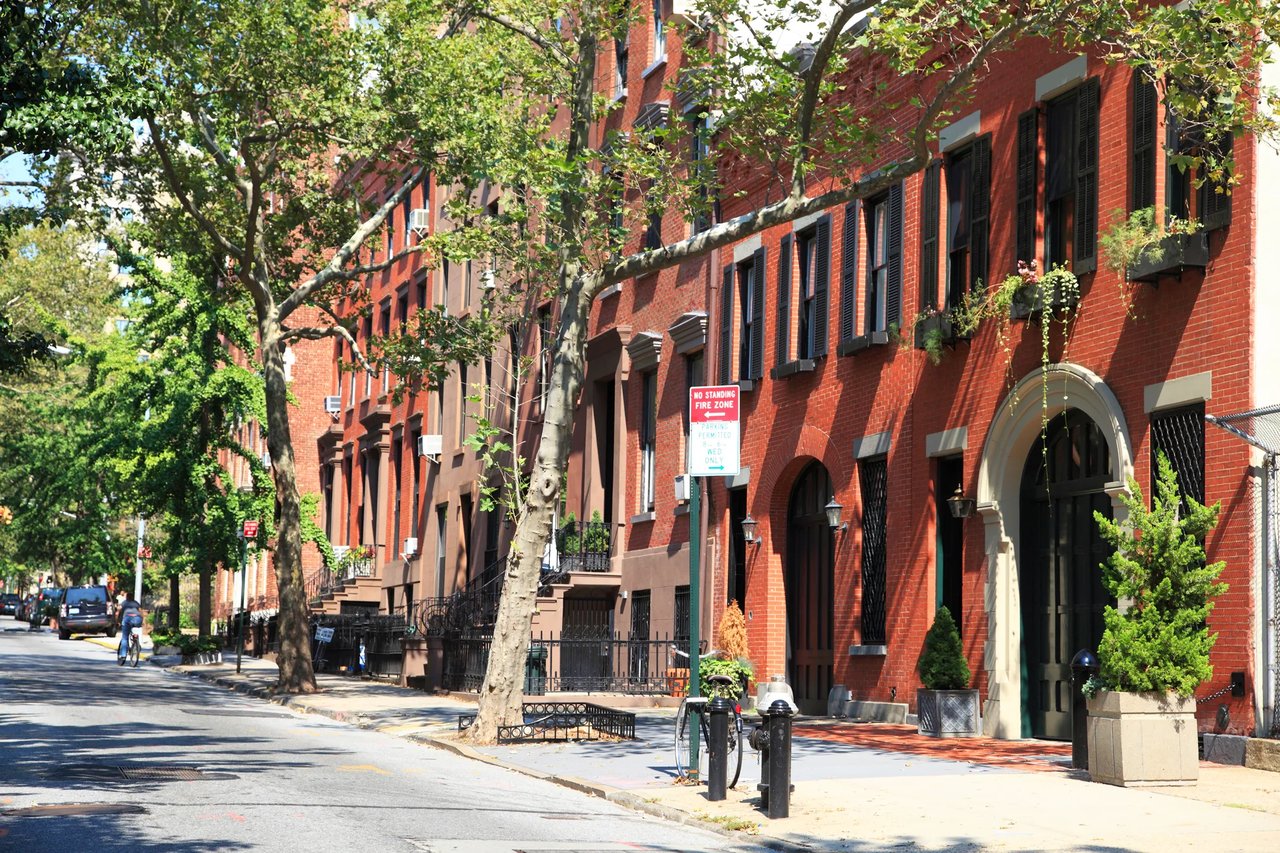
Brooklyn Heights offers a rare mix of preserved architecture and modern convenience. The neighborhood feels settled and steady, yet it adapts well to changing buyer expectations. Its mix of brownstones, prewar buildings, and newer developments attracts buyers seeking quiet streets close to key transit. The area works for long-term owners and new arrivals who want calm surroundings without leaving the city’s core.
Brooklyn Heights sits on high ground with clear views of Manhattan and the harbor. Many blocks remain landmarked, so change is carefully managed. This stability supports steady pricing and limited turnover. The neighborhood appeals to buyers who value discretion, privacy, and consistent long-term growth.
Housing Stock and Market Patterns
Brooklyn Heights offers a defined set of housing types. Inventory remains tight because most buildings are long-established. Buyers typically find strong demand for renovated homes that preserve original detail while adding modern systems.
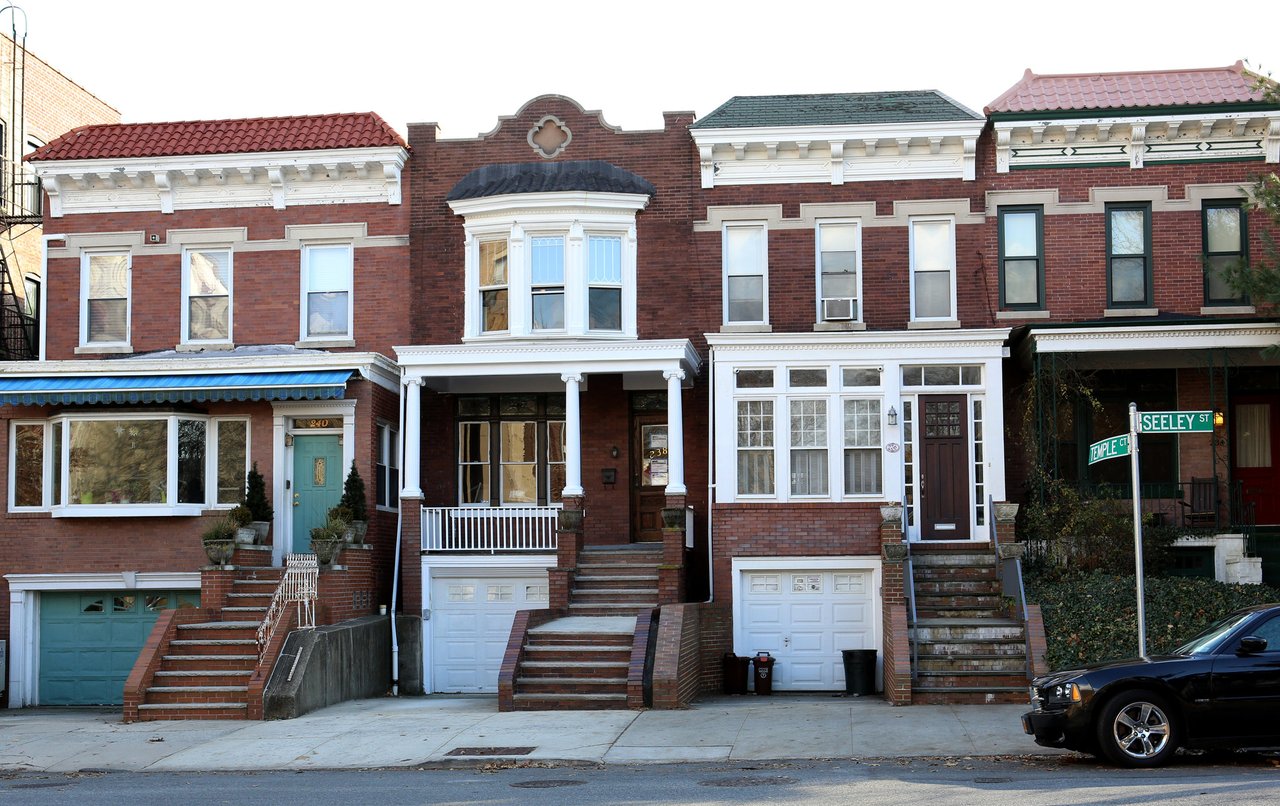
• Classic brownstones with well-kept facades
• Prewar elevator buildings with larger layouts
• Co-ops with stable ownership patterns
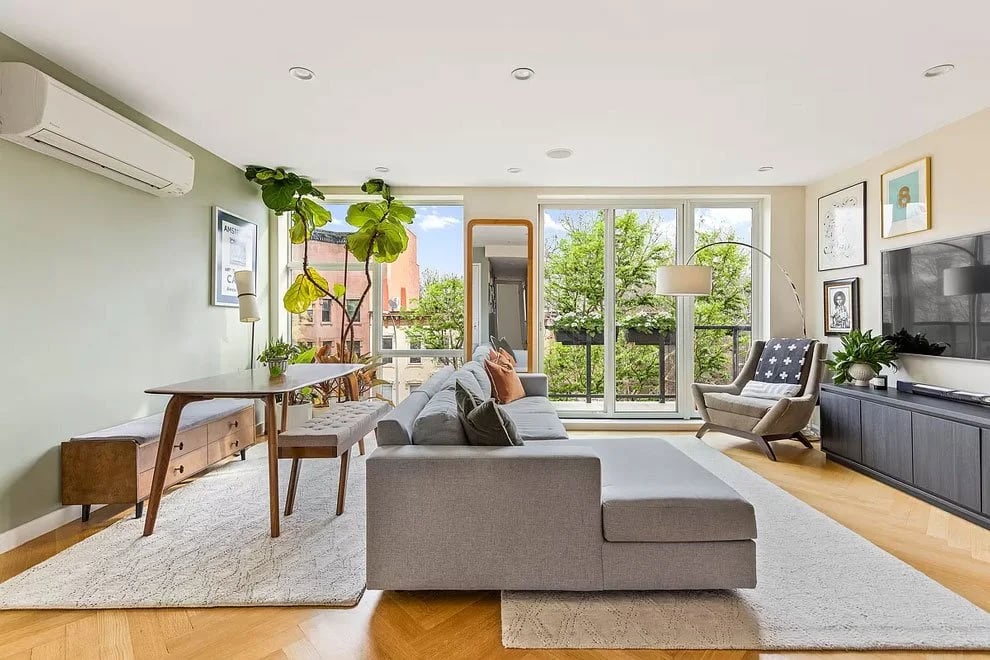
• Condominium conversions with updated finishes
• Limited new development focused on quality rather than scale
Pricing reflects scarcity. Homes near the Promenade command a premium because of protected views. Tree-lined blocks away from main corridors offer slightly lower prices but steady demand. Buyers often enter prepared for competition, especially for turnkey properties.
Lifestyle and Daily Rhythm
Brooklyn Heights moves at a calm pace with reliable services and understated retail. Residents enjoy small cafes, strong local schools, and quick subway access. The Promenade remains the neighborhood’s anchor, offering space to pause and observe the city without noise or crowding.
Many buyers choose Brooklyn Heights because it supports a consistent routine. It works well for remote workers, families, and long-term planners who want classic New York architecture without an intense pace. Local shops favor function over trend, which helps the area remain stable through market cycles.
In this context, some buyers compare nearby neighborhoods before making a decision. You can compare this to our Park Slope Guide at https://decodenyc.com/neighborhoods.
Who Moves to Brooklyn Heights Today
Recent buyers look for a balance of history and reliable services. Many come from Manhattan seeking more space without giving up transit access. Others move from within Brooklyn when they want quieter blocks and predictable pricing.
• Buyers relocating from downtown Manhattan
• Long-time renters ready for ownership
• Households needing larger layouts
• Professionals seeking short commutes
• Owners prioritizing long-term value
Interest in renovated homes with energy upgrades, well-planned kitchens, and strong natural light is rising. Inventory remains limited, so buyers often prepare early and watch the market for months.
Architecture and Streetscape
Landmarked blocks keep the neighborhood consistent. Brick and brownstone facades support a uniform look that appeals to buyers who value traditional design. Many buildings hold detailed cornices, stoops, shutters, and original ironwork. Interiors vary, but most owners preserve key elements.
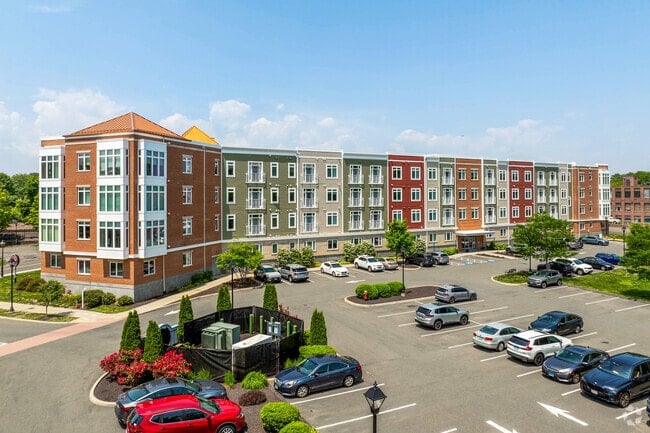
Modern condominiums appear in select areas, with careful attention to scale. These buildings offer elevators, amenities, and wider layouts. New development remains limited, so each project becomes part of a longer architectural story. For an example of how developments shape a neighborhood, see https://decodenyc.com/new-development.
Market Considerations for Buyers
Buying in Brooklyn Heights requires a clear timeline and strong preparation. Properties often receive early interest because turnover stays low. Many buildings have detailed co op boards, and timelines vary.
• Confirm building rules early
• Review financials with care
• Expect thorough board packages for co-ops
• Consider long-term plans because supply is limited
• Prepare for competition on renovated homes
Buyers attracted to the area are usually willing to accept slower inventory turnover in exchange for long-term stability. This rhythm supports measured decisions and encourages careful due diligence.
Local Character and Services
The neighborhood works well without constant change. Daily needs are close and predictable. Montague Street and Henry Street provide dining and retail with steady foot traffic. Grocery options, parks, and schools support long-term residents without major disruption.
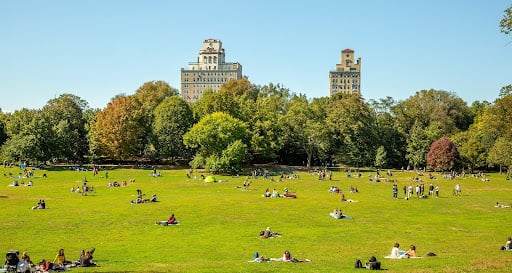
Brooklyn Bridge Park sits nearby with open lawns, paths, and access to the waterfront. Many residents balance quiet residential streets with active outdoor spaces only minutes away.
If you are comparing neighborhoods across the borough, you can also explore additional guides at https://decodenyc.com/blog.
At the End: What to Consider Before You Buy
Before choosing Brooklyn Heights, consider how the neighborhood aligns with your daily needs. The area supports calm routines, consistent architecture, and reliable services. Buyers who value long-term planning often find the neighborhood an intense match.
• Review recent sales to understand price continuity
• Confirm access to parks and transit from your block
• Consider renovation needs for older homes
• Check building rules and financial structure
• Think about long-term ownership goals
If you want guidance on buying in Brooklyn Heights, reach out anytime.