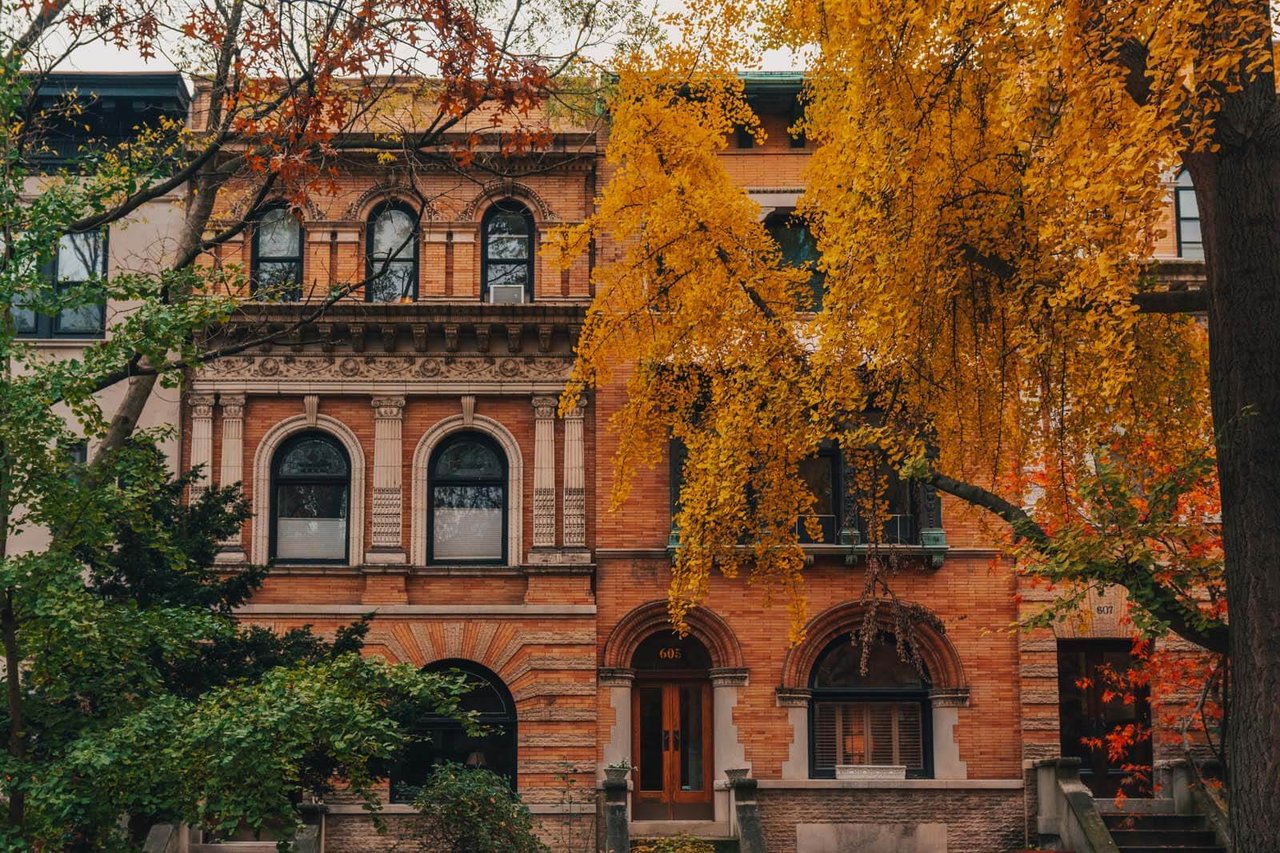
Park Slope has long attracted buyers who want historic architecture, quiet streets, and access to Prospect Park. The neighborhood offers a mix of brownstones, co-ops, and newer developments. Buyers also value the public school options and the residential feel that sets the area apart from busier Brooklyn enclaves.
This guide explains Park Slope’s housing patterns, school landscape, and block-by-block differences. It helps buyers understand where value forms and how to compare segments of this large neighborhood. You can compare this perspective with our Park Slope page at https://decodenyc.com/neighborhoods.
Housing Stock and Buyer Patterns
Park Slope’s brownstones define the neighborhood’s core identity. Many date to the late nineteenth century, with consistent facades and quiet tree-lined blocks. Demand for full brownstones remains strong because supply is limited and renovation choices vary.
The housing stock includes several formats:
• Classic brownstones, often with original details
• Smaller co-op buildings on wider avenues
• Condominiums near the park and along newer corridors
• Mixed townhouse rows where some homes are fully restored, and others need work
Price patterns depend on width, condition, and location. Wider brownstones near Prospect Park remain the highest tier. Buyers also pay a premium for properties with flexible layouts and modern mechanical upgrades. Renovation-ready homes still draw interest because some buyers prefer custom finishes. You can see how this compares to other Brooklyn areas in our neighborhood guides at https://decodenyc.com/neighborhoods.
Understanding the Park Slope Lifestyle
Park Slope appeals to buyers who want a slower pace within city limits. The area offers stable residential blocks, active local retail, and reliable transit access. Daily life centers on calm streets and the open space of Prospect Park.
Lifestyle points buyers often consider include:
• A consistent residential character with low noise levels
• Access to cafes, small bookstores, and long-running restaurants
• Community activities near Prospect Park
• Walkable avenues with local grocery options
Buyers value the ease of moving through the neighborhood. Families often choose homes near playgrounds or quieter cross streets, while other buyers focus on subway access. Both groups benefit from the neighborhood’s stability and strong maintenance culture.
School Landscape and How It Shapes Demand
Public schools influence buyer decisions across Park Slope. Several well-known elementary and middle schools are located in the neighborhood. Their stable reputations help maintain demand for specific blocks.
School considerations often include:
• Where school zones begin and end
• How distance to a school affects value
• Variation in programming among nearby options
Buyers should confirm zone maps early because boundaries shift over time. Private and independent schools add more choices, although these do not influence price patterns as directly. Many buyers also review after-school options and access to activities within Prospect Park.
The Best Blocks to Buy in Park Slope
Park Slope spans a large area, so block quality varies. Buyers often divide the neighborhood into North Slope, Center Slope, and South Slope. Each section offers different advantages.
North Slope
The North Slope features many of the neighborhood’s strongest blocks, with deep historic consistency and quick access to Prospect Park. Brownstones here often have wide stoops and preserved details. Streets between Fifth and Sixth Avenues tend to feel quieter while still close to retail corridors.
Center Slope
The Center Slope provides proximity to both the park and major avenues. Buyers often choose these blocks for balance. You see a mix of architectural conditions, with some modernized townhouses next to homes that need upgrades. This part of the neighborhood attracts buyers who prefer a central location without exorbitant prices.
South Slope
The South Slope has changed over the past decade, with more mixed housing and a broader range of price points. Buyers find smaller-scale buildings and varied townhouse rows. Some pockets offer strong value if you prefer quieter streets and access to local shops. Renovation opportunities remain more common in this area.
What Shapes Long-Term Value in Park Slope
Park Slope maintains steady demand because of its layout, transit access, and stable housing stock. Buyers often evaluate long-term value using consistent criteria. The following points tend to influence pricing across market cycles:
• Location relative to Prospect Park
• School zoning and access
• Condition and width of a townhouse
• Co-op or condominium rules
• Street noise and proximity to commercial corridors
Blocks with historic continuity often retain their appeal, even in shifting markets. New development activity remains limited, but some condominium projects add modern options. You can explore examples of this on our development pages at https://decodenyc.com/new-development.
If You Need Support While Reviewing Park Slope Options
If you want guidance on buying in Park Slope, reach out anytime.