In Chelsea, views are never an afterthought. They define how a home feels, moves, and connects to the surrounding neighborhood. With the High Line winding through the west side, glass and light become more than materials; they are the language through which a space expresses itself.
For homeowners, designers, and buyers alike, the challenge is simple yet profound: how do you create interiors that not only look at the view, but also live with it? The answer lies in the careful orchestration of glass, lighting, and reflection, the very elements that frame the art of urban living in Chelsea.
The Art of Framing the View
Chelsea’s architecture has always been defined by its relationship with light. From repurposed industrial lofts to the shimmering new glass towers lining the High Line, the way a building receives light often determines how it is perceived.
The most successful designs treat the view not as scenery, but as a design partner. They use glass to shape it, and lighting to sculpt it. Whether it’s the morning glow on the Hudson or the soft night illumination of the High Line below, light transforms static walls into living canvases.
Floor-to-Ceiling and Wall-to-Wall Glass
Few features have shaped Chelsea’s skyline more than the rise of floor-to-ceiling glass. These expanses of glazing transform architecture into a visual theater, offering residents a front-row seat to one of Manhattan’s most dynamic landscapes.
Why It Matters
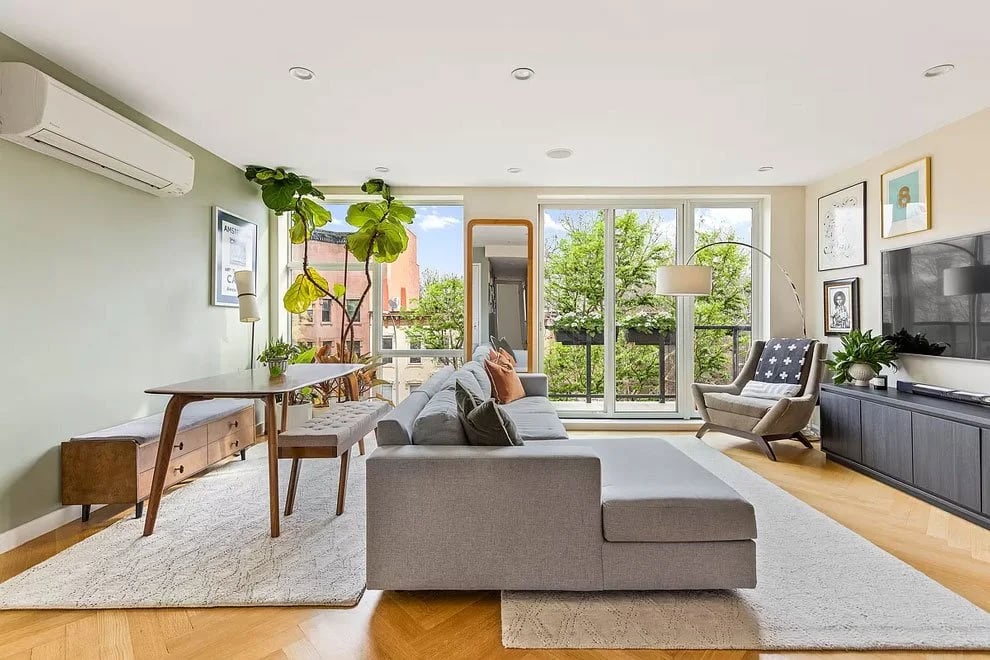
When glass takes over the façade, the view becomes the room’s main focal point. The boundaries between indoor and outdoor dissolve, creating a sense of openness that enhances both space and mood. Natural light floods in, making interiors feel larger, warmer, and more alive.
At the same time, the glass acts as a subtle mirror, reflecting the vibrancy of the city back into the home. On sunny afternoons, the Hudson glistens through west-facing windows; by evening, the city’s lights flicker like art installations just beyond the pane.
What to Look For
-
Opt for high-performance glazing that provides UV protection and energy efficiency.
-
Choose minimal frames to reduce visual interruptions and maximize transparency.
-
Consider the orientation of the space. West- and south-facing windows catch the strongest light, while north-facing ones offer softer, diffused illumination ideal for art or workspaces.
Architectural Orientation and Window Placement
The key to capturing the best High Line views is not only the amount of glass, but how it is placed. Many of Chelsea’s most celebrated buildings, from Heatherwick’s Lantern House to the HL23 tower by Neil Denari, use geometry and positioning to elevate how light enters a space.
Design Strategies That Work
-
Corner residences with dual exposure allow sunlight to move across the room throughout the day.
-
Slightly angled glazing can reduce glare while enhancing panoramic visibility.
-
Window groupings that extend across multiple planes create layered visual depth — so the eye doesn’t just look out, it travels through the scene.
The High Line Advantage
Because the High Line sits above street level, buildings along its path have a unique perspective. Architects orient windows to capture movement along the park while maintaining privacy. For residents, this creates a fascinating interplay of openness and intimacy: the city feels close yet serene.
The Role of Interior Lighting
If glass connects the home to its surroundings, lighting defines how that connection feels. Interior lighting shapes mood, focus, and atmosphere — and when done right, it elevates the experience of the view rather than competing with it.
Layered Illumination
The best lighting design uses layers. Ambient lighting sets the foundation, task lighting provides focus, and accent lighting creates drama. In a Chelsea condo overlooking the High Line, these layers should shift naturally with the day’s rhythm: bright mornings, soft afternoons, and warm, glowing evenings.
Designing for the View
Lighting near glass should be intentional and subtle. Avoid ceiling fixtures that cast reflections onto windows, which can obscure the view at night. Instead, opt for indirect illumination, such as wall washes, cove lights, and dimmable sconces, which preserve the visual balance between the interior and exterior.
Smart lighting systems make this seamless. With a single touch, residents can tune intensity and tone to match the time of day or the city’s energy outside their windows.
Materials, Reflection, and Light Balance
What happens inside a space directly affects how we perceive the outside. The materials that surround glass, such as walls, floors, and furniture, influence reflection, glare, and brightness. Great design manages all three so that nothing distracts from the view.
Choosing the Right Finishes
-
Matte surfaces reduce glare and reflection on glass panes.
-
Natural woods and warm tones gently absorb light, creating harmony with sunlight.
-
Neutral palettes allow exterior views to remain the visual highlight.
A polished marble countertop might sparkle beautifully in daylight, but it reflects too much light at sunset. Similarly, glossy wall finishes can double as mirrors once night falls, reducing transparency. Thoughtful materials keep the focus where it belongs: on the city outside.
Controlling Reflections
Use motorized shades or layered window treatments to control glare without sacrificing visibility. Sheer blinds filter daylight softly during midday hours, while blackout rollers maintain privacy after dark. Many Chelsea residences integrate these features into sleek, hidden coves — design solutions that protect both comfort and aesthetics.
Designing with the Sun’s Path
The beauty of living near the High Line is that no two hours of daylight are the same. The neighborhood’s west-facing orientation means long shadows, golden sunsets, and shifting tones of light that can transform a room’s mood entirely.
Morning to Evening Transitions
In the morning, eastern exposures near 10th Avenue glow with soft illumination ideal for calm, reflective spaces. By midafternoon, light moves westward, energizing open living areas and framing views of the park and river.
As evening sets in, Chelsea’s skyline becomes a gallery of lights. This is when lighting balance is most important: soft interior glow, controlled reflections, and an exterior panorama that feels cinematic.
Seasonal Dynamics
In winter, lower sun angles fill rooms with warm light deep into the day. Summer brings stronger sun and higher heat, making shading crucial for comfort. Automated blinds, low-emissivity glass, and interior dimmers help maintain a consistent temperature throughout the year.
Architects design Chelsea buildings with these seasonal patterns in mind, ensuring the experience of the view evolves with the calendar, not against it.
Case Studies: High Line Glass Masterpieces
Chelsea’s residential architecture offers some of the city’s best examples of how lighting and glass can enhance urban living.
Lantern House by Thomas Heatherwick
Lantern House, located just north of the High Line’s 18th Street stretch, draws inspiration from bay windows —those bulb-like glass forms that project outward. These curved panels amplify light from multiple directions, providing residents with a sense of immersion in both the sky and the city. From inside, they frame the view like art, turning the High Line into a living painting.
520 West 28th by Zaha Hadid
Few buildings express light and glass as sculpturally as Zaha Hadid’s 520 West 28th. Its interlocking curves and floor-to-ceiling glazing produce reflections that change with every passing hour. The result is not just transparency, but choreography, light, and architecture in conversation.
The Getty by Peter Marino
The Getty at 24th Street bridges art and architecture literally: it houses a gallery on the lower floors and residences above. Marino’s design maximizes daylight penetration, with museum-quality glazing that maintains color accuracy and visual depth. Inside, natural light becomes part of the artistic experience, connecting interiors to the rhythm of the city.
Integrating Technology with Design
The modern Chelsea residence utilizes technology not only for convenience but also for atmosphere. Smart lighting and glass innovations make it easier than ever to tune a space to the day’s conditions.
Smart Glass and Adaptive Light
Electrochromic or “smart” glass allows residents to adjust transparency with a switch or automatically through sensors. This eliminates the need for heavy shades while maintaining comfort and privacy.
Smart lighting systems sync with circadian rhythms, adjusting color temperature to mimic natural light. Morning light feels crisp and cool, evening light turns soft and golden — perfectly harmonized with the glow from the High Line below.
Automation for Lifestyle
From integrated shade controls to lighting presets for dinner parties or sunset viewing, technology makes lighting design fluid and personal. For many Chelsea buyers, these features are not luxuries but essentials that heighten both comfort and connection to the environment.
Buying with the View in Mind
For buyers exploring West Chelsea, the view is more than a luxury; it’s a financial and emotional asset. Understanding how a building uses glass and light can make all the difference between a good apartment and an exceptional one.
What to Ask Before You Buy
-
How does the orientation affect daily sunlight exposure?
-
What type of glass is installed single, double, or low-emissivity glazing?
-
Does the lighting plan complement or compete with the window layout?
-
How have nearby buildings been positioned, and will they impact light or view over time?
Working with a knowledgeable agent means analyzing these design variables in context, not just for livability, but for long-term value. Properties that integrate natural light effectively tend to maintain higher resale premiums, especially in Chelsea’s view-driven market.
Creating Emotional Resonance Through Light
Ultimately, lighting and glass are about more than visibility. They are about how a home feels the intimacy of morning light across the floor, the drama of sunset over the Hudson, the quiet reflection of city lights at night.
Chelsea offers a canvas where architecture and atmosphere meet in perfect balance. Every window tells a story, every reflection adds a layer of meaning. When crafted with care, that story becomes timeless, a blend of design and emotion that elevates urban living into art.
Make Your Move with Decode NYC
Light is the invisible architecture of Chelsea. It defines space, mood, and value in ways that blueprints cannot capture. Understanding how glass and lighting transform a home is crucial for selecting the right property, one that resonates both aesthetically and emotionally.
At Decode Real Estate, we specialize in helping buyers see what others overlook: the interplay of light, design, and lifestyle that defines Chelsea’s most extraordinary homes.
Ready to find your light along the High Line? Schedule your consultation with Decode Real Estate, and let’s illuminate your next move.