Choosing the right real estate agent in New York City can make a major difference when buying or selling property. The NYC housing market is one of the most complex and competitive in the country. Prices vary by neighborhood, properties move quickly, and many transactions involve co-ops, condos, or townhouses with different rules.
A top real estate agent helps buyers find the right home and helps sellers attract strong offers. They guide clients through negotiations, building requirements, and closing timelines that are unique to New York City.
This article explains what separates an average agent from a top-performing one in NYC. Readers will learn how experience, market knowledge, negotiation skills, and brokerage support influence real estate success in Manhattan, Brooklyn, and other boroughs.
Deep Knowledge of the NYC Market
A top real estate agent understands the details of the New York City housing market. Every borough and neighborhood has different pricing trends, buyer demand, and building types.
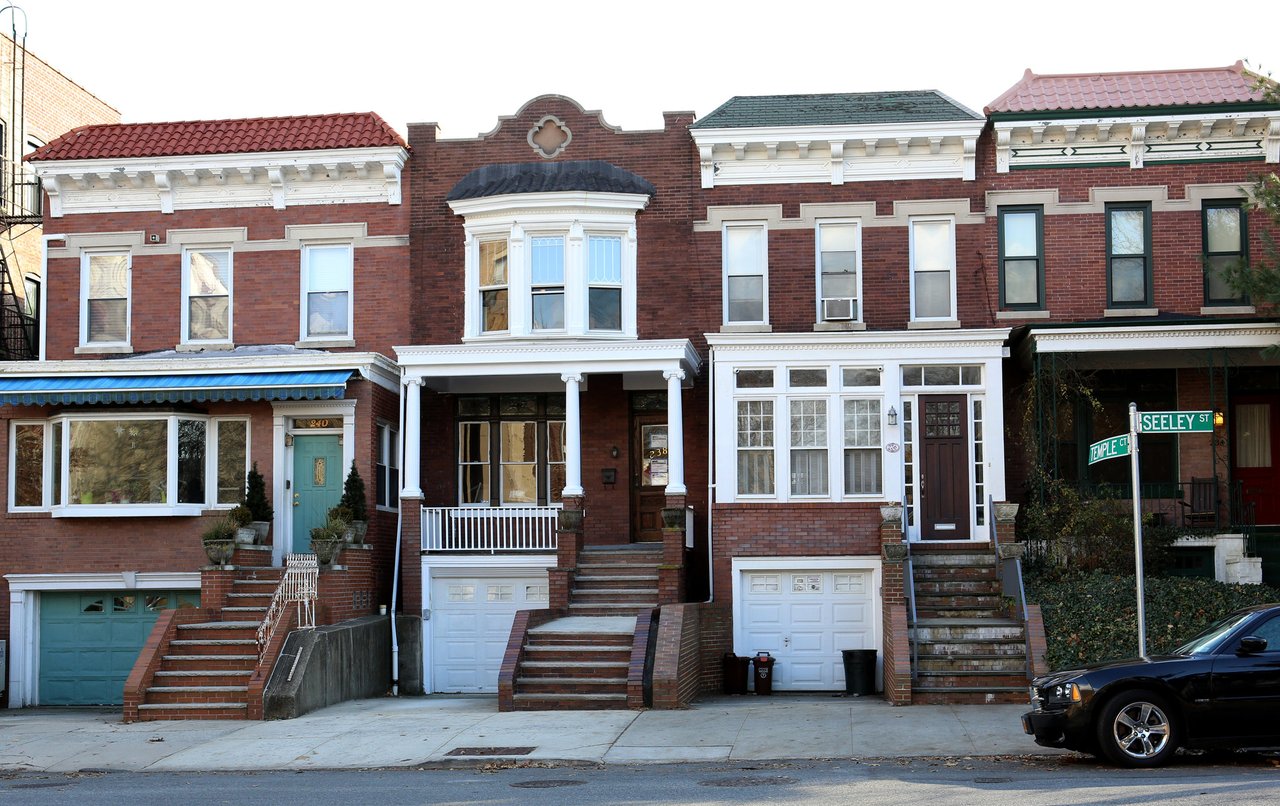
For example, Manhattan often has more co-op buildings with strict board approval processes. Brooklyn has a mix of brownstones, condos, and newer developments that attract different types of buyers.
Experienced agents know:
-
Typical price ranges by neighborhood
-
Which buildings allow financing or pied-à-terre purchases
-
Local inventory trends and seasonal patterns
This knowledge helps buyers make realistic offers and helps sellers price their homes correctly from the start.
Agents who work actively in specific neighborhoods also know how local demand affects competition. A well-informed agent can explain why two similar apartments might sell at different prices depending on building policies or location.
Strong Transaction Experience
Experience is one of the clearest indicators of a top NYC real estate agent. Agents who regularly close deals understand how to manage the many moving parts of a transaction.
In New York City, a typical transaction can involve:
-
Attorneys reviewing contracts
-
Building board approvals
-
Appraisals and financing requirements
-
Managing multiple competing offers
Agents who handle transactions often are better prepared for unexpected issues. They know how to keep deals moving forward while protecting their clients’ interests.
Buyers benefit from agents who understand how to structure competitive offers. Sellers benefit from agents who know how to manage multiple bids and choose the strongest one.
Transaction experience also improves problem solving. A skilled agent can identify potential delays early and work with attorneys, lenders, and building management to keep the process on track.
Negotiation Skills in Competitive Markets
Negotiation is one of the most valuable skills a real estate agent can offer in New York City. In competitive markets, properties often receive multiple offers within days of listing.
A top agent knows how to position an offer so it stands out. They understand how price, closing timelines, financing terms, and contingencies influence a seller’s decision.
For buyers, this might mean:
-
Structuring a clean offer with fewer contingencies
-
Adjusting closing timelines to match seller needs
-
Demonstrating strong financial qualifications
For sellers, negotiation involves reviewing offers carefully and identifying the strongest buyer, not just the highest price.
Experienced agents also understand bidding strategies. They know when to push for stronger offers and when to secure a deal quickly.
In competitive Manhattan and Brooklyn markets, these negotiation skills can make the difference between winning and losing a property.
Effective Marketing and Listing Strategy
Top real estate agents understand how to market properties effectively. In a city as competitive as New York, strong marketing can significantly influence buyer interest.
A good listing strategy includes professional photography, accurate property descriptions, and targeted exposure to qualified buyers.
Key elements of a strong marketing plan include:
-
High-quality listing photos
-
Well-written property descriptions
-
Online exposure through major real estate platforms
-
Broker network promotion
Experienced agents also know how to position a property based on the target buyer. For example, a Manhattan condo might attract international buyers, while a Brooklyn brownstone may appeal to families seeking more space.
Timing also matters. Launching a listing at the right moment can increase visibility and encourage multiple offers.
Understanding Co-ops, Condos, and NYC Rules
New York City real estate is unique because many buildings operate under strict policies. Co-op buildings, which are common in Manhattan, require board approval for most buyers.
A top agent understands these differences and prepares clients accordingly.
For example, co-op purchases often require:
-
Detailed financial disclosures
-
Personal reference letters
-
Board interview preparation
Condos usually have fewer restrictions but may still involve building application processes and review periods.
An experienced agent helps buyers prepare complete applications that meet building requirements. This reduces the chance of delays or rejections during the approval process.
For sellers, an agent who understands these rules can also help screen buyers before accepting offers.
Brokerage Support and Professional Network
A strong real estate agent often works within a brokerage that provides resources and support. While individual skill matters most, brokerage infrastructure can enhance the overall process.
Brokerages may provide:
-
Marketing tools and listing exposure
-
Administrative support
-
Legal guidance for complex transactions
-
Professional networks with attorneys and lenders
These resources help agents focus more on serving clients and managing negotiations.
However, the size of the brokerage is not always the most important factor. Some boutique firms offer highly personalized service, while larger firms may provide broader marketing reach.
The most important factor is how effectively the agent uses the tools available to them.
How Buyers and Sellers Can Evaluate Agents
Choosing the right agent requires careful evaluation. Buyers and sellers should look beyond marketing claims and focus on practical indicators of performance.
Important questions to ask an agent include:
-
How many NYC transactions have you completed recently?
-
Which neighborhoods do you specialize in?
-
What is your strategy for pricing and marketing a property?
-
How do you handle competitive offer situations?
Other signs of a strong agent include:
-
Clear communication
-
Honest market guidance
-
Knowledge of building policies
-
Ability to explain each step of the process
Buyers should avoid agents who rush decisions or cannot clearly explain how offers are structured. Sellers should avoid unrealistic pricing promises designed only to win listings. A professional agent prioritizes realistic expectations and long-term results.
Platforms that analyze agent performance and brokerage structure can also help buyers and sellers understand how different firms operate. Resources like DecodeNYC often provide useful insights into the local real estate landscape.
Frequently Asked Questions
How do I know if a real estate agent is experienced in NYC?
Look at their transaction history and neighborhood focus. Agents who regularly close deals in Manhattan or Brooklyn typically understand the local market better. Experience with co-ops and condos is especially important.
Do top NYC agents always work at large brokerages?
Not necessarily. Some top agents work at boutique firms while others work at large international brokerages. The agent’s experience, network, and negotiation skills usually matter more than brokerage size.
What questions should I ask before hiring a real estate agent?
Ask about recent transactions, marketing strategies, and negotiation approach. Also ask how they handle competitive bidding situations and building board requirements.
Why are NYC real estate transactions so complex?
Many NYC properties involve co-op boards, building rules, and attorney review. Financing requirements and closing timelines can also vary depending on the property type.
Making Smart NYC Agent Decisions
Choosing the right real estate agent in New York City requires careful research and clear expectations. The best agents combine market knowledge, transaction experience, and strong negotiation skills to guide clients through complex deals.
Buyers benefit from agents who understand neighborhood pricing, building policies, and competitive bidding strategies. Sellers benefit from agents who know how to price properties correctly and market them to qualified buyers.
Evaluating an agent’s experience, communication style, and recent transactions can help buyers and sellers make confident decisions. Platforms like DecodeNYC also provide valuable insights into how NYC brokerages operate and how to identify professionals who understand the city’s unique real estate market.