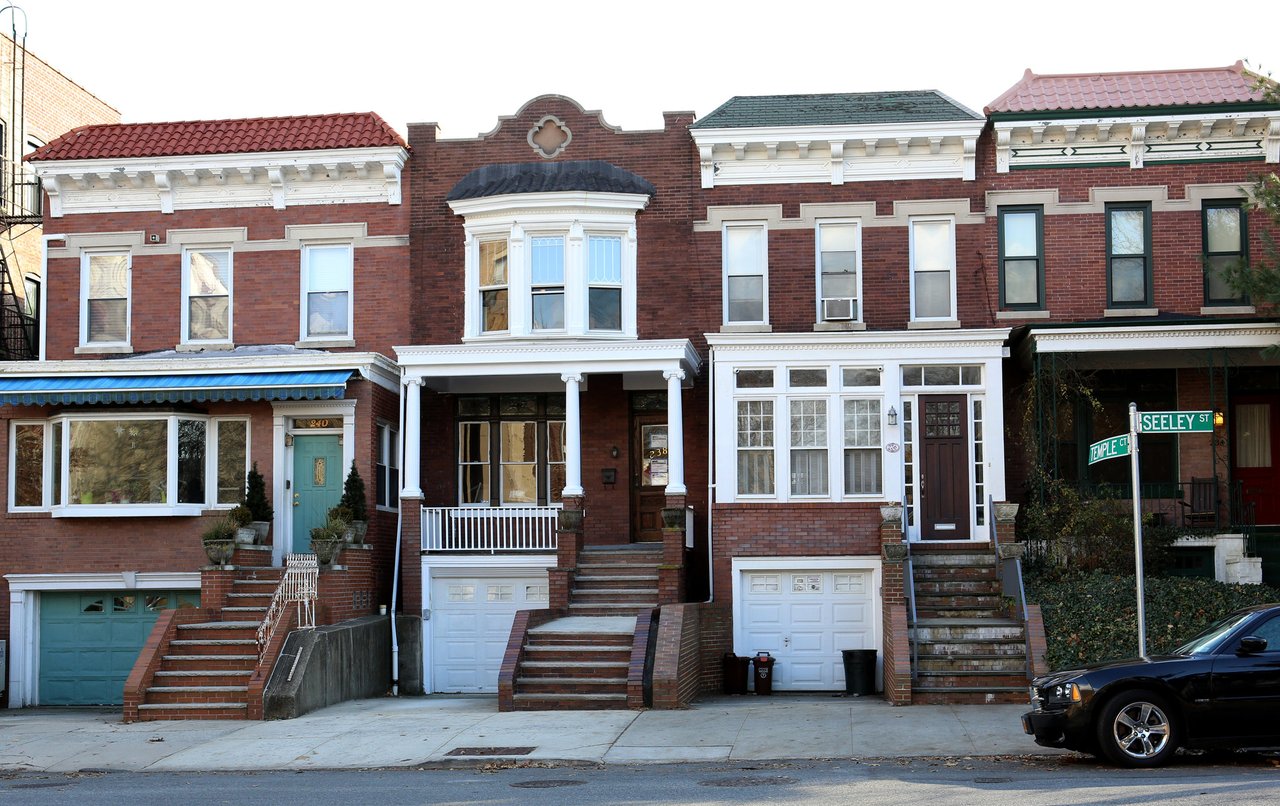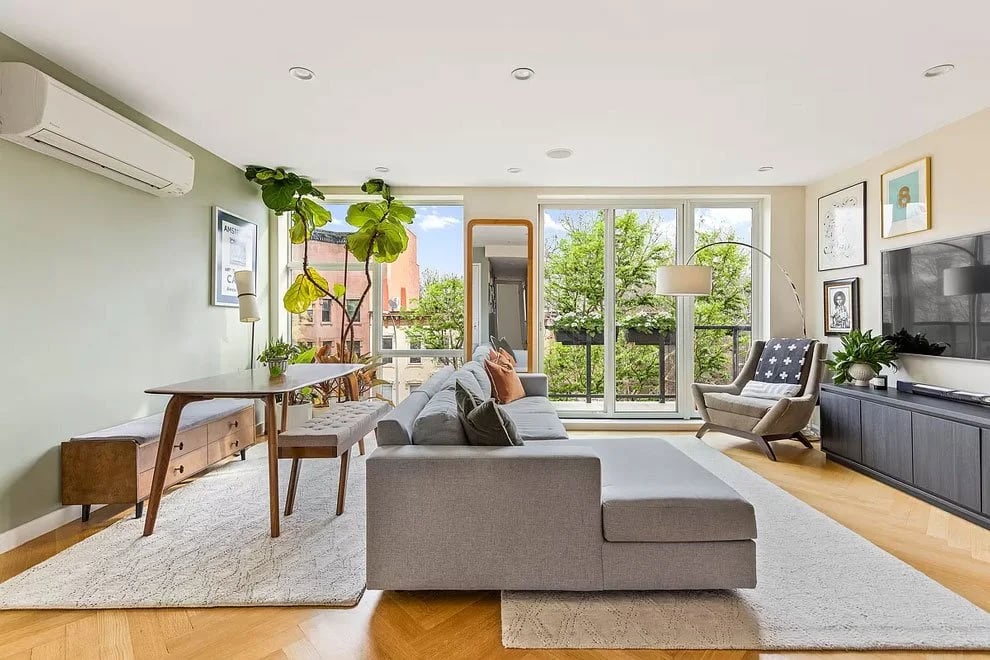
NoHo has some of the most visually interesting apartments in New York City. Cast-iron architecture, oversized windows, exposed columns, wide plank floors, unusual layouts, and dramatic ceiling heights all create the feeling sellers love.
That is also where the problem starts.
Many NoHo sellers assume that a loft’s character is enough to carry the sale. They believe buyers will walk in, understand the space, and pay for the potential. In practice, high-value buyers rarely do that work for the seller.
In a market with limited inventory and limited comparable sales, presentation is not cosmetic. It is a pricing strategy.
The Misconception
The common belief is simple: “This loft is cool, so it will sell itself.”
That thinking is understandable in NoHo. Many apartments here are not ordinary condos. They have history, scale, texture, and architecture that cannot be copied in a new development tower.
But buyers are not only buying character. They are buying confidence.
An unstaged loft may feel authentic to the owner, but to a buyer, it can feel unresolved. The rooms may look too large, too narrow, too dark, too personal, or too undefined. A seller sees soul. A buyer sees questions.
That gap can cost real money.
What Actually Happens in NoHo
NoHo buyers are sophisticated, but they are not always as imaginative as sellers expect.
A buyer may understand downtown Manhattan. They may know the difference between a boutique building, a loft conversion, a co-op, and a full-service condo. They may even appreciate original details. Still, when they walk into a $3M to $10M property, they expect the space to explain itself quickly.
This matters more in NoHo because many apartments have complex floor plans. A loft may have open volume, but poor furniture placement can make it feel awkward. A long wall may be a design asset, but without scale, it can look empty. A flexible room may be useful, but without a clear function, it can feel like wasted square footage.
Low inventory does not remove buyer judgment. It sharpens it.
When buyers have few options, they study each one harder. They compare a NoHo loft to a polished condo in SoHo, a new-development unit nearby, or a prewar co-op with stronger room definition. Even if the NoHo loft has better long-term character, weak presentation can make it feel like the less finished choice.
Why This Impacts Your Sale
Unstaged lofts usually create three problems: price resistance, slower movement, and weaker negotiation leverage.
-
Buyers discount uncertainty. If they cannot understand where the dining area goes, how the living room should be arranged, or whether the primary bedroom feels private enough, they begin to mentally subtract value.
-
A weak presentation hurts the first week. In NoHo, the first launch window matters because serious buyers, brokers, and investors quickly notice new inventory. If the listing photos do not create urgency, the property can lose momentum before the strongest buyers ever engage deeply.
-
Negotiation becomes harder. A buyer who sees flaws has language to push back. They can question layout, renovation needs, lighting, flow, or utility. Some objections may not be fair, but they become leverage once the space appears unresolved.
The issue is not whether staging makes a loft “pretty.” The issue is whether the buyer can see a reason to act.
The Decode NYC Approach
The Decode NYC approach starts before staging. It begins with reading the asset correctly.
Not every NoHo loft should be presented the same way. A dramatic artist-style loft, a quiet boutique condo, a converted manufacturing space, and a polished new development resale each need a different market narrative.
The first step is identifying what the buyer must understand immediately. Is the value in scale? Light? Rarity? Bedroom flexibility? Entertaining space? Architectural detail? Privacy? Building quality? A typical agent may stage the apartment to look nice. That is not enough.
The goal is to stage the argument for value.
In a NoHo loft, that may mean defining zones without making the space feel smaller. It may mean using furniture scale to prove the room can hold real living, not just design objects. It may mean softening raw architecture so the apartment feels livable, not theatrical. It may mean showing how a difficult corner becomes a library, office, or dining moment.
This is where strategy separates itself from decoration.
Decode NYC looks at the likely buyer pool and builds the presentation around that buyer’s hesitation. If the likely buyer is moving from a West Village townhouse, the loft must feel refined and functional. If the buyer is comparing against new development, the loft must show warmth, volume, and uniqueness without feeling unfinished. If the buyer is an investor, the space must feel liquid, rentable, and broadly understood.
Strong staging also supports pricing when there are limited comps. In NoHo, recent sales may not line up cleanly. One building may have a doorman. Another may be a co-op. One loft may have legal bedroom count issues. Another may have outdoor space. Because of that, the listing has to create its own case.
Presentation helps buyers accept the price before they begin questioning it.
Where Sellers Get It Wrong
They confuse personal taste with market clarity
A seller may love the way they live in the space. That does not mean the market will read it correctly.
Personal collections, oversized furniture, under-furnished rooms, or overly specific design choices can distract from the apartment’s strongest qualities. In NoHo, where buyers are paying for both architecture and lifestyle, the space needs to feel intentional without feeling overly personal.
The cost is simple: buyers remember the owner’s taste instead of the property’s value.
They leave too much open space undefined
Open space is one of the great strengths of a loft. It is also one of the easiest things to mishandle.
An empty or loosely furnished loft can make square footage feel abstract. Buyers may struggle to understand how the apartment lives day to day. A large room without zones can feel less useful than a smaller room with purpose.
The cost is reduced confidence. And reduced confidence often turns into lower offers.
They assume character replaces condition
Original floors, exposed brick, beams, columns, and unusual windows can all add value. But they do not excuse weak lighting, tired paint, poor flow, or unresolved room planning.
NoHo buyers may appreciate imperfection, but they still expect control. They want a space with character, not a project that feels unmanaged.
The cost is that buyers start pricing in work, even when the work is modest.
They launch before the story is clear
Some sellers rush to market because inventory is low. That can be a mistake.
Low inventory helps only when the listing arrives with strength. If the first impression is unclear, the market does not always give a second chance. Buyers who pass in week one rarely return with more urgency later.
The cost is time. And in luxury real estate, time usually weakens leverage.
Strategic Takeaway
In NoHo, “cool” is not a sales strategy.
A loft can have rare architecture, strong location, and real long-term value, but still underperform if buyers cannot understand the space quickly. The job is not to remove the loft’s character. The job is to frame it so the market sees value, function, and scarcity at the same time.
For serious sellers, staging is not about furniture. It is about controlling perception before buyers create their own discount.
Sellers in NoHo who want a more controlled, strategic approach to pricing and launch tend to approach this differently.