In New York City real estate, the name of a brokerage firm often receives a lot of attention. Buyers and sellers frequently assume that larger companies with recognizable brands offer better service or stronger results. In reality, the reputation and experience of the individual agent often play a far bigger role in how successful a transaction becomes.
NYC is one of the most competitive housing markets in the world. Manhattan and Brooklyn properties involve complex negotiations, co-op board approvals, and high financial stakes. Because of this, the credibility and track record of the agent representing a property can influence pricing strategy, buyer interest, and negotiation outcomes.
Understanding how reputation works within the brokerage industry helps buyers and sellers make better decisions when choosing representation. This article explains why agent reputation can matter more than brokerage size in New York City real estate.
How Reputation Shapes Trust in NYC Real Estate
In New York City real estate, reputation functions as a form of professional credibility. Agents build their reputation over time through successful transactions, strong negotiation skills, and consistent client communication.
When a respected agent lists a property, other agents in the market often pay close attention. Buyers’ agents may be more confident that the pricing strategy is realistic or that negotiations will be handled professionally. This can lead to smoother transactions and stronger offers.
Reputation also matters with property owners. Sellers often rely on agents with a proven history of selling similar homes in the neighborhood. In areas like SoHo, Chelsea, or Park Slope, agents who consistently work in those markets build relationships and local knowledge that can influence pricing strategy and buyer interest.
Brokerage Size vs Individual Agent Performance
Large real estate companies in New York City often employ hundreds or even thousands of agents. These firms typically have strong marketing resources, well known brand recognition, and large networks.
However, brokerage size does not guarantee that every agent within the firm performs at the same level. In many cases, only a portion of agents handle a high number of transactions each year. Others may complete only a few deals annually.
Boutique brokerages tend to operate differently. Many smaller firms focus on maintaining a limited number of agents who handle consistent sales volume. Because the teams are smaller, agents may receive more direct collaboration and internal support.
For buyers and sellers, the key takeaway is simple. The success of a real estate transaction usually depends more on the specific agent working on the deal than the size of the company they represent.
How Reputation Influences Negotiation Outcomes
Negotiation is one of the most important aspects of any real estate transaction. In NYC, where properties often receive multiple offers or complex contract terms, experienced negotiators can make a meaningful difference in the final result.
Agents with strong reputations often have established relationships with other professionals in the market. When two experienced agents negotiate with each other, the process can be more efficient because both sides understand how the other approaches deals.
Reputation can also affect how offers are evaluated. A listing agent may feel more confident accepting an offer from a buyer represented by an agent known for completing transactions successfully. In competitive Manhattan listings, this can influence which offers sellers ultimately choose to pursue.
These dynamics demonstrate how the professional standing of an agent can shape outcomes in ways that brokerage branding alone cannot.
Marketing Quality and Listing Strategy
Marketing strategy is another area where agent reputation often matters more than brokerage size. While large firms may provide marketing tools and platforms, the effectiveness of a listing campaign depends heavily on the agent managing the property.
Experienced agents understand how to position a listing correctly within the NYC market. This includes determining an appropriate pricing strategy, creating compelling listing presentations, and targeting the right group of buyers.
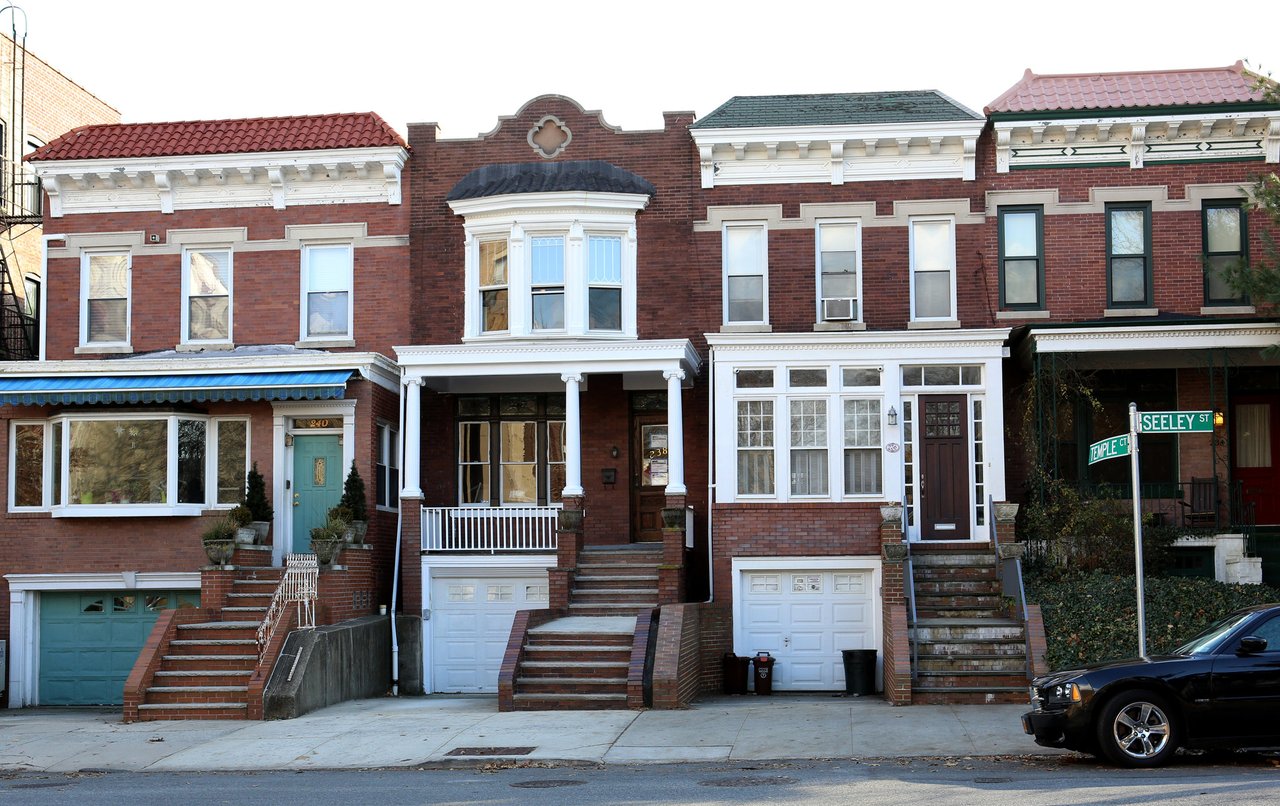
For example, selling a Manhattan co-op may require a different marketing approach than listing a Brooklyn townhouse. Agents familiar with specific property types know how to highlight the features that matter most to potential buyers.
Well known agents also tend to have strong networks of past clients, local brokers, and investors. These networks can generate interest in listings before they even appear publicly, which sometimes leads to off market opportunities or faster sales.
Brokerage Culture and Agent Accountability
Another factor influencing reputation is brokerage culture. Different firms structure their teams and recruiting strategies in different ways.
Some brokerages focus on rapid growth by recruiting large numbers of agents. Others take a more selective approach and prioritize agents who maintain consistent production levels.
In firms where most agents are actively closing deals, reputation often becomes a central part of the company’s identity. Agents depend on their professional standing to win listings and build long term client relationships.
For buyers and sellers, brokerage culture can affect the level of accountability within the organization. Firms that prioritize agent experience and transaction quality may create an environment where reputation plays a stronger role in maintaining standards.
Practical Factors When Choosing an Agent
For buyers and sellers navigating the NYC market, focusing on the right factors can make a major difference.
Important things to consider when choosing an agent include:
-
Experience with similar property types
-
Knowledge of the neighborhood market
-
Number of transactions completed recently
-
Negotiation experience in competitive deals
-
Understanding of co-op board approval processes
-
Professional reputation among other agents
These elements often provide better insight into an agent’s effectiveness than the size of their brokerage.
Questions Buyers and Sellers Should Ask
Before choosing a real estate agent in New York City, it helps to ask a few key questions.
-
How many homes do you sell each year?
-
What neighborhoods do you work in most often?
-
What types of properties do you specialize in?
-
How do you approach pricing and negotiation?
-
What marketing strategy do you use for listings?
These questions help buyers and sellers evaluate the experience and reputation of the agent who will be representing them.
How Reputation Impacts Real Transactions
Reputation affects many aspects of real estate deals that buyers and sellers may not immediately see.
Pricing strategies often benefit from the experience of agents who understand how similar homes have sold recently. Accurate pricing helps attract serious buyers and reduce time on the market.
Client communication is another factor shaped by reputation. Agents who consistently handle transactions develop systems for keeping clients informed during negotiations, inspections, and closing steps.
Transaction success rates also improve when experienced agents guide deals through challenges. In NYC, issues such as co-op board reviews, financing approvals, and contract negotiations require careful management. Agents with strong reputations often have the experience needed to navigate these complexities effectively.
Frequently Asked Questions
Are boutique real estate brokerages better?
Not necessarily. Boutique firms and large brokerages can both provide strong service. The experience and reputation of the individual agent usually matter more than the size of the firm.
Do large brokerages have more resources?
Large companies often offer marketing platforms and larger internal networks. However, the effectiveness of those resources still depends on how actively an agent uses them.
How important is agent experience in NYC real estate?
Experience can be very important in New York City because transactions often involve co-op boards, competitive offers, and complex negotiations. Agents with strong track records often navigate these situations more smoothly.
Should buyers choose an agent based on brokerage size?
Brokerage size can provide context, but it should not be the primary factor. Buyers and sellers usually benefit more from choosing an agent with strong local experience and a solid reputation.
Why Agent Reputation Often Matters More
In the New York City real estate market, brokerage size does not always determine the quality of service buyers and sellers receive. Individual agents drive most aspects of a transaction, including pricing strategy, negotiations, marketing, and client communication.
Agents with strong reputations often develop them through years of successful transactions, deep neighborhood knowledge, and consistent professional relationships within the industry. These factors can influence how listings perform and how smoothly deals move toward closing.
DecodeNYC helps buyers and sellers understand how the New York City real estate industry works. The platform explains brokerage structures, agent experience, pricing strategies, and negotiation dynamics across Manhattan and Brooklyn.