Buying property in New York City as a foreigner is a significant yet rewarding undertaking. With one of the world’s most stable and high-performing real estate markets, NYC continues to attract international buyers from Europe, Asia, the Middle East, and beyond. However, the process can be complex and very different from how things work back home.
This comprehensive guide walks you through every phase, enabling you to purchase with confidence and clarity.
Understanding the NYC Real Estate Market
Before diving into listings and legal paperwork, it is essential to grasp how the New York City market operates. From pricing dynamics to building types, NYC's system is unique and requires local knowledge.
How NYC’s Market Differs from Other Global Cities
Unlike many other international cities, NYC has a high level of transparency but also strict building rules and property classifications. Apartments are not always sold outright. In co-op buildings, you’re buying shares in a corporation rather than real estate itself. Condo units, on the other hand, resemble traditional ownership.
Property Types: Condos, Co-ops, and Townhouses
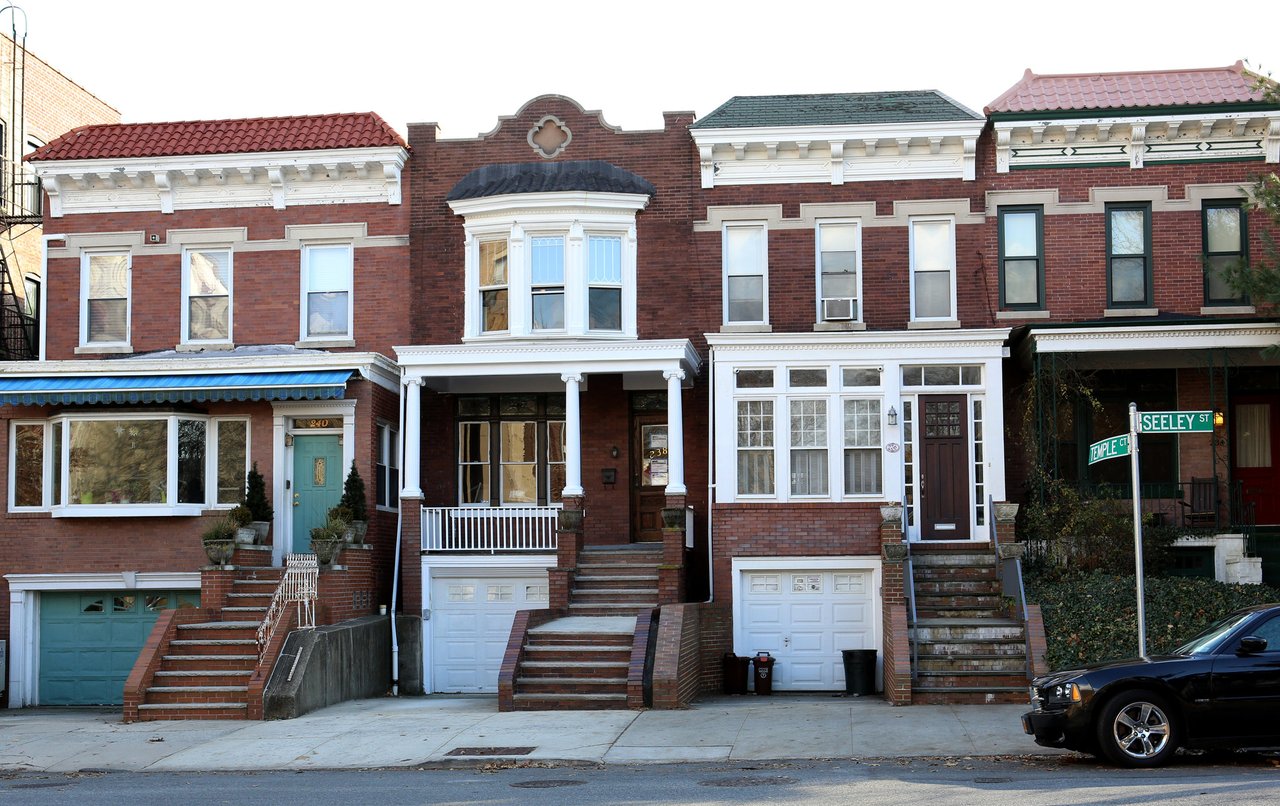
Co-ops make up about 70 percent of the NYC apartment market, especially in older Manhattan neighborhoods. While more affordable, they are often restrictive for foreign buyers due to board approval requirements and subletting rules. Condominiums are more flexible, allowing pied-à-terre use and foreign ownership. Townhouses are standalone properties that offer full ownership and independence, but often at a higher cost.
Pricing Trends and Foreign Buyer Demand
Foreign demand for NYC property has steadily increased over the years. In 2025, demand from European and Middle Eastern investors surged, driven by favorable exchange rates. The median price for a Manhattan condo currently exceeds $1.1 million, with luxury new developments often starting at $3 million and rising quickly.
Preparing for the Purchase Process
Getting organized ahead of time will help you avoid delays, misunderstandings, and legal pitfalls. This stage is all about planning your budget, understanding your goals, and assembling the right team of experts.
Setting Clear Investment Goals
Are you buying a home to live in while working in New York? Are you investing in a rental unit? Or are you purchasing a second home for vacations and future resale value? These choices affect everything from financing to legal structure to property selection.
Establishing a Purchase Budget
When planning a budget, consider more than just the purchase price. Include closing costs, taxes, legal fees, maintenance charges, and, if relevant, currency conversion expenses. Expect to spend an additional 2-5% of the purchase price on transaction-related costs.
Forming Your Real Estate Team
A successful foreign purchase starts with choosing the right local professionals. You will need a real estate broker, a real estate attorney, a mortgage broker (if financing is involved), and potentially a tax advisor. Select experts who have experience working with international clients and understand the complexities of cross-border transactions.
Legal Structures and Ownership Options
Foreign buyers have the flexibility to purchase NYC real estate in several ways. How you hold the title to the property has significant legal, tax, and estate implications that must be carefully considered.
Purchasing in Your Own Name
The simplest way to own real estate is in your personal name. However, this exposes you to U.S. estate tax liabilities. If the property value exceeds $60,000 at death, the IRS may impose significant estate taxes on non-resident aliens.
Creating an LLC or Corporation
To limit exposure and enhance privacy, many international buyers use a U.S.-based limited liability company (LLC) to purchase real estate. This adds a layer of asset protection and helps with estate planning. It also provides more anonymity since public records will show the LLC name rather than yours.
Setting Up a Trust
For long-term planning and generational transfers, some buyers use trusts, which offer additional tax efficiency and control over how the property is handled in the future. This approach, while more complex, is valuable for high-net-worth buyers managing multiple assets.
Navigating Financing and Currency Strategy
Many foreign buyers choose to pay cash, but financing is available through select banks. Currency strategy also plays a significant role in determining the amount you ultimately pay.
Cash vs. Financing
Paying in cash simplifies the process and strengthens your negotiating position. However, if you prefer to finance, U.S. banks typically require a down payment of at least 30 to 40 percent for non-resident buyers. Mortgage rates are often higher, and underwriting is more thorough than for U.S. citizens.
Required Documentation for Loans
Expect to provide extensive documentation, including bank statements, international tax returns, proof of employment or income, and identification. If you lack a U.S. credit history, alternative documentation will be required. Some lenders specialize in loans for foreign nationals and can guide you through the process.
Managing Currency Fluctuations
Currency timing can significantly affect your final purchase cost. Many buyers utilize forward contracts or currency hedging tools to secure favorable exchange rates. If you’re buying in U.S. dollars while holding funds in euros, pounds, or another currency, plan your conversion carefully.
The Property Search Process
Once your finances are in order, the search begins. NYC’s property market moves quickly, and working with a well-connected broker is critical to identifying opportunities and navigating showings, especially from abroad.
Working with a Buyer’s Broker
A buyer’s broker works solely in your interest, helping you identify suitable properties, negotiate terms, and handle paperwork. In NYC, seller agents and buyer agents typically split the commission paid by the seller, so you benefit from representation without paying extra.
Viewing Properties In-Person or Virtually
Virtual tours, video calls, and detailed photos have made it easier to view properties from overseas. However, most serious buyers plan at least one trip to tour shortlisted homes before making an offer. Your agent can schedule back-to-back tours and coordinate access to the building.
Evaluating the Building and Amenities
Beyond the apartment itself, investigate the building’s financial records, including maintenance fees, reserve funds, and any planned assessments. Many high-end buildings feature gyms, doormen, lounges, and roof decks, which can significantly impact both price and desirability.
Making an Offer and Signing a Contract
Once you’ve found the right property, it’s time to submit an offer. Unlike in many countries, the process in NYC is attorney-driven and formalized only when contracts are signed by both parties.
The Offer Stage
Initial offers are non-binding and submitted through your broker. You will negotiate price, contingencies, timeline, and any included furnishings. If accepted, the seller’s attorney drafts the contract while your attorney conducts due diligence.
Due Diligence and Contract Review
Your lawyer will examine the building’s offering plan, financial statements, board minutes, and any legal issues. For condos, this process can be swift. For co-ops, expect deeper scrutiny. Only after due diligence is completed will you sign the contract and wire your 10 percent deposit to escrow.
Closing Timeline and Expectations
From signed contract to closing usually takes 60 to 90 days, depending on whether you are financing and whether board approval is required. During this time, your mortgage (if applicable) is finalized, and all legal documentation is prepared.
Understanding Closing Costs and Taxes
Beyond the purchase price, NYC real estate comes with a range of closing costs and ongoing tax obligations. These vary depending on the type of property and whether you are paying cash or using a mortgage.
Typical Closing Costs
-
Attorney fees: $2,000 to $5,000
-
Title insurance: ~0.4 percent of the purchase price
-
Mansion Tax: 1 percent on purchases over $1 million, increasing in tiers
-
Mortgage recording tax: ~2 percent for financed purchases
-
Transfer taxes: Paid by the seller, but sometimes passed to buyers in new developments
FIRPTA and Withholding on Future Sales
Foreign owners selling U.S. real estate are subject to the Foreign Investment in Real Property Tax Act (FIRPTA), which requires the buyer to withhold 15 percent of the gross sales price. This is credited against your eventual U.S. tax liability.
Annual Property Taxes
Even if you do not live in the U.S., you must pay NYC property taxes. Rates depend on the property’s assessed value and classification. Condominium owners pay individually, whereas co-op taxes are paid through monthly maintenance fees.
Closing Day and Beyond
The closing process in NYC involves the signing of final documents and the transfer of funds. For foreign buyers, this often occurs remotely with your attorney acting on your behalf.
The Walkthrough and Final Verification
A day or two before closing, you or your representative will conduct a final walkthrough to ensure the apartment is in the agreed condition. If anything is missing or damaged, your attorney may negotiate a credit or repair.
Closing Procedures
On closing day, all parties sign documents and transfer funds. The buyer’s attorney wires the remainder of the payment, title is transferred, and the buyer receives keys. Condos and co-ops may require board interviews or additional approvals.
Post-Closing Obligations
Once you own the property, you are responsible for paying taxes, common charges, maintenance, and reporting any rental income. Set up utility accounts, enroll in auto-pay for monthly dues, and inform the building’s management of your ownership.
Long-Term Considerations for Foreign Owners
Your responsibility as a foreign owner continues long after the sale. Proper planning can reduce future legal exposure, tax burden, and administrative complications.
Estate Planning and U.S. Estate Tax Exposure
As a non-resident, your U.S. estate tax exemption is only $60,000, significantly lower than the exemption for U.S. citizens. If you pass away owning a U.S. property worth more than this, your heirs may owe substantial estate taxes unless proper structures are in place.
Renting Out the Property
You may choose to rent the apartment when not in use. NYC has strict regulations about short-term rentals, so verify that your building allows leasing and understand the reporting obligations for rental income to the IRS and NYS.
Selling the Property
When the time comes to sell, foreign owners must comply with FIRPTA and other tax rules. Engage a CPA and attorney early in the sale process to ensure withholding is handled correctly and returns are filed to recover any excess taxes.
Final Thoughts: Is NYC Right for You?
Buying property in New York as a foreign investor is a significant commitment that requires careful consideration, substantial resources, and the right team. But for those who are well-prepared, it also offers long-term value, prestige, and security.
Whether your goal is personal use, investment, or wealth preservation, the NYC real estate market continues to deliver. The city's global profile, legal protections, and long-term stability make it a top destination for international buyers.