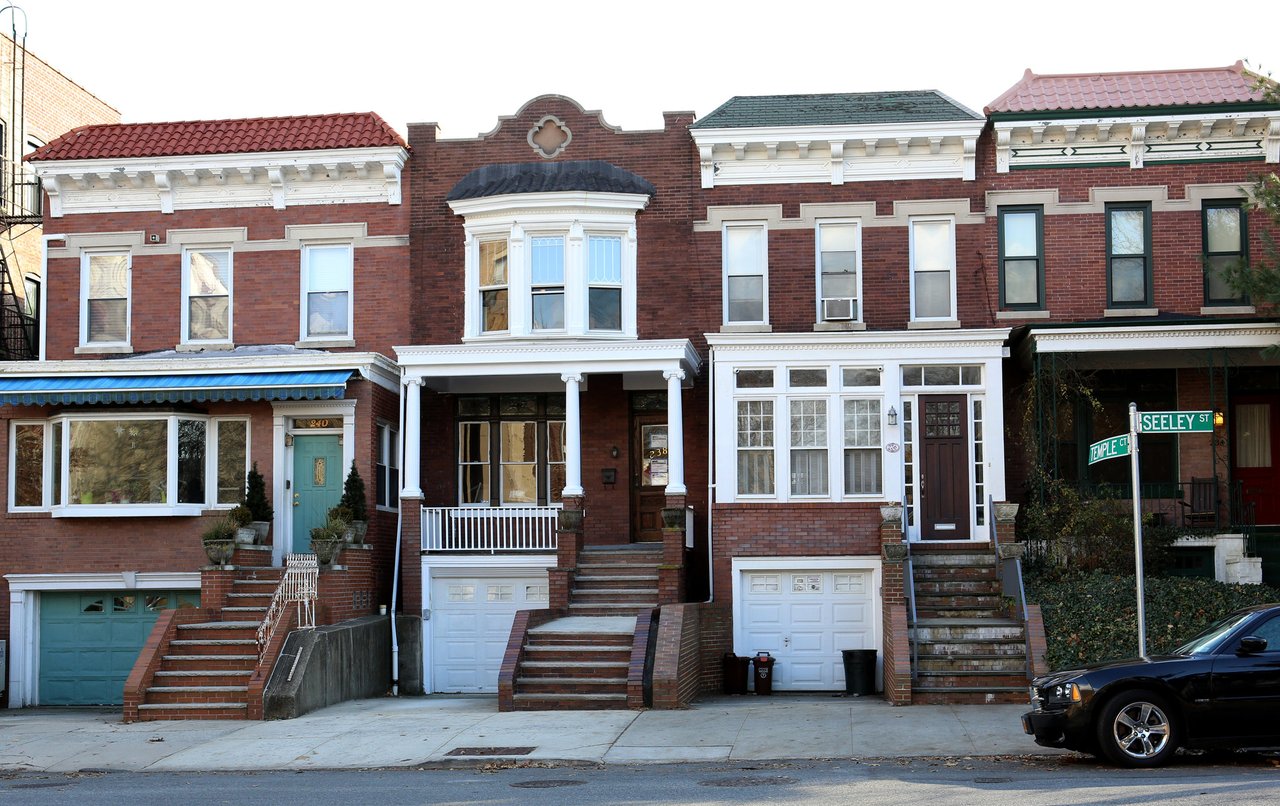
Selling a parent’s home in New York City is often more complex than a standard residential sale. Adult children frequently balance emotional responsibilities with legal and financial decisions. NYC’s property rules, housing types, and buyer expectations add layers that are easy to underestimate. Understanding how the local market works helps families avoid costly delays and pricing mistakes.
Confirming Legal Authority Before Listing
Before any marketing begins, the first step is confirming who has legal authority to sell the property. In many NYC cases, this requires probate through Surrogate’s Court. If the home is held in a trust, the trustee may be able to sell without probate. Co-ops and condos introduce additional approval requirements that must be addressed early.
An estate attorney familiar with NYC real estate should review the ownership structure before listing. Selling without proper authority can delay contracts or prevent closing altogether. Buyers in NYC are cautious and often walk away when estate documentation is unclear.
How Property Type Affects the Sale
Property type plays a significant role in pricing, buyer demand, and transaction timing. Single-family homes, co-ops, condos, and townhouses each attract different buyers and carry different risks. Co-ops often require board approval and impose restrictions that influence buyer offers. Condos typically allow smoother transfers but still require detailed disclosures.
Neighborhood context also matters. Buyer demand varies significantly by location and housing stock. Brownstone neighborhoods often attract end users rather than investors. You can compare this dynamic to our Park Slope neighborhood guide for insight into how buyers approach similar properties.
https://decodenyc.com/neighborhoods/park-slope
Preparing an Inherited Home for the NYC Market
Inherited homes often reflect decades of ownership and deferred maintenance. NYC buyers expect transparency and price accordingly. Preparation should focus on clarity rather than perfection. Strategic preparation usually improves market response more than major renovations.
Before listing, families typically need to address the following items:
-
Clearing personal belongings and sensitive paperwork
-
Reviewing building financials and governing documents
-
Identifying basic repairs or safety issues
-
Confirming ongoing costs such as taxes or maintenance
This single preparation list helps reduce uncertainty during buyer due diligence.
Pricing Realistically in a Data-Driven Market
NYC buyers rely heavily on recent comparable sales and detailed property data. Emotional attachment or outdated price expectations often lead to overpricing. Estate properties are usually discounted for condition, timing risk, and complexity. Accurate pricing protects leverage and helps maintain buyer interest.
Seasonality also influences results. Some property types perform better during specific months. Ongoing market patterns are discussed regularly in our NYC real estate blog, which helps families understand timing and buyer behavior.
https://decodenyc.com/blog
Taxes, Carrying Costs, and Financial Considerations
Estate sales often involve unresolved financial obligations that must be addressed before closing. Buyers expect clarity around taxes, maintenance arrears, and mortgages. These issues can delay transactions if discovered late in the process.
Ongoing carrying costs continue until the property transfers. Insurance coverage must remain active. Estate tax filings, when applicable, may also affect timing. Early review of these details reduces surprises during contract negotiations.
When Development Potential Shapes Buyer Interest
Some inherited properties attract developer attention, particularly townhouses or underbuilt lots. Development value depends on zoning and allowable floor area. FAR defines how much building area zoning permits on a specific lot. NYC zoning rules vary significantly by block and district.
Misunderstanding development potential can lead to underpricing or missed opportunities. This issue often arises in neighborhoods experiencing change. We track these patterns through our new development coverage.
https://decodenyc.com/new-development
Coordinating Multiple Heirs and Decision Makers
Many estate sales involve multiple beneficiaries with different priorities. Clear communication is essential to avoid stalled negotiations. NYC buyers move quickly once committed, and indecision can weaken leverage late in the process.
Designating a single point of contact simplifies showings and negotiations. Agreeing on pricing authority and decision thresholds early helps keep the transaction on track.
Next Steps for Families Selling in NYC
Selling a parent’s home in New York City requires preparation, patience, and local market understanding. Legal structure, property type, and pricing strategy all influence outcomes. Clear guidance helps families navigate the process with fewer surprises. If you want support selling an inherited property in NYC, you can reach out anytime.