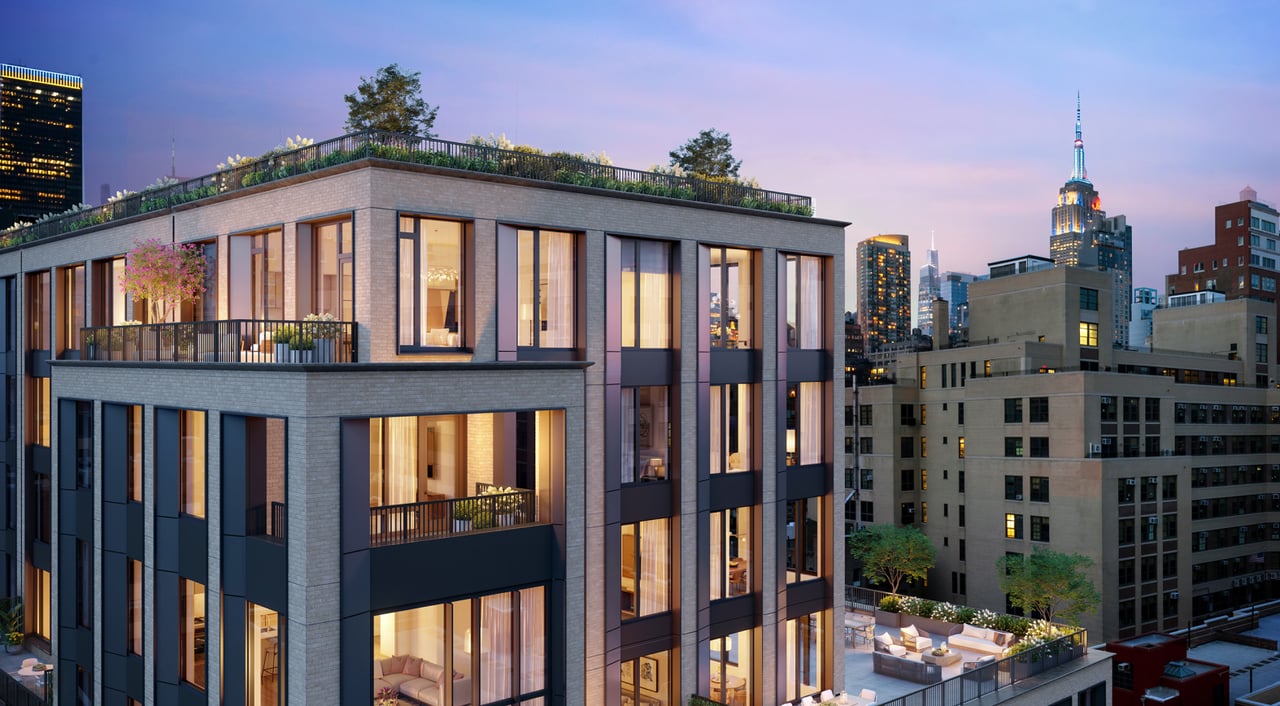
In a city like New York, architecture has always been more than structure. It is narrative, identity, and emotion rendered in steel, brick, and glass. Buildings do not simply house life; they express it. When art and architecture converge, they create experiences that stay with us long after we step outside.
Chelsea, perhaps more than any other Manhattan neighborhood, captures this relationship perfectly. From the galleries beneath the High Line to residential towers shaped by sculptural ambition, Chelsea’s skyline reads like an art collection in motion. Each building is a statement, and together they form a dialogue about creativity, culture, and time.
The Origins of Architectural Storytelling
The idea that buildings could tell stories is not new. Throughout history, architecture has mirrored society’s values, fears, and dreams.
From Craft to Canvas
In ancient times, architecture served as a physical manifestation of power or spirituality. Cathedrals, temples, and palaces were designed to inspire awe and reflect divine order. Over the centuries, as art evolved into a personal expression, architecture followed suit. The walls that once displayed paintings began to embody them.
By the 20th century, modernism reduced architecture to function, but postmodernism brought narrative back. Architects began to see buildings as artistic expressions once more. In New York, this return to storytelling found its perfect stage: Chelsea.
Chelsea’s Creative DNA
Chelsea’s architectural identity has always been linked to art. Industrial warehouses became galleries, old factories were transformed into lofts, and later, new buildings emerged that treated design as a creative act in itself. The neighborhood’s fabric became a living museum where architecture and art coexisted as equals.
When Buildings Become Sculptures
Some architects see their work not as construction but as sculpture. They design in rhythm, texture, and light rather than in grids and metrics. Chelsea has become a gallery for this type of thinking.
Zaha Hadid’s 520 West 28th Street
Few buildings capture the poetry of movement like Zaha Hadid’s 520 West 28th Street, located beside the High Line. Its curved metallic façade wraps around the structure like a ribbon, turning an ordinary residential tower into a piece of kinetic art.
Hadid’s design blurs the line between architecture and sculpture. Every curve speaks to her philosophy that form should flow from motion. Inside, sweeping staircases and organic lines continue the visual language. The result is a building that feels alive — not a static object but a dynamic statement.
Thomas Heatherwick’s Lantern House
Just a short walk north stands Heatherwick Studio’s Lantern House, whose bulbous bay windows make it instantly recognizable. The design references traditional bay windows while transforming them into luminous, sculptural forms. Each “lantern” captures light differently throughout the day, giving the building a constantly changing appearance.
Heatherwick’s approach turns domestic architecture into urban art. Residents do not merely live beside the High Line; they inhabit part of its visual story.
Architecture as an Emotional Experience
Buildings that tell stories do more than appeal to the eye. They evoke emotion, shape memory, and create connection.
The Power of Light and Material
Architectural storytelling often begins with material choices. Brick conveys warmth and history, glass suggests transparency and modernity, and metal introduces reflection and dynamism. In Chelsea, architects combine these materials to create emotional resonance rather than simply visual variety.
The High Line-adjacent projects of the last two decades exemplify this. Architects have responded to the park’s organic forms with designs that feel tactile and responsive. Walking through West 22nd or 24th Streets reveals how surface, shadow, and structure interact like brushstrokes in a painting.
Creating Spaces That Speak
Artistic architecture not only looks good; it evokes emotions in people. Think of the quiet intimacy of a courtyard garden, the drama of a double-height gallery, or the serenity of filtered daylight through glass brick. These effects are intentional. They transform space into a story, enabling residents and visitors to experience emotion through design.
Chelsea’s Architectural Conversation
Chelsea is a dialogue between old and new. Its story is told through the contrast of preserved masonry beside futuristic glass, and restrained warehouses beside bold new landmarks. Each speaks a different dialect of the same creative language.
Industrial Roots, Artistic Future
The neighborhood’s industrial architecture gave it bones and character. When those spaces were repurposed into galleries and lofts, they created the foundation for a modern design culture. The exposed beams, riveted columns, and raw materials became symbols of honesty and adaptability.
Today’s architects pay homage to those origins. Many new buildings reference industrial proportions or materials even as they introduce cutting-edge design. The result is a district where history and innovation coexist rather than compete.
The High Line as Muse
The High Line changed how architecture interacts with the city. Buildings along its path are designed to be seen from above as much as from the street. This shift encouraged architects to think of façades as artworks, rooftops as landscapes, and interiors as part of the public visual field.
Chelsea’s High Line corridor has since become a case study in urban artistry, where architecture is not just background but an active participant.
Art Inside the Architecture
The story does not end with the exterior. Many of Chelsea’s most admired buildings integrate art directly into their interiors and public spaces, creating environments that extend the city’s cultural identity indoors.
The Fusion of Design and Display
In developments such as 551 West 21st Street, designed by Foster + Partners, and the Getty, designed by Peter Marino, architecture becomes a frame for art. Expansive walls, natural light, and curated materials make the residences feel like galleries.
Buyers are drawn to these spaces not just for square footage but for the experience. Living in Chelsea often means living among art, literally and philosophically.
The Role of Developers as Curators
Developers in Chelsea have increasingly embraced the role of cultural curator. They collaborate with artists, commission installations, and program buildings with a sense of creative purpose. This approach has elevated residential development into a form of civic art, enriching both property value and cultural capital.
Global Influence, Local Soul
Chelsea’s success in blending art and architecture has inspired cities worldwide. Yet its strength lies in its uniquely local character.
Lessons from Chelsea
The neighborhood demonstrates that architecture succeeds most when it reflects its environment. By respecting industrial heritage while encouraging creative risk, Chelsea has become a global model for adaptive reuse and cultural integration.
Cities from London to Seoul have studied their evolution, but few match its authenticity. Chelsea’s magic lies in its imperfections, the dialogue between rusted steel and polished glass, between galleries and residences, between past and future.
An Ongoing Story
Architecture in Chelsea continues to evolve. New projects emerge every year, yet most continue to engage in the same conversation about proportion, texture, and human experience. This continuity ensures that Chelsea’s skyline, while ever-changing, never loses its identity.
When Buildings Become Legacies
Great architecture endures because it resonates beyond design trends. It captures the values of its era and carries them forward. Chelsea’s buildings tell stories not just about art but about ambition, community, and reinvention.
The Narrative of Innovation
Every generation of architects contributes a new chapter. What the factory builders of the 19th century began, the artist-loft pioneers of the 20th century reimagined, and today’s design visionaries continue to reinterpret. The result is a living history written in steel, glass, and brick.
Human Connection Through Design
Ultimately, buildings that tell stories succeed because they connect to people. They invite curiosity, evoke memories, and create a sense of pride in place. Chelsea’s architecture embodies this connection. It reminds us that art does not just hang on walls sometimes; we live inside it.
Make Your Move with Decode NYC
Chelsea’s story proves that architecture and art are two sides of the same creative coin. The neighborhood’s buildings are more than structures; they are living expressions of design, history, and imagination.
At Decode Real Estate, we recognize the emotional and cultural significance embedded in exceptional architecture. Whether you are exploring historic lofts, design-led condominiums, or future icons along the High Line, we help you find homes that resonate with meaning as much as beauty.
Ready to find your place in Chelsea’s ongoing story? Schedule your private consultation with Decode Real Estate and experience how architecture can inspire your next chapter.