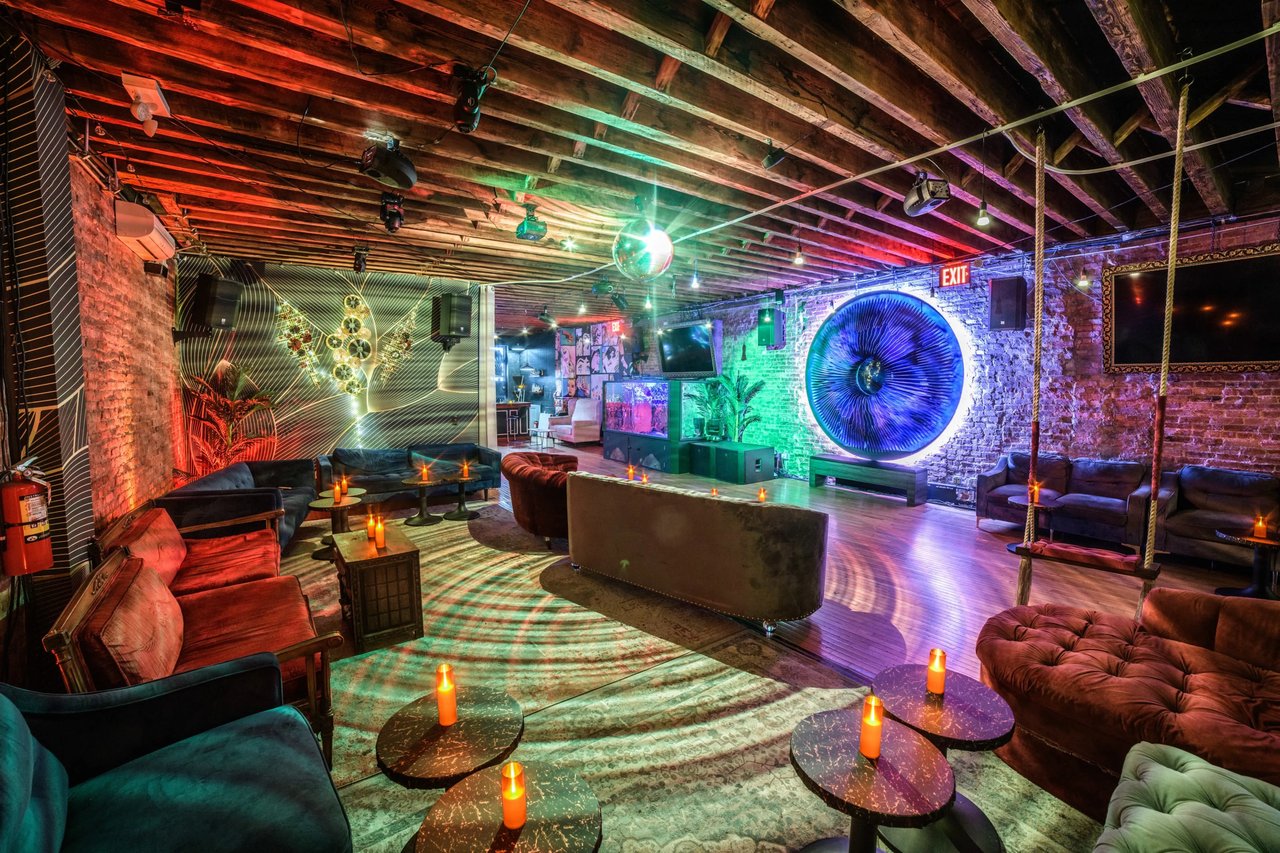
Before Chelsea became one of Manhattan’s most polished and design-forward neighborhoods, it was a place defined by raw creativity. Its warehouses and factories, once part of the city’s industrial backbone, became the blank canvases of a movement that would forever change New York’s real estate landscape.
The artist lofts of Chelsea were not just homes. They were experiments in living, working, and creating under one roof. These spaces captured the imagination of a generation of artists and, over time, the attention of architects, developers, and collectors. The result is a neighborhood whose identity still carries the DNA of artistic rebellion and reinvention.
The Birth of the Artist Loft
Before there were luxury condominiums and boutique co-ops, there were lofts, vast industrial spaces transformed by necessity into homes and studios.
From Factories to Creativity
In the mid-20th century, as industry migrated out of Manhattan, thousands of factories stood empty. These structures, especially those near the Hudson River, offered large open floors, high ceilings, and dramatic windows that filled the space with natural light. For artists struggling to find affordable studios, they were a dream come true.
Chelsea’s west side, with its proximity to the docks and train lines, became one of the city’s most fertile grounds for creative reinvention. By the 1950s and 60s, painters, sculptors, and photographers began moving in. They built walls by hand, installed sinks and skylights, and in the process, created a new kind of urban living that merged art and life.
The Loft as Lifestyle
What began as an improvised solution became a symbol of authenticity. Artists embraced the imperfections of these industrial spaces: the exposed pipes, the concrete floors, the echo of footsteps on metal stairs. The loft aesthetic was born.
It was never meant to be glamorous, but its honesty became magnetic. Over time, the same features that defined practicality for artists, such as space, light, and flexibility, became the markers of urban luxury.
The Legal Turning Point
For years, artists lived in a legal gray zone. Industrial zoning prohibited residential use, yet the live/work lifestyle had already taken root across downtown Manhattan.
The 1982 Loft Law
In 1982, New York State passed the “Loft Law,” a landmark regulation that legalized certain artist-occupied industrial buildings. It provided a path for these spaces to meet safety standards and obtain residential status without displacing their tenants.
This legislation legitimized what had already become a cultural movement. For Chelsea, it meant stability. Artists could remain in their spaces, and building owners had a framework to bring structures up to code.
The law also marked the moment when lofts transitioned from being underground sanctuaries to recognized assets. That shift paved the way for Chelsea’s transformation into a premier residential neighborhood.
Preserving Creative Identity
The Loft Law also preserved the link between creative practice and urban living. It acknowledged that artists were integral to New York’s cultural and economic vitality. Without that recognition, many of the very spaces that define Chelsea’s identity might have disappeared.
Chelsea’s Transformation Into a Loft District
Chelsea’s evolution into an artist hub began quietly but grew rapidly through the 1980s and 1990s. What had once been a corridor of warehouses and factories became a laboratory for creativity and design.
The Warehouse Conversions
The same buildings that once stored textiles, food, and machinery began to attract artists in search of scale and light. Wide floor plates and structural openness allowed limitless possibilities for creative adaptation.
By the 1990s, developers began formalizing what artists had pioneered. Buildings were legally converted into residential co-ops or condos, keeping the industrial character intact while adding modern comforts. Chelsea’s lofts gained reputations not only for their aesthetic appeal but also for their individuality. No two units were ever quite the same.
The Emergence of a Cultural Epicenter
As more artists moved in, galleries followed. West 22nd and 24th Streets became lined with contemporary art spaces, while the nearby Meatpacking District began to attract fashion, design, and hospitality ventures. The entire west side of Manhattan started to hum with creativity.
This cultural energy anchored Chelsea’s real estate appeal. Buyers no longer saw lofts as unconventional; they saw them as authentic.
The Architecture of Authenticity
Chelsea’s loft architecture remains one of its defining features. Even as new buildings rise, the industrial heritage continues to shape design language and buyer expectations.
Defining the Loft Aesthetic
The hallmarks of a true artist loft are unmistakable:
-
Ceilings stretching up to 12 or 14 feet
-
Expansive, open layouts with minimal internal walls
-
Oversized, steel-framed windows that capture daylight from multiple exposures
-
Exposed brick, cast-iron columns, and visible beams
These details tell stories of craftsmanship and endurance. They embody an honesty that modern developments often strive to replicate but rarely equal.
Form Meets Function
Artist lofts were originally about function. They had to accommodate massive canvases, sculpture materials, and industrial tools. The scale and adaptability that artists required eventually became desirable for other urban lifestyles, from collectors and designers to tech entrepreneurs and families seeking flexibility.
That practicality is now part of Chelsea’s luxury appeal.
From Artists to Affluence
The rise of the High Line, Chelsea Market, and the neighborhood’s art institutions transformed the area from a creative outpost to a luxury destination. The same lofts once leased for modest sums now command some of the highest prices per square foot in Manhattan.
The Shift Toward Luxury
By the early 2000s, Chelsea’s reputation had changed completely. Developers began marketing “loft-style” condominiums, a term that became shorthand for open layouts and artistic cachet. Even new constructions adopted the look with high ceilings, exposed finishes, and oversized windows, blending heritage with modern luxury.
The irony is that the very success of this aesthetic priced out many of the original artists who defined it. Yet their legacy endures in the architecture and the spirit of the neighborhood.
A Living Legacy
Today’s Chelsea lofts often serve as collector residences, design studios, and creative offices. While the demographic has shifted, the core attraction remains the same: freedom, flexibility, and individuality. These values are as relevant to a tech founder as they once were to a painter.
Preservation and Evolution
Not all artist lofts have survived unaltered, but many continue to represent Chelsea’s layered history. Their presence gives the neighborhood a texture that purely new developments cannot replicate.
Adaptive Reuse and Protection
Many of Chelsea’s converted industrial buildings are protected under landmark or preservation regulations. This ensures that even as interiors evolve, exteriors retain their architectural integrity. Projects that reimagine these buildings often emphasize sustainability, craftsmanship, and respect for the past.
Adaptive reuse has become a hallmark of Chelsea’s design ethos. Each conversion tells a story about honoring what came before while adapting to contemporary life.
New Developments, Old Soul
Modern buildings in Chelsea often reference the proportions and materials of their predecessors. You can see it in the brick façades, steel accents, and rhythmic window patterns. Developers understand that part of Chelsea’s value lies in continuity, that connection to the creative era that shaped its identity.
Challenges and Contradictions
While Chelsea’s artist lofts remain iconic, they also illustrate the paradox of success. The neighborhood that once offered refuge for creativity has become a symbol of high-end urban living.
The Cost of Authenticity
Today, few working artists can afford the very lofts that their predecessors made famous. As property values rose, many original occupants sold or relocated to outer boroughs and beyond. The live/work model survives in spirit, but it is increasingly the domain of collectors rather than creators.
Yet the artistic narrative still enhances Chelsea’s prestige. Buyers pay for more than space; they pay for history and meaning.
Keeping the Creative Spirit Alive
Efforts to preserve Chelsea’s artistic identity continue through galleries, art schools, and community organizations. The neighborhood’s ongoing commitment to art ensures that while its demographics have shifted, its cultural foundation remains strong.
The story of Chelsea’s lofts is not one of loss but of evolution. Creativity may now express itself through architecture, design, and lifestyle as much as through paint and sculpture.
What Buyers Should Know About Loft Living
For buyers drawn to the romance of artist lofts, understanding their nuances is essential. These are not just apartments; they are one-of-a-kind properties with unique histories and physical characteristics.
Space and Scale
True lofts offer generous proportions that invite customization. They are ideal for open-plan living but require careful design to balance acoustics, privacy, and warmth.
Authenticity and Value
A genuine industrial conversion carries cultural and architectural credibility that newer “loft-style” condos often emulate. Original materials, historic details, and building provenance add long-term value, both financial and emotional.
Lifestyle Fit
Loft living is about openness, both physically and mentally. It appeals to those who appreciate design, adaptability, and a sense of connection to New York’s creative past. Buyers who resonate with that heritage will find Chelsea’s lofts unmatched.
Chelsea’s Enduring Creative Legacy
The artist lofts of Chelsea tell the story of tthe ransformation of spaces and people, of art and architecture. They remind us that neighborhoods evolve, but their essence can endure.
Each brick and beam carries echoes of the artists who first made this part of Manhattan their own. Their spirit still defines Chelsea’s skyline and its sensibility. The mix of history, design, and authenticity continues to attract those who see real estate not just as property, but as part of a living narrative.
Make Your Move with Decode NYC
Chelsea’s artist lofts are more than homes; they are cultural landmarks that link creativity to modern luxury. Understanding their legacy helps buyers see the neighborhood not just as a market, but as a story of transformation.
At Decode Real Estate, we specialize in uncovering these stories of the architectural heritage, the hidden value, and the lifestyle that make each Chelsea property unique.
Ready to explore the lofts that built Chelsea’s legend? Schedule your private consultation with Decode Real Estate today and discover how creativity continues to shape Manhattan’s most inspired addresses.