Chelsea is one of Manhattan’s most dynamic real estate markets, known for its modern condominiums, historic townhouses, and converted industrial loft buildings. Located on the west side of Manhattan between Midtown and the Meatpacking District, the neighborhood attracts buyers seeking a mix of culture, convenience, and a city lifestyle.
Chelsea has evolved significantly over the past two decades. Luxury developments near the High Line, modern condo towers along Eleventh Avenue, and classic prewar buildings have reshaped the housing landscape. Because the area includes a wide variety of property types and price ranges, buyers and sellers often benefit from working with real estate agents who understand the nuances of the local market.
This guide explains how Chelsea’s housing market works, which property types are common in the neighborhood, and how experienced real estate agents help clients navigate buying or selling in this competitive part of New York City.
Chelsea’s Real Estate Market Overview
Chelsea has long been a desirable Manhattan neighborhood because of its location, culture, and architectural diversity. It sits between Midtown, the West Village, and the Hudson River waterfront, giving residents access to parks, galleries, restaurants, and major subway lines.
The neighborhood experienced major development growth after the High Line park opened in 2009. New luxury condominium towers were built along the western edge of Chelsea, especially near the Hudson Yards development and the High Line corridor. These buildings introduced modern amenities such as concierge services, rooftop terraces, and fitness centers.
Despite the influx of new developments, Chelsea still maintains a mix of property styles. Buyers can find prewar co-op buildings, historic townhouses, loft conversions from former warehouses, and newly constructed luxury condominiums. Because inventory varies widely, local real estate agents play an important role in helping clients identify opportunities that match their goals and budgets.
Property Types Found in Chelsea
Chelsea offers one of the most diverse housing selections in Manhattan. This variety attracts both first-time buyers and experienced investors.
Converted loft buildings are a signature feature of the neighborhood. Many former industrial spaces have been transformed into residential units with high ceilings, large windows, and open floor plans. These lofts are particularly popular with buyers who want spacious layouts and unique architectural character.
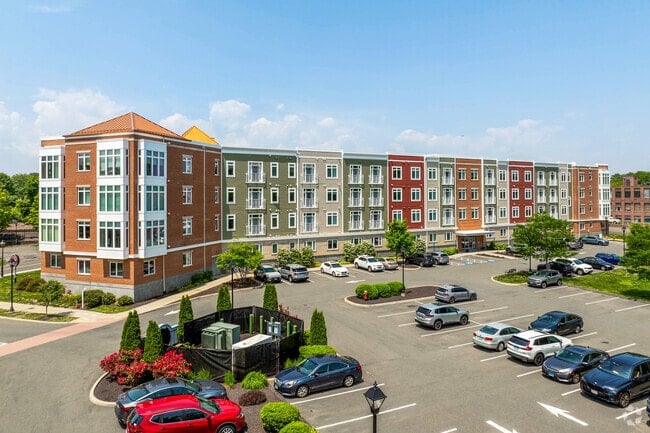
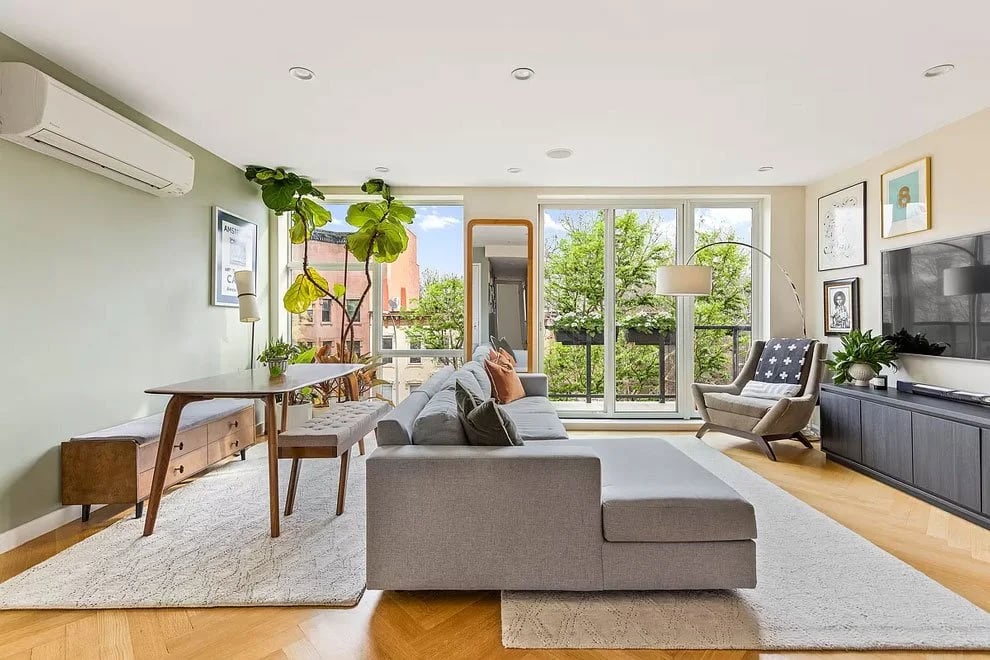
Luxury condominiums dominate the western section of Chelsea near the High Line. These buildings often feature floor-to-ceiling windows, private terraces, and modern interior finishes. Many include amenities such as full-time doormen, gyms, and landscaped rooftop spaces.
Traditional prewar co-ops are also common throughout the neighborhood. These buildings typically offer more affordable price points compared with luxury condos, but they often require buyers to pass co-op board approvals and follow stricter purchase guidelines.
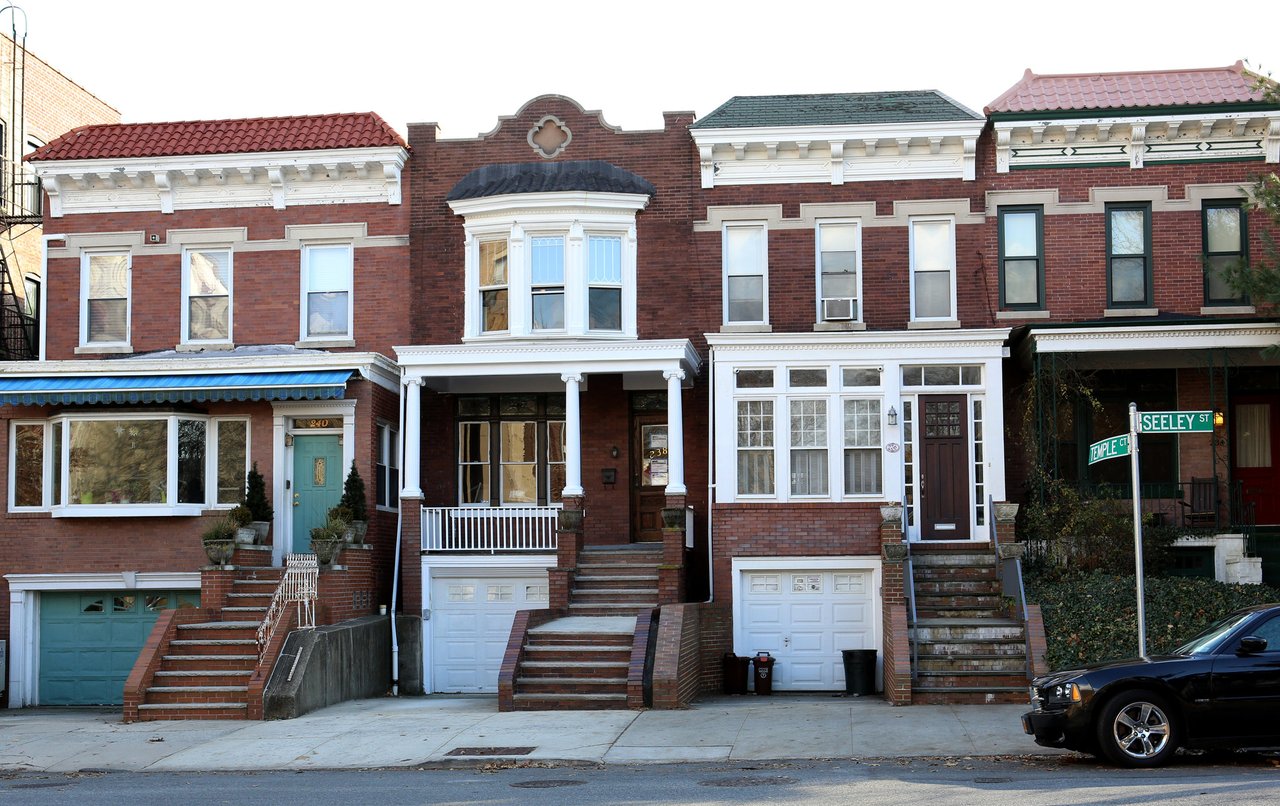
Townhouses and small historic buildings can also be found on quieter Chelsea streets. Some have been converted into boutique condominiums, while others remain single-family homes.
Pricing Trends and Buyer Demand
Chelsea property prices vary significantly depending on building type, location, and apartment size. Luxury condominiums near the High Line or Hudson River tend to command the highest prices in the neighborhood.
Many one-bedroom condos in Chelsea sell between approximately $1 million and $2 million, while larger two- and three-bedroom units often exceed $3 million. High-end penthouses and new development residences can reach much higher price levels.
Loft apartments often attract strong demand because of their distinctive layouts and limited supply. Buyers looking for authentic loft spaces may compete for units in historic warehouse conversions.
Co-op apartments can offer somewhat lower entry prices than condos, but board approval requirements and financing rules may influence buyers' decisions.
Chelsea continues to attract a wide range of buyers, including professionals, international purchasers, and investors. The neighborhood’s art galleries, restaurants, and proximity to Midtown offices make it appealing for people who want both lifestyle and convenience.
Why Local Chelsea Real Estate Agents Matter
Buying or selling property in Chelsea requires knowledge of building types, pricing trends, and local market dynamics. Experienced agents who specialize in the neighborhood can provide insights that go beyond simple listing searches.
Local agents often know about upcoming listings before they appear publicly. In competitive Manhattan markets, early access to information can give buyers an advantage when pursuing desirable apartments.
Agents familiar with Chelsea buildings can also explain differences between co-ops and condominiums. They understand board requirements, financing restrictions, and common building policies that affect transactions.
For sellers, neighborhood agents help determine realistic pricing based on recent comparable sales. Chelsea properties vary widely, so pricing strategies must reflect the building type, apartment condition, and current buyer demand.
Experienced agents also coordinate marketing strategies, professional photography, and property showings. In a competitive Manhattan market, strong presentation and targeted marketing can significantly influence how quickly a property sells.
What Buyers Should Look for in Chelsea
Chelsea offers many attractive housing options, but buyers should carefully evaluate several factors before purchasing property in the neighborhood.
Important considerations include:
Building financial stability
Review the building’s financial statements, reserve funds, and maintenance history. Financially healthy buildings tend to provide more stable long-term ownership.
Location within Chelsea
Apartments closer to the High Line, Hudson River Park, or major subway lines may command higher prices but also offer stronger resale potential.
Building rules and ownership policies
Co-ops often have stricter rules regarding subletting, financing, and renovations. Buyers should understand these policies before committing to a purchase.
Apartment layout and natural light
Chelsea buildings vary widely in layout. Loft conversions may offer large open spaces, while modern condos often feature contemporary floor plans.
Future development nearby
Large development projects can influence property values. Buyers should research potential construction or zoning changes in surrounding blocks.
Working with an experienced agent can help buyers analyze these factors and avoid unexpected challenges during the purchase process.
What Sellers Should Consider Before Listing
Chelsea sellers benefit from strong demand, but pricing and marketing strategies remain critical in Manhattan’s competitive market.
Several factors influence successful sales:
Accurate pricing strategy
Overpricing can discourage buyers and lead to longer listing times. Realistic pricing based on recent comparable sales often generates stronger interest.
Apartment presentation
Professional staging, high-quality photography, and well-planned showings help create a strong first impression for potential buyers.
Timing the NYC market
Seasonal trends and broader economic conditions affect buyer activity. Experienced agents can help determine when to list for maximum exposure.
Understanding building rules
Co-op boards may require detailed buyer applications and approval processes. Sellers should prepare documentation in advance to avoid delays.
Chelsea properties often attract both local and international buyers. Effective marketing strategies can reach a broader audience and help maximize the final sale price.
Frequently Asked Questions
How much do apartments cost in Chelsea?
Prices vary widely depending on building type and location. One-bedroom apartments often start around $1 million, while larger luxury condominiums can sell for several million dollars.
Are there many loft apartments in Chelsea?
Yes. Chelsea contains numerous converted warehouse buildings that offer authentic loft spaces with high ceilings and open layouts. These properties remain highly desirable among buyers.
Are Chelsea buildings mostly condos or co-ops?
The neighborhood includes a mix of both. Newer developments tend to be condominiums, while many prewar buildings operate as co-ops with board approval requirements.
How long does it take to sell an apartment in Chelsea?
Sales timelines vary based on pricing and market conditions. Well-priced properties in desirable buildings may sell within a few weeks, while others may take several months.
Understanding Chelsea’s Real Estate Market
Chelsea remains one of Manhattan’s most vibrant residential neighborhoods, offering a wide mix of architectural styles, cultural attractions, and modern developments. From historic loft conversions to luxury condominiums near the High Line, the area provides housing options that appeal to a broad range of buyers.
Because the neighborhood includes such diverse property types and pricing levels, working with experienced local real estate agents can make the buying or selling process much easier. Agents who understand Chelsea’s building rules, market trends, and buyer demand can guide clients through complex transactions.
DecodeNYC helps buyers and sellers better understand how New York City real estate works across different neighborhoods. The platform explains market trends, pricing strategies, and what to consider when buying or selling properties in Manhattan, Brooklyn, and other NYC communities.