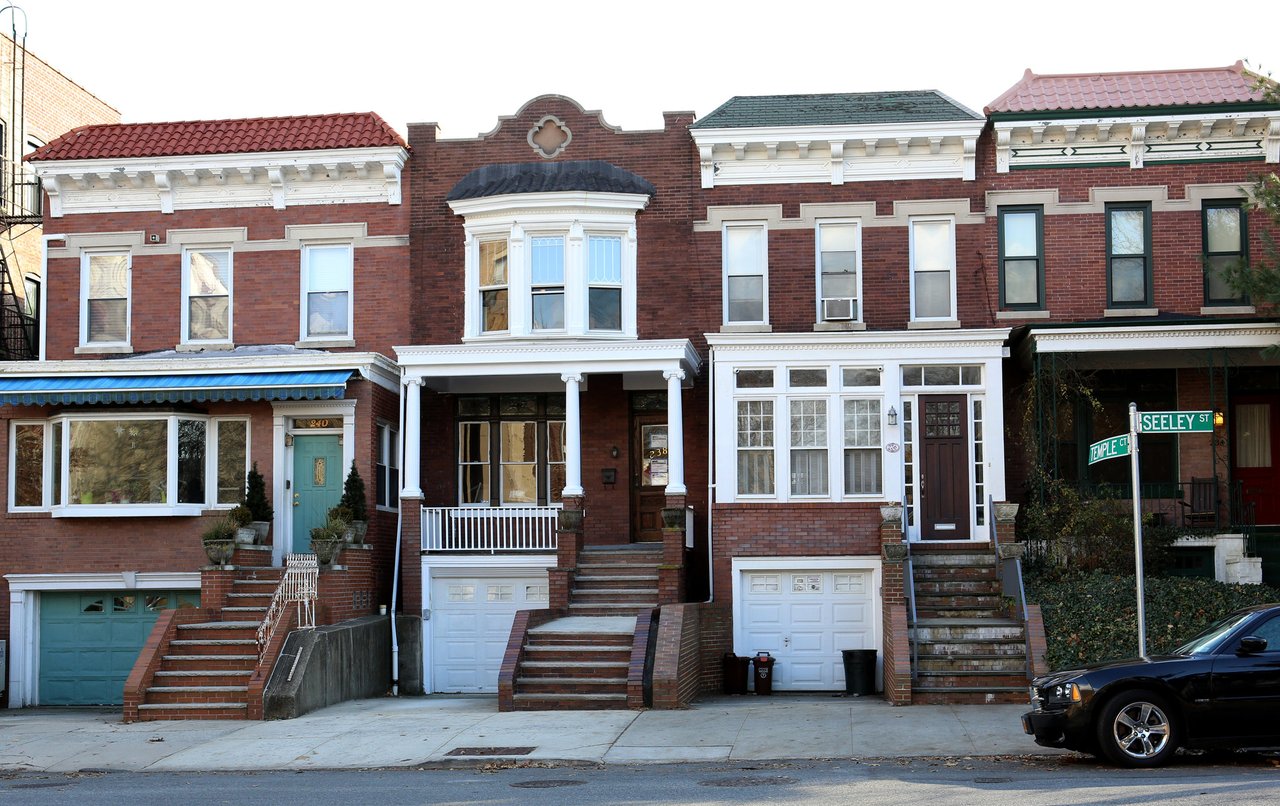
New York City has one of the most complex real estate markets in the world. Buyers and sellers must navigate different neighborhoods, property types, and competitive bidding situations. One important decision is choosing the right real estate brokerage. In NYC, agents often work at either large national firms or smaller boutique brokerages.
Understanding the difference between these two models can help buyers and sellers make better decisions. Each type of firm offers different strengths, resources, and approaches to serving clients.
In this guide, we explain how boutique and big real estate firms operate in New York City. You will learn how brokerage size affects marketing, agent experience, negotiation strategy, and overall service when buying or selling property in Manhattan, Brooklyn, and beyond.
Understanding NYC Real Estate Brokerages
In New York City, licensed real estate agents must work under a brokerage. The brokerage provides legal oversight, compliance support, marketing tools, and office infrastructure. Buyers and sellers interact with individual agents, but the brokerage often influences how those agents operate.
Large firms typically have hundreds or even thousands of agents. These companies operate across many neighborhoods and often have recognizable brand names. They may have offices throughout Manhattan, Brooklyn, and other boroughs.
Boutique brokerages are smaller and more specialized. They may focus on specific neighborhoods or property types, such as luxury Manhattan condos or Brooklyn brownstones. These firms often emphasize personalized service and selective agent teams.
For buyers and sellers, understanding how these brokerages function can clarify what type of experience they will receive during a transaction.
What Defines a Boutique Real Estate Firm
A boutique real estate firm is usually smaller in size and more selective about the agents who join the company. Instead of hiring large numbers of agents, these firms often maintain compact teams of experienced professionals.
Boutique brokerages often focus on quality over quantity. Many specialize in certain neighborhoods or market segments. For example, a boutique firm might concentrate on Upper West Side co-ops, SoHo lofts, or Park Slope townhouses.
Because teams are smaller, clients often work closely with senior agents or company leadership. Communication tends to be direct, and transactions may receive more individual attention.
In many cases, boutique firms also rely heavily on reputation and relationships. In NYC, where off-market listings and private networks play a role, this relationship-driven approach can sometimes help buyers access opportunities before they reach the public market.
How Large Real Estate Firms Operate
Large real estate brokerages dominate much of the New York City housing market. These firms often operate nationally or globally, with offices in major cities and large teams of agents.
One advantage of large firms is scale. They may have extensive marketing departments, large advertising budgets, and wide listing distribution networks. Properties listed through these brokerages can receive exposure across many platforms and agent networks.
Large companies also tend to offer structured training programs for agents. New agents often start their careers at big firms because of the mentorship, resources, and established systems available.
However, the experience a client receives can vary depending on the individual agent. Some agents within large firms manage many listings simultaneously, while others operate as smaller teams within the larger company structure.
For buyers and sellers, the key factor is often the agent's experience rather than the size of the brokerage alone.
Manhattan and Brooklyn Market Differences
Brokerage dynamics can vary depending on where in New York City the transaction takes place. Manhattan and Brooklyn, for example, often function as distinct real estate markets.
In Manhattan, many transactions involve co-op apartments and luxury condos. These properties often require detailed board applications and strict approval processes. Experienced agents who understand co-op boards and building policies can make a significant difference in navigating these transactions.
Brooklyn, on the other hand, has a mix of brownstones, townhouses, condos, and smaller co-op buildings. Neighborhood knowledge can be particularly valuable here. Understanding pricing trends in areas like DUMBO, Williamsburg, Park Slope, or Bedford-Stuyvesant can influence how buyers evaluate opportunities.
Both boutique and large brokerages operate across these boroughs. However, boutique firms sometimes build strong reputations within specific neighborhoods, while large firms may have broader citywide coverage.
Marketing Exposure and Listing Strategy
Marketing strategy is one of the most visible differences between boutique and large firms. Sellers often consider how widely their property will be promoted when choosing an agent.
Large brokerages may offer:
-
Extensive digital marketing campaigns
-
Large email distribution lists
-
In-house photography and staging resources
-
Wide listing exposure across agent networks
These tools can increase visibility, especially for high-value Manhattan properties.
Boutique firms may take a different approach. Instead of focusing only on scale, they often emphasize targeted marketing strategies. These can include curated buyer lists, neighborhood-focused outreach, and relationships with active agents representing buyers.
In NYC, some transactions also occur through off-market channels. Experienced agents may connect buyers and sellers privately before listings appear publicly. In these situations, relationships and reputation can matter more than company size.
Negotiation and Transaction Experience
Negotiation plays a major role in the New York City housing market. Competitive bidding situations are common, especially in desirable neighborhoods and well-priced listings.
Strong negotiation skills often depend on the agent's experience with similar transactions. Agents who regularly handle Manhattan condos, Brooklyn townhouses, or co-op purchases tend to understand pricing dynamics and buyer behavior more clearly.
An experienced agent may help:
-
Position a property to attract multiple offers
-
Structure competitive bids in tight markets
-
Navigate co-op board requirements
-
Manage inspection and contract negotiations
The brokerage can provide support, but the individual agent typically drives the negotiation process.
Platforms like DecodeNYC help buyers understand how these dynamics work and how different agents approach pricing, marketing, and negotiation strategies.
How Buyers and Sellers Should Evaluate Agents
Choosing the right agent often matters more than choosing the biggest brokerage. Buyers and sellers should focus on an agent's experience, market knowledge, and communication style.
Here are some useful questions to ask before hiring an agent:
-
How many transactions have you completed in this neighborhood?
-
Do you specialize in co-ops, condos, or townhouses?
-
What marketing strategy would you use for my property?
-
How do you handle multiple-offer situations?
-
What is the typical timeline for closing in NYC?
Signs of a strong real estate agent include:
-
Deep knowledge of specific neighborhoods
-
Clear communication and realistic pricing advice
-
Strong relationships with other NYC agents
-
Experience with co-op board packages and approvals
-
A track record of completed transactions
Buyers and sellers should also avoid common mistakes.
Common mistakes include:
-
Choosing an agent based only on brand name
-
Hiring the first agent they meet
-
Ignoring local neighborhood expertise
-
Focusing only on the lowest commission rate
Careful evaluation can lead to a smoother transaction and stronger results.
FAQs
Are boutique real estate firms better than large firms?
Not necessarily. Both boutique and large firms can provide excellent service. The most important factor is the experience and expertise of the individual agent handling the transaction.
Do large real estate firms have better marketing?
Large firms often have broader marketing resources and larger networks. However, boutique firms may offer more targeted strategies and personalized attention when promoting listings.
Should buyers care about the brokerage size?
Buyers usually benefit most from working with an experienced agent who understands the local market. Brokerage size matters less than the agent's knowledge of pricing trends and neighborhood dynamics.
Do NYC agents specialize in certain neighborhoods?
Yes. Many successful agents focus on specific neighborhoods or property types. This specialization helps them understand pricing patterns, building rules, and buyer demand in those areas.
Choosing the Right NYC Brokerage
The New York City real estate market offers many brokerage options, from large international firms to small boutique companies. Each model has advantages depending on the situation and the individual agent involved.
Buyers and sellers should focus on experience, neighborhood expertise, and negotiation ability when choosing representation. An agent who understands Manhattan co-op rules, Brooklyn pricing trends, and NYC closing timelines can provide meaningful guidance throughout the process.
Resources such as DecodeNYC help buyers and sellers better understand how brokerages operate and how to evaluate agents. With the right information and careful selection, clients can navigate the NYC real estate market with greater confidence and clarity.