Buying a brownstone in Brooklyn is one of the most iconic ways to own property in New York City. These historic townhouses define many of the borough’s most desirable neighborhoods, offering classic architecture, spacious layouts, and long-term investment potential.
Brooklyn brownstones are especially common in neighborhoods such as Park Slope, Bedford-Stuyvesant, Carroll Gardens, and Fort Greene. Many of these homes date back to the 19th century and feature distinctive architectural details that make them highly sought after in the NYC real estate market.
However, purchasing a brownstone is very different from buying a typical condo or co-op apartment. Buyers must consider building condition, renovation costs, property taxes, and neighborhood trends. This guide explains how the Brooklyn brownstone market works and what buyers should know before purchasing one.
Understanding Brooklyn’s Brownstone Neighborhoods
Brooklyn brownstones are most commonly found in historic neighborhoods developed during the late 1800s. Areas such as Park Slope, Brooklyn Heights, Fort Greene, Clinton Hill, and Bedford-Stuyvesant are known for their tree-lined streets filled with these classic townhouses.
These homes were originally built as single-family residences but have often been converted into multi-unit properties over time. Some brownstones contain rental apartments, while others have been restored into full single-family homes.
Each neighborhood offers a different market dynamic. Park Slope and Brooklyn Heights are among the most expensive brownstone markets in NYC, attracting families seeking proximity to Manhattan and quiet residential streets. Bedford-Stuyvesant and Crown Heights offer more price variety, which attracts both investors and buyers looking to renovate historic homes.
Local amenities also play a major role in demand. Access to subway lines, nearby parks such as Prospect Park, and neighborhood restaurants and schools all influence property values.
Typical Features of Brooklyn Brownstones
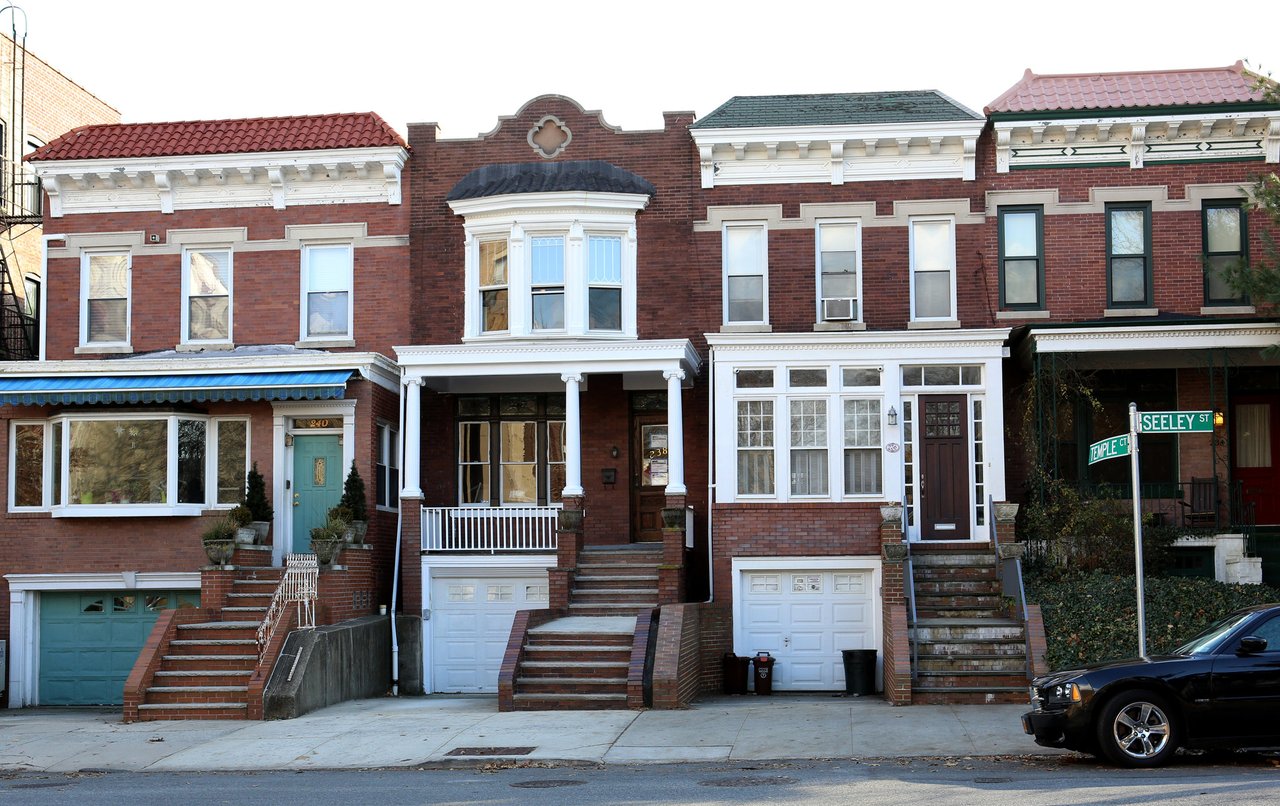
Brooklyn brownstones are known for their distinctive architecture and historic character. The term “brownstone” refers to the reddish-brown sandstone used on the exterior facade of many 19th-century townhouses.
Common features of brownstone homes include:
-
stoop entrances leading to a parlor floor
-
high ceilings and large windows
-
decorative fireplaces and moldings
-
original wood staircases
-
spacious layouts across multiple floors
Most brownstones range from three to five stories and often include a garden or backyard space, which is relatively rare in New York City housing.
The layout typically includes a parlor floor for entertaining, upper floors with bedrooms, and a garden level that may contain a separate apartment or additional living space.
Because many of these homes are over a century old, buyers should expect that maintenance and renovations may be necessary. Electrical systems, plumbing, roofing, and structural components often require updates.
Brooklyn Brownstone Price Trends
Brownstones are among the most valuable residential properties in Brooklyn, and prices vary widely by neighborhood, condition, and size.
Typical price ranges include:
-
Bedford-Stuyvesant brownstones often range from about $1.5 million to $3 million
-
Clinton Hill and Fort Greene homes frequently sell between $2 million and $4 million
-
Park Slope brownstones can exceed $5 million depending on size and renovation level
-
Brooklyn Heights townhouses sometimes sell for $6 million or more
Prices are influenced by several key factors.
Location plays a major role. Homes located near subway stations or major parks tend to command higher prices.
Condition is also critical. Fully renovated brownstones often sell for significantly more than properties that require major upgrades.
Finally, the number of legal units can affect value. Multi-family brownstones with rental income potential can attract both investors and homeowners.
Demand for brownstones remains strong because they provide something rare in New York City real estate: private living space, outdoor areas, and architectural charm.
What Buyers Should Look for Before Purchasing
Buying a historic townhouse requires careful inspection and planning. Many brownstones are more than 100 years old, which means structural and mechanical systems should be reviewed carefully.
Key things buyers should evaluate include:
Building condition
A professional inspection is essential when purchasing a brownstone. Buyers should check the condition of the roof, foundation, facade, and structural elements. Older masonry and sandstone exteriors sometimes require restoration.
Mechanical systems
Electrical wiring, plumbing, and heating systems may be outdated in older properties. Upgrading these systems can be expensive but may be necessary for safety and comfort.
Legal occupancy
Some brownstones have been converted into multiple apartments over time. Buyers should confirm the legal number of units with NYC building records.
Renovation potential
Many buyers purchase brownstones with the intention of renovating them. Understanding renovation costs and permit requirements can help avoid unexpected expenses.
Property taxes and operating costs
Townhouses have property taxes that can vary depending on the property classification. Buyers should also factor in ongoing maintenance costs that apartment owners may not face.
Working with experienced professionals such as real estate agents, inspectors, and attorneys familiar with NYC townhouses can help navigate these complexities.
Financing and Ownership Considerations
Financing a brownstone is different from buying a condo or co-op apartment. Because brownstones are usually classified as townhouses or multi-family homes, lenders evaluate them differently.
Buyers should consider several financial factors.
Down payment requirements are often higher for townhouses than for apartments. Mortgage lenders also review the building’s structure and condition as part of the loan approval process.
If the brownstone includes rental units, projected rental income may help buyers qualify for financing. This can make multifamily brownstones attractive to buyers seeking to offset mortgage costs.
Ownership responsibilities are also greater than in apartment buildings. Brownstone owners are responsible for all maintenance, repairs, and building management. There is no building board or management company handling these tasks.
However, this independence also offers flexibility. Owners can renovate, redesign, or reconfigure the home without the approval restrictions often seen in co-op buildings.
How Local Real Estate Agents Help Buyers
Buying a brownstone in Brooklyn can be more complex than purchasing an apartment. Experienced local real estate agents play an important role in helping buyers understand the market.
Agents with neighborhood expertise can help identify properties that meet a buyer’s goals. Some brownstones are sold privately or before they reach public listing platforms, making local connections valuable.
They can also provide insight into pricing trends and renovation potential. Understanding whether a property is priced fairly requires knowledge of comparable townhouse sales in the same neighborhood.
In addition, experienced agents coordinate with inspectors, attorneys, and lenders throughout the transaction process. Brownstone deals often involve more due diligence than apartment purchases.
Working with professionals who specialize in Brooklyn townhouses helps buyers avoid common pitfalls and make confident decisions.
Frequently Asked Questions
How much does a brownstone cost in Brooklyn?
Prices vary by neighborhood and condition. Many Brooklyn brownstones range from about $1.5 million to more than $5 million, with premium locations commanding higher prices.
Are brownstones good investments?
Brownstones are often considered strong long-term investments because of their limited supply and historic character. Demand remains high among buyers looking for larger homes in NYC.
What should buyers inspect in a brownstone?
Buyers should review the building structure, facade condition, roof, plumbing, electrical systems, and heating systems. Professional inspections are essential when purchasing older homes.
Can brownstones include rental apartments?
Yes. Many brownstones contain multiple units, allowing owners to rent out portions of the property. Rental income can help offset mortgage costs.
Understanding Brooklyn’s Historic Housing Market
Buying a brownstone in Brooklyn offers the opportunity to own a unique piece of New York City history. These homes provide more space and architectural character than most apartments, making them attractive to buyers seeking long-term living options in the city.
However, purchasing a historic townhouse requires careful research and planning. Buyers must evaluate property condition, renovation costs, and neighborhood market trends before making a decision. Understanding the dynamics of Brooklyn’s brownstone neighborhoods helps buyers identify opportunities and avoid surprises.
DecodeNYC helps buyers and sellers better understand how New York City real estate works across different neighborhoods. The platform explains market trends, pricing strategies, and what to consider when buying or selling properties in Manhattan, Brooklyn, and other NYC communities.