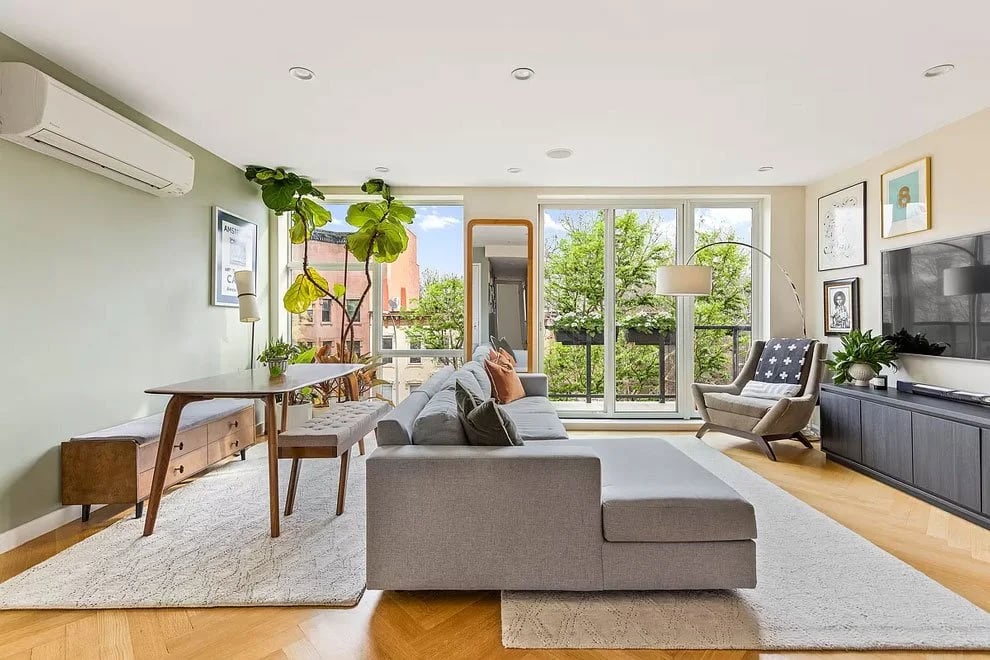
There’s nothing quite like a SoHo loft. That iconic mix of cobblestone streets, cast-iron facades, massive windows, and sun-drenched interiors makes this neighborhood one of the most coveted residential districts in the world.
But if you think buying a loft in SoHo is anything like buying a condo uptown or a brownstone in Brooklyn, let me stop you right there. It is not. After living in SoHo for ten years and working with countless buyers and sellers, I’ve seen every possible pitfall, surprise, and success story. This isn’t just real estate. It’s part art history, part engineering, part legal chess match.
To help you make the most intelligent possible decision, here is my deeply experienced due diligence checklist every SoHo loft buyer should keep on hand. This is not your average pre-purchase rundown. This is the one I use myself.
Know What Lies Beneath: Floor Joists and Structural Integrity
The bones of a building are everything. And in SoHo, the bones are often over 100 years old. Original wood joists, cast-iron columns, and brick walls were built to last, but they've often been through a lot.
Before you imagine your kitchen island or custom bookshelves, you need to know what the structure can actually handle. The condition of the joists plays a key role in sound transmission, weight distribution, and even safety during renovation.
Most buildings in SoHo were once commercial or light industrial spaces. That means structural loads were intended for manufacturing, not residential living. Yet time, use, and unregulated alterations can significantly change their capacity.
Key Questions to Ask
-
What material are the joists made of? Are they wood, steel, or a combination?
-
Has a structural engineer evaluated them recently?
-
Have there been any reinforcement or sistering projects in the past 20 years?
-
Have prior owners cut or notched joists to run plumbing or electrical?
Why It Matters
Overloaded or compromised joists can lead to floor sagging, cracking, and in rare cases, total structural failure. And because most renovations today include heavy items like stone counters or HVAC condensers, structural compatibility is non-negotiable.
When Character Equals Chaos: Sound and Noise Considerations
It’s one of the most charming aspects of loft life: the echo of an open space, the way voices and footsteps bounce off tin ceilings and hardwood floors. But once you’re living in it, that charm can turn into a constant headache.
Noise in SoHo lofts is multi-directional. You’re dealing with vertical noise from upstairs neighbors, lateral noise through shared walls, and environmental noise from the street. Soundproofing wasn’t a concern in 1880, and in many buildings, it still hasn’t been properly addressed.
Take this seriously. If you’re sensitive to noise, a beautiful space can quickly become intolerable.
Where Noise Comes From
|
Source |
Example |
Mitigation Options |
|---|---|---|
|
Vertical |
Upstairs footsteps, furniture dragging |
Insulated ceilings, resilient channels |
|
Lateral |
Shared walls, loud conversations, speakers |
Adding mass-loaded vinyl or new sheetrock |
|
Street |
Trucks, nightlife, early deliveries, street performers |
Soundproof windows, blackout shades |
Pro Tips
Visit during peak hours and weekends. Don’t rely on a quiet daytime showing. Check minutes from board meetings for past noise complaints. And if there’s a music school or gym in the building, think twice.
Elevators: The Forgotten Backbone of Loft Living
Most SoHo buildings are walkups or semi-modernized industrial properties that were later retrofitted with elevators. In many cases, there’s only one, and it might be used both for residents and freight.
When it comes to due diligence, elevator reliability is right at the top. If the elevator breaks, you could be facing a six-flight walk every day. Worse yet, you may be on hold with a building manager who’s already juggling three other repair jobs.
What You Should Review
-
Maintenance contracts and logs
-
Frequency of outages in the past 2 years
-
Modernization efforts and elevator age
-
Keyed access or open-call system
A building with one elevator that opens directly into each unit sounds glamorous, and it is. But if that elevator fails, you’re stuck. Also keep in mind that renovations will require exclusive elevator use. That can lead to scheduling conflicts or expensive usage fees.
Landmark Buildings and the LPC Maze
If you're looking at a loft in SoHo, chances are high it's in a landmarked building. That brings prestige, but also plenty of red tape. The Landmarks Preservation Commission (LPC) oversees all exterior modifications in landmark buildings and historic districts.
If you think you'll want to install new windows, add a roof deck, or even just repaint the facade trim, you’ll need to go through the LPC. And trust me, it’s a process.
LPC Must-Knows
-
Any visible exterior alteration must be approved
-
Even HVAC units on roofs are subject to LPC visibility rules
-
You’ll likely need a Certificate of No Effect or Certificate of Appropriateness before doing work
Examples of Projects Needing LPC Approval
|
Project Type |
Needs LPC Approval? |
Notes |
|---|---|---|
|
Replacing windows |
Yes |
Must match historic look |
|
Roof deck buildout |
Yes |
Visibility rules apply |
|
Signage or awning |
Yes |
Even temporary signage can be regulated |
|
Brick repointing |
Often |
Materials and color must match original |
LPC submissions can delay a renovation by months. Budget for both the filing and the time cost.
Building Type and Ownership Structure
Not all lofts are created equal, and neither are the entities that govern them. While many buyers assume they’re purchasing a condo, some SoHo buildings operate as co-ops or even as hybrid ownership structures with unique bylaws.
You might also encounter Artist-In-Residence (A.I.R.) buildings that were originally designated for working artists. While those restrictions are rarely enforced today, they can affect your loan approval or title insurance.
Types of Buildings in SoHo
|
Type |
Pros |
Cons |
|---|---|---|
|
Condo |
Easier financing, more autonomy |
Higher price per square foot |
|
Co-op |
Lower upfront cost |
More board oversight |
|
A.I.R. |
Historic appeal, artist legacy |
Legal ambiguity, financing complexity |
Always request the proprietary lease (for co-ops) or condo declaration, and read the building bylaws. The devil is in the details when it comes to usage, renovation rights, and resale flexibility.
Roof Rights and Basement Surprises
Many SoHo lofts advertise exclusive roof rights or basement studios, but those amenities come with caveats. Roof access can dramatically boost the appeal and value of a unit, but it also brings questions of structural integrity, code compliance, and legal use.
Basement spaces are often unfinished or partially finished. Some have laundry rooms, wine cellars, or even home offices. But you need to verify whether those uses are legal.
What to Clarify with Roof or Basement Features
-
Is the space deeded, or assigned by lease or board permission?
-
Is it structurally reinforced?
-
Does it meet egress and occupancy codes?
Make sure your attorney reviews the offering plan and deed for any ambiguity regarding ownership. You don’t want to invest in a roof garden only to learn it isn’t really yours.
Mechanical Systems: Heating, Cooling, and Electric Load
SoHo lofts weren’t designed with modern comfort systems in mind. If you’re planning on central air, electric ranges, or high-wattage appliances, make sure the building can support that kind of load.
Older buildings often have limited amperage coming into the unit. That may need to be upgraded with ConEd coordination. Additionally, plumbing lines in some lofts run longer distances to get to the wet stack, which can result in drainage issues or lower water pressure.
Checklist for Mechanical Due Diligence
-
Is the electric panel modern (100-200 amps)?
-
How is the heating controlled? Radiators, boilers, or independent?
-
Is central air possible, or are you stuck with ductless units?
-
Are there any signs of leaks around plumbing fixtures?
Have a licensed plumber and electrician assess the space before signing anything. They’ll tell you what’s possible and what’s costly.
Uncovering Legal and Title Complexities
Buying a loft in SoHo is rarely straightforward when it comes to title and usage. Because many buildings were converted from manufacturing spaces, old covenants, open violations, or partial conversions can linger in the shadows.
Some properties are covered under New York’s Loft Law, which originally protected tenants in unregulated buildings. Others may still have lingering rent stabilization ties, artist-only clauses, or unrecorded easements.
What Your Lawyer Should Investigate
-
DOB open violations or stop work orders
-
Old or expired Certificates of Occupancy
-
Loft Law entanglements
-
Illegal mezzanines or additions
These issues are not deal breakers, but they must be understood before you negotiate price or sign a contract.
Financing Challenges and Appraisal Gaps
Financing a SoHo loft is often more complicated than financing a traditional condo or co-op. Banks get nervous when buildings have limited reserves, one-of-a-kind layouts, or ambiguous governance structures.
Appraisers, too, have a hard time finding comparables. That can result in lowball valuations that jeopardize your mortgage.
What to Discuss with Your Lender
-
Will the building pass underwriting review?
-
Has the building had recent successful financing?
-
Can they work with artist-designated or hybrid buildings?
-
Are they familiar with boutique loft lending?
Talk to mortgage brokers who specialize in downtown Manhattan lofts. They will anticipate lender concerns and help navigate non-warrantable buildings.
Future-Proof Your Investment: Exit Strategy
Even if you plan to stay for decades, your exit strategy matters. Resale potential should influence how much you pay, how you renovate, and what kind of building you buy into.
Some buildings place heavy restrictions on renovations or subletting. Others may be stuck in legal limbo, scaring away future buyers. Make sure the unit you buy has enduring appeal and flexibility.
What Affects Resale
-
Sublet and resale restrictions
-
Renovation history and permit records
-
Noise complaints or pending litigation
-
Elevator or facade assessments
Look beyond the floorplan. Look at the building’s financials, legal status, and long-term maintenance outlook. If it’s a headache now, it’ll be twice the headache when you try to sell.
Ready to Buy a SoHo Loft? Let’s Make Sure You Get It Right
As someone who spent a full decade living and breathing SoHo life, I can tell you there is nothing quite like owning a loft here. The light, the space, the character — it’s everything that makes downtown New York magical.
But it only feels that way if you do it right. The romance of exposed brick and 14-foot ceilings fades quickly if you're dealing with elevator outages, structural surprises, or legal headaches. This checklist is your foundation, but there is no substitute for hands-on experience and a sharp team of professionals.
If you're thinking about buying a SoHo loft, let’s talk. I can help you assess the property, vet the building, and guide you through the nuances that only a decade of local living can teach you. From architectural pitfalls to board politics, I’ve seen it all.
Reach out today if you want your SoHo loft story to start on the right foot.