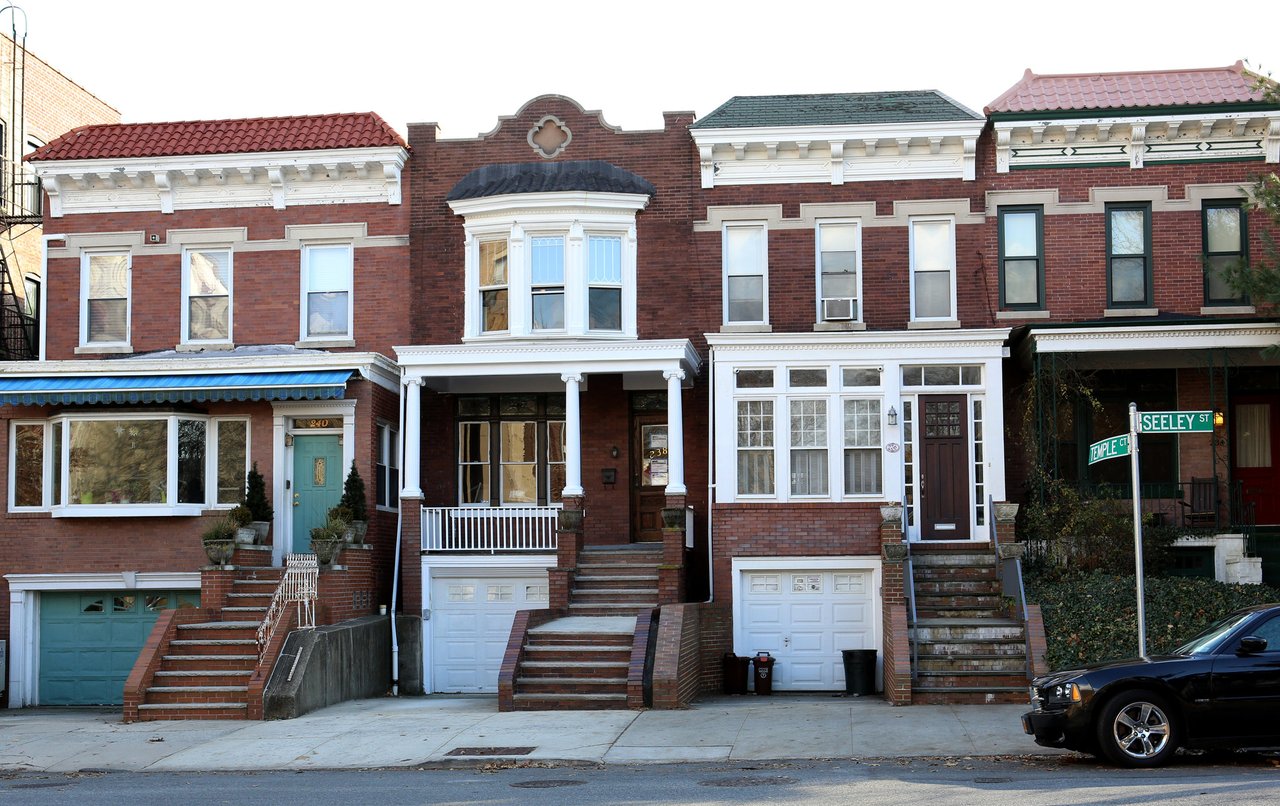
Buying a home in New York City is very different from buying property in most other markets. The city’s real estate market includes co-ops, condos, and townhouses, with intense competition for desirable properties. Because of this complexity, many buyers wonder whether the size of a real estate brokerage matters.
Some brokerages are large national firms with hundreds of agents and major marketing departments. Others are smaller boutique firms that focus on specific neighborhoods such as SoHo, Chelsea, or Park Slope. Buyers often assume that larger companies offer more opportunities, while smaller firms may offer more personal service.
The reality is more nuanced. Brokerage size can influence resources, support systems, and exposure to listings, but the agent representing you often matters far more. Understanding how brokerages operate in New York City can help buyers make smarter decisions and navigate the housing market with confidence.
Understanding How NYC Brokerages Work
Real estate brokerages in New York City operate as companies that support licensed agents who represent buyers and sellers. The brokerage provides legal oversight, marketing support, listing platforms, and brand recognition.
However, most of the actual work is handled by individual agents. These agents manage client relationships, conduct property searches, negotiate contracts, and guide buyers through closing.
In NYC, agents must also navigate unique property structures such as co-ops and condos. Co-op purchases often require board approval, extensive financial documentation, and strict application processes. A knowledgeable agent understands these procedures and helps buyers avoid delays.
Brokerages also provide access to the city’s primary listing platforms. Agents use tools like the RLS (Residential Listing Service) to find available properties across Manhattan and Brooklyn. This means buyers often see similar listings regardless of brokerage size.
The brokerage sets the environment and resources. The agent determines the quality of representation.
Boutique vs Large Brokerages in NYC
New York City has a mix of large national real estate firms and smaller boutique brokerages. Each type offers different advantages.
Large brokerages often have well-known brand names and extensive marketing departments. They may operate multiple offices across Manhattan and Brooklyn and employ hundreds of agents. Their listings may receive wide exposure through national marketing campaigns and large advertising budgets.
Boutique firms are typically smaller companies focused on specific neighborhoods or property types. Many specialize in areas like SoHo lofts, Upper West Side apartments, or Brooklyn brownstones.
Advantages of large brokerages:
-
Extensive marketing resources
-
Large internal agent networks
-
National and international buyer exposure
-
Brand recognition
Advantages of boutique firms:
-
Strong neighborhood expertise
-
More personalized service
-
Agents who specialize in niche property types
-
Often deeper relationships within local communities
For buyers, the right choice depends on the individual agent and the market segment they serve.
Why the Individual Agent Matters More
While brokerage size can influence resources, the real difference usually comes from the agent representing the buyer.
An experienced NYC real estate agent understands pricing trends, building reputations, and negotiation strategies. They know which buildings have strict co-op boards and which ones are more flexible.
Strong agents also build relationships with other brokers across the city. These connections can provide early access to listings before they appear publicly.
Important qualities buyers should look for include:
-
Local market knowledge
-
Recent transaction experience
-
Clear communication style
-
Strong negotiation skills
-
Familiarity with NYC contracts and closing procedures
A skilled agent can work effectively regardless of brokerage size. In many cases, buyers succeed because of the agent’s expertise rather than the company’s brand.
Access to Listings and Off Market Opportunities
Many buyers assume that large brokerages have access to more listings. In reality, most NYC properties appear on shared listing systems used by all licensed agents.
The Residential Listing Service allows agents from different firms to view and share listings across Manhattan and Brooklyn. This means buyers working with smaller brokerages still see the same inventory as those represented by large firms.
However, relationships within the industry can influence access to off-market opportunities. Some agents learn about listings before they are officially announced.
Off-market deals may include:
-
Apartments quietly marketed to select buyers
-
Listings preparing to launch publicly
-
Sellers testing interest before pricing
-
Private sales within broker networks
Agents with strong professional networks often hear about these opportunities first.
Negotiation Strategies in Competitive Markets
New York City real estate frequently involves competitive bidding situations. Popular neighborhoods such as Williamsburg, Chelsea, and the Upper East Side can attract multiple buyers for a single property.
In these scenarios, negotiation skill becomes extremely important.
A strong buyer’s agent helps clients prepare competitive offers while avoiding unnecessary risks. They understand when to move quickly and when to negotiate more carefully.
Effective negotiation strategies may include:
-
Understanding seller motivations
-
Structuring flexible closing timelines
-
Presenting strong financial documentation
-
Communicating effectively with listing agents
Brokerage size does not determine negotiation ability. Experienced agents develop these skills through years of transactions in competitive NYC markets.
How Brokerage Resources Can Help Buyers
Although the agent plays the primary role, brokerages still provide important support. Larger firms often have extensive marketing teams, legal departments, and administrative staff.
These resources can help manage complex transactions. They may also assist with marketing strategies when buyers later decide to sell their property.
Examples of brokerage resources include:
-
Market research and pricing data
-
Transaction coordination teams
-
Legal guidance for contracts
-
Professional photography and marketing support
-
Industry connections with lenders and attorneys
Boutique firms may offer fewer internal departments but often provide more direct involvement from senior brokers.
Ultimately, both models can support successful transactions when paired with the right agent.
Questions Buyers Should Ask Before Hiring an Agent
Choosing the right real estate agent is one of the most important decisions a buyer makes. Instead of focusing only on brokerage size, buyers should evaluate the agent’s experience and approach.
Helpful questions include:
-
How many transactions have you completed in the past year?
-
Which NYC neighborhoods do you specialize in?
-
What types of properties do you typically represent?
-
How do you help buyers compete in multiple offer situations?
-
What is your strategy for finding off-market listings?
Buyers should also pay attention to communication style. The NYC market moves quickly, so responsive agents provide a major advantage.
Platforms like DecodeNYC help buyers better understand how NYC brokerages operate and how to evaluate agents before making important real estate decisions.
Frequently Asked Questions
Does a larger brokerage mean better service?
Not necessarily. Service quality depends mainly on the individual agent. A skilled agent at a smaller brokerage may provide better guidance than a less experienced agent at a large firm.
Do large brokerages have access to more listings?
Most NYC listings appear on shared systems used by all licensed agents. Buyers typically see similar property options regardless of brokerage size.
Are boutique brokerages better for neighborhood expertise?
Many boutique firms specialize in specific neighborhoods. This can provide deeper knowledge of local buildings, pricing trends, and market dynamics.
Should buyers focus on the brokerage or the agent?
Buyers should focus primarily on the agent’s experience, communication style, and recent transaction history. The brokerage provides support, but the agent handles most of the work.
Making Smart NYC Brokerage Decisions
Choosing a real estate brokerage in New York City is less about company size and more about finding the right professional to guide the process. Large firms may offer broad resources and strong brand recognition, while boutique brokerages often provide specialized neighborhood knowledge and more personalized attention. For most buyers, the individual agent’s experience, negotiation skills, and understanding of the NYC market make the biggest difference. Taking time to evaluate agents carefully can lead to better outcomes and smoother transactions. Resources from DecodeNYC can also help buyers learn how brokerages operate and make informed decisions when navigating the complex New York City housing market.