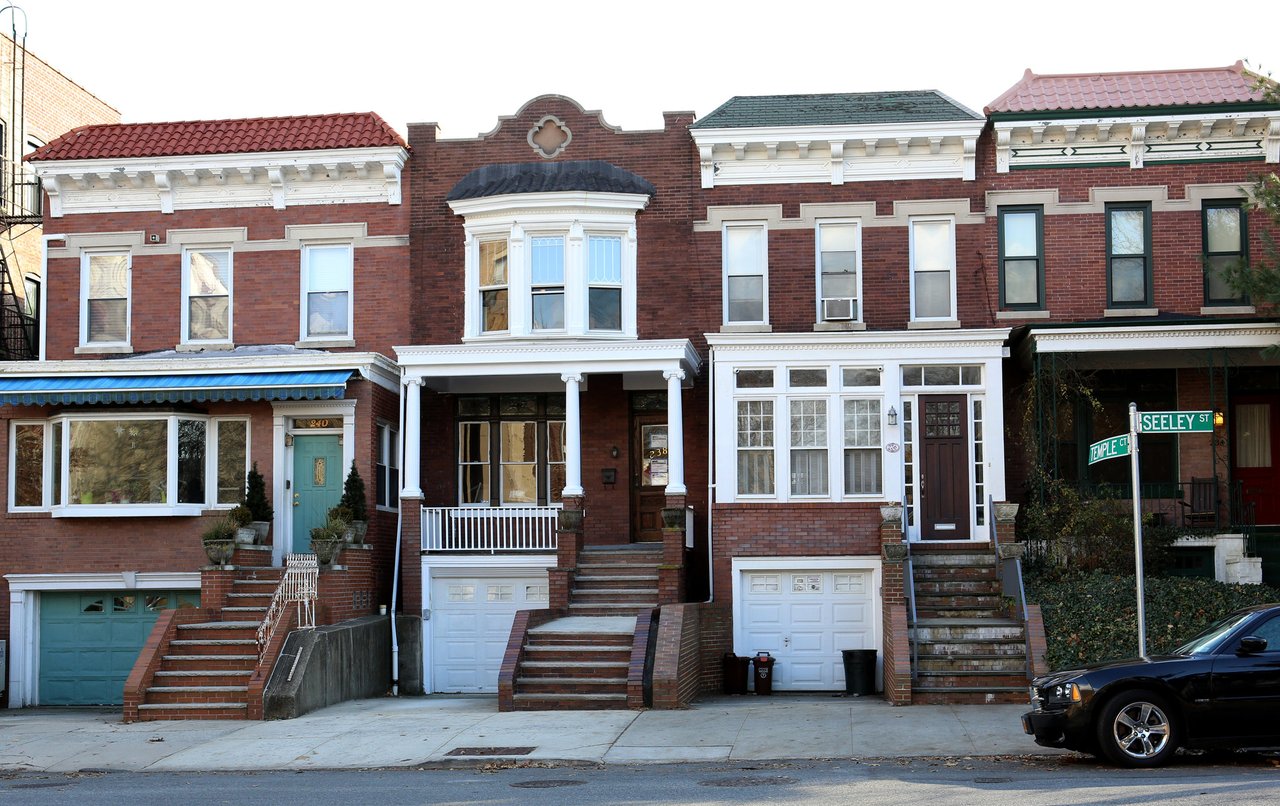
At the beginning, it did not feel like a legacy decision. It felt like a practical one. A down payment was needed, prices were rising, and rent was swallowing momentum. The parents saw an opportunity to help, but they were cautious. They did not want to give money away without intention, and they did not want to create future complications.
What changed their thinking was the realization that a down payment was not just cash. In New York City, a down payment could become the foundation of something far larger if it was placed correctly and structured carefully.
They were not trying to build a dynasty. They were trying to make one smart decision that would not need to be undone later.
Why the Down Payment Was Treated as Capital, Not a Gift
The parents resisted the idea of treating the down payment as a simple gift. They understood that cash given casually often disappears into short-term relief rather than long-term value. Their goal was not generosity for its own sake, but durability.
They began to view the down payment as capital that needed to work. It had to produce stability, flexibility, and optionality over time. That mindset changed every subsequent decision.
Once the down payment was framed as an asset, not an expense, the strategy became clearer.
Choosing Real Estate Because It Compounds Quietly
Real estate in New York City behaves differently than many other assets. Scarcity, demand, and long-term resilience mean that well-chosen property often compounds value quietly rather than dramatically.
The parents recognized that placing a down payment into NYC real estate would not require constant management or risk-taking. It would sit, stabilize housing, and grow gradually.
This slow compounding aligned with their temperament and long-term goals.
Why Timing Made the Difference
The down payment would have meant far less if it arrived later. Prices were already moving upward, and rent was compounding against savings. Waiting would not preserve value. It would reduce impact.
By acting when their child was ready to buy rather than waiting for perfect conditions, the parents captured timing that could not be replicated later.
The same amount of money would not have achieved the same outcome even a few years down the line.
Structuring Ownership to Preserve Flexibility
The parents did not rush ownership decisions. They understood that who held title mattered as much as how much money was contributed.
Initially, ownership was structured to reduce friction and risk. Control was retained where necessary, and a clear plan was established for how ownership could evolve over time.
This avoided the common mistake of locking families into rigid arrangements that become inefficient later.
Turning Housing Stability Into a Long-Term Anchor
The immediate benefit of the down payment was housing stability. Rent volatility disappeared. Monthly costs became predictable. Planning extended beyond the next lease cycle.
This stability created second-order effects. Career decisions became less reactive. Savings resumed. Stress levels dropped.
The down payment did more than buy property. It anchored a life.
Equity Became the Quiet Engine
As years passed, equity accumulated steadily. No one focused on it daily. There were no dramatic moments. It simply grew in the background.
What began as a down payment slowly transformed into a meaningful ownership stake. That equity represented optionality rather than obligation.
It could be borrowed against, transferred, or held. It did not demand immediate decisions.
Why This Asset Was Designed to Outlive the Parents
From the start, the parents asked a long question. Could this decision still make sense after we are gone.
That question guided structure, documentation, and planning. The asset was not tied to a single moment or person. It was positioned to persist.
The goal was continuity rather than control.
Multi-Generational Value Does Not Require Complexity
What surprised the family most was how simple the core decision was. No exotic vehicles. No aggressive leverage. No complex tax maneuvers.
The value came from placement and patience. A well-timed down payment in a resilient market did most of the work on its own.
Complexity was avoided because durability was the priority.
How the Down Payment Reduced Future Family Pressure
One unexpected benefit was how much pressure it removed from future decisions. Because housing was stabilized early, there was less need for emergency help later.
The parents were not asked to step in repeatedly. Support tapered naturally. The asset absorbed stress that otherwise would have surfaced in family dynamics.
Early structure prevented long-term entanglement.
Why This Did Not Create Dependence
There was initial concern that early help might create reliance. Instead, it created confidence.
With housing secure, the child took on more responsibility, not less. Financial planning became proactive rather than reactive.
The down payment removed a barrier without removing accountability.
The Asset Became Part of the Family Narrative
Over time, the property stopped being just an apartment. It became part of the family story.
It represented foresight rather than excess. Collaboration rather than rescue. Planning rather than luck.
That narrative mattered as much as the financial return.
Preparing for the Next Transition
Because the asset was structured thoughtfully, future transitions felt manageable rather than threatening. Marriage, relocation, or family growth could be accommodated.
Options existed. Nothing felt locked in. The asset adapted as life evolved.
That flexibility is what made it truly multi-generational.
Why This Strategy Works Especially Well in NYC
New York City amplifies both mistakes and smart decisions. Scarcity rewards early, well-placed capital. Delay increases cost rather than reducing risk.
In this environment, a down payment placed thoughtfully can echo across decades.
The city does not forgive passivity, but it rewards intention.
What Other Families Often Miss
Many families focus on how much help to give rather than how that help will behave over time. Amount feels tangible. Structure feels abstract.
This family reversed that priority. They focused on behavior first and amount second.
That shift made the difference between a one-time gift and a lasting asset.
A Down Payment Is Only Small at the Beginning
What starts as a down payment does not stay a down payment. In the right conditions, it becomes equity, stability, and optionality.
Its power lies in what it enables, not in its initial size.
This family understood that early.
Final Perspective
These parents did not set out to create a multi-generational asset. They set out to make one careful decision that would not need correction later.
By treating a down payment as capital, choosing timing intentionally, and structuring for flexibility, they allowed value to compound naturally.
In New York City, that approach often turns a single moment of help into a legacy that lasts.