Buying a loft in SoHo is very different from purchasing a typical New York City apartment. The neighborhood is known for its historic cast-iron buildings, large open spaces, and unique architectural character. Many properties were once industrial buildings that have been converted into residential lofts. Because of this history, the buying process can involve zoning rules, building restrictions, and ownership structures that are uncommon elsewhere in Manhattan.
SoHo lofts are also some of the most sought-after properties in the NYC real estate market. Buyers compete for limited inventory, and prices can be significantly higher than standard apartments. Understanding the types of buildings, legal restrictions, and financial considerations is essential before making an offer.
This guide explains how loft purchases work in SoHo, what buyers should watch for, and how to approach the process strategically in the competitive Manhattan housing market.
Understanding the Different Types of SoHo Lofts
Not every loft in SoHo is the same. Many buyers assume that a loft simply means a large open apartment, but the legal structure of the building can vary significantly. Some lofts are located in cooperative buildings, while others are condominiums or sponsor units.
Co-op lofts are common in older SoHo buildings. In this structure, buyers purchase shares in a cooperative corporation that owns the building rather than owning the apartment directly. The co-op board reviews financial documents and can approve or reject buyers. This process can take weeks or even months.
Condo lofts are less common but often easier for buyers. Condominium ownership means buyers own the unit directly and board approval is usually simpler. Because of this flexibility, condo lofts in SoHo often command higher prices than similar co-op units.
Another category buyers may encounter is artist live-work lofts. Historically, some SoHo buildings were zoned for certified artists who used the space as both studio and residence. While many of these restrictions have evolved over time, buyers should still confirm whether a building has any remaining eligibility requirements.
Zoning and Legal Use Considerations
One of the most important steps when buying a loft in SoHo is confirming that the unit is legally configured for residential use. Many buildings were originally commercial or industrial spaces before being converted into homes.
In some cases, buildings went through official residential conversion processes. These properties typically have clear certificates of occupancy that allow residential living. Buying in these buildings is generally straightforward for lenders and attorneys.
However, some lofts were converted informally decades ago. In these cases, the space may technically be classified as commercial or joint live-work space. This can affect mortgage approvals, insurance coverage, and resale value.
Buyers should always review building documentation with a real estate attorney. Important documents include the certificate of occupancy, offering plan, and building bylaws. These records confirm whether the unit is legally recognized as residential and whether any restrictions apply.
Ignoring zoning details can create serious problems later. For example, a buyer may discover that renovations require special permits or that the building cannot legally operate as a full residential property.
What Makes SoHo Lofts So Valuable
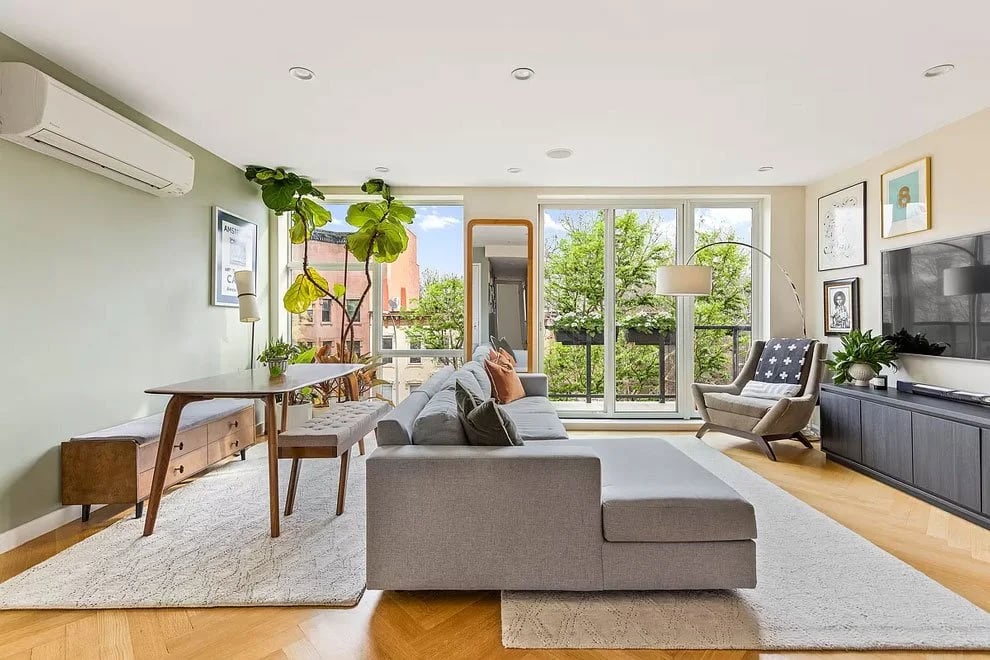
SoHo lofts attract buyers because of their unique design and limited supply. Unlike modern high-rise apartments, loft buildings offer wide open layouts, high ceilings, and large industrial windows that allow natural light to fill the space.
Many buildings also feature architectural elements that cannot easily be recreated today. Cast-iron facades, exposed brick walls, and heavy timber beams give SoHo lofts a distinctive character. These features make them appealing to buyers looking for something different from typical Manhattan apartments.
Location also plays a major role in pricing. SoHo sits between several major Manhattan neighborhoods including Tribeca, Nolita, and the West Village. The area is known for its restaurants, boutiques, galleries, and historic streets.
Because inventory is limited, lofts often attract strong demand. It is not unusual for well-priced units to receive multiple offers shortly after listing. Buyers who want a SoHo loft should be prepared to move quickly when the right property appears.
Financial Factors Buyers Should Evaluate
Buying a loft involves many of the same financial considerations as other NYC real estate purchases, but certain details are especially important.
Buyers should carefully review the building’s financial health. In co-op loft buildings, this includes examining the building’s reserve funds, outstanding debt, and maintenance trends. Buildings with strong financial reserves are generally more stable and less likely to impose unexpected assessments.
Monthly costs can also vary widely. Maintenance charges in co-ops cover building expenses such as property taxes, staff salaries, and maintenance of common areas. Condo lofts typically have common charges plus separate property taxes.
Buyers should also prepare for higher purchase prices compared with standard apartments. Because lofts are larger and rarer, the price per square foot can be significantly higher than nearby non-loft properties.
Additional costs may include closing fees, mansion taxes for higher-priced properties, and renovation budgets. Many buyers plan renovations after purchasing a loft because the open layouts allow significant customization.
Important Things Buyers Should Check
Before purchasing a SoHo loft, buyers should conduct careful due diligence. These properties often come with unique features that require closer review than a typical apartment.
Important factors include:
Building Financial Stability
Review the building’s financial statements to understand reserves, debt levels, and recent capital projects. Strong finances reduce the risk of large assessments.
Renovation Rules
Lofts often invite renovation ideas, but buildings may have strict alteration policies. Buyers should confirm what changes are allowed and whether approvals are required.
Maintenance and Monthly Costs
Compare maintenance or common charges with similar buildings in the neighborhood. Higher costs may reflect building amenities or staffing levels.
Certificate of Occupancy
Confirm the legal status of the building and unit. This ensures the loft is approved for residential use.
Neighborhood Market Trends
Study recent sales in SoHo and nearby neighborhoods. Understanding price trends helps buyers determine whether a listing is priced fairly.
Careful research before making an offer helps buyers avoid surprises later in the process.
Common Mistakes Buyers Make When Purchasing Lofts
Even experienced NYC buyers can make mistakes when purchasing loft properties. These mistakes often happen because loft buildings differ from standard apartments.
One common mistake is focusing only on design while ignoring building finances. Buyers may fall in love with the space but overlook financial issues such as building debt or upcoming repairs. These factors can affect long-term costs.
Another mistake is assuming renovations will be easy. While lofts provide flexible layouts, buildings often require architectural plans, board approval, and city permits before renovations begin. This can extend timelines and increase costs.
Some buyers also underestimate competition. Because inventory is limited, well-priced lofts may receive multiple offers. Buyers who hesitate too long can lose opportunities in a fast-moving market.
Working with experienced real estate professionals who understand SoHo loft buildings can help buyers navigate these challenges more effectively.
Frequently Asked Questions
Are loft apartments in SoHo usually co-ops or condos?
Many SoHo loft buildings operate as cooperatives, especially older conversions. Condo lofts exist but are less common and usually sell at higher prices.
Can anyone buy an artist loft in SoHo?
Some older buildings were originally designated for certified artists. While many restrictions have changed, buyers should confirm whether any eligibility rules still apply.
Are SoHo lofts more expensive than regular NYC apartments?
In many cases, yes. Their large size, unique design, and limited availability often result in higher prices compared with standard Manhattan apartments.
Do lofts require renovations after purchase?
Not always, but many buyers choose to renovate to customize the open layout. Renovations may require building approval and permits depending on the scope of work.
Navigating the SoHo Loft Market
Buying a loft in SoHo requires more research than purchasing a typical New York City apartment. Buyers must understand building ownership structures, zoning history, and financial conditions before moving forward. Careful due diligence helps avoid legal issues and ensures the property meets residential requirements.
The reward for navigating these complexities is ownership of one of Manhattan’s most distinctive property types. SoHo lofts offer character, architectural history, and spacious layouts that are difficult to find elsewhere in the city.
DecodeNYC helps buyers and sellers better understand how New York City real estate works. The platform explains topics such as building finances, negotiation strategies, and the differences between co-ops and condos across neighborhoods like Manhattan and Brooklyn.