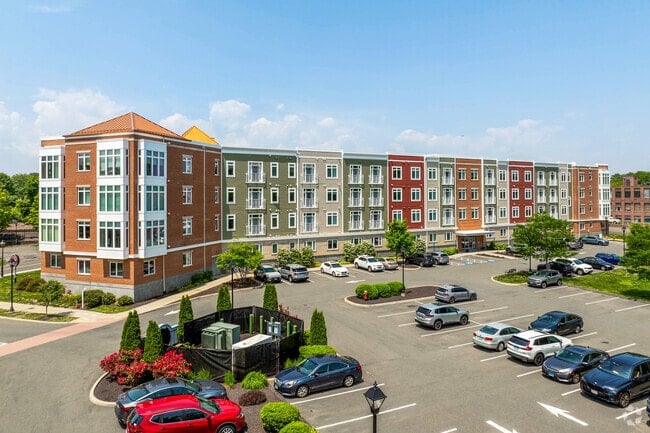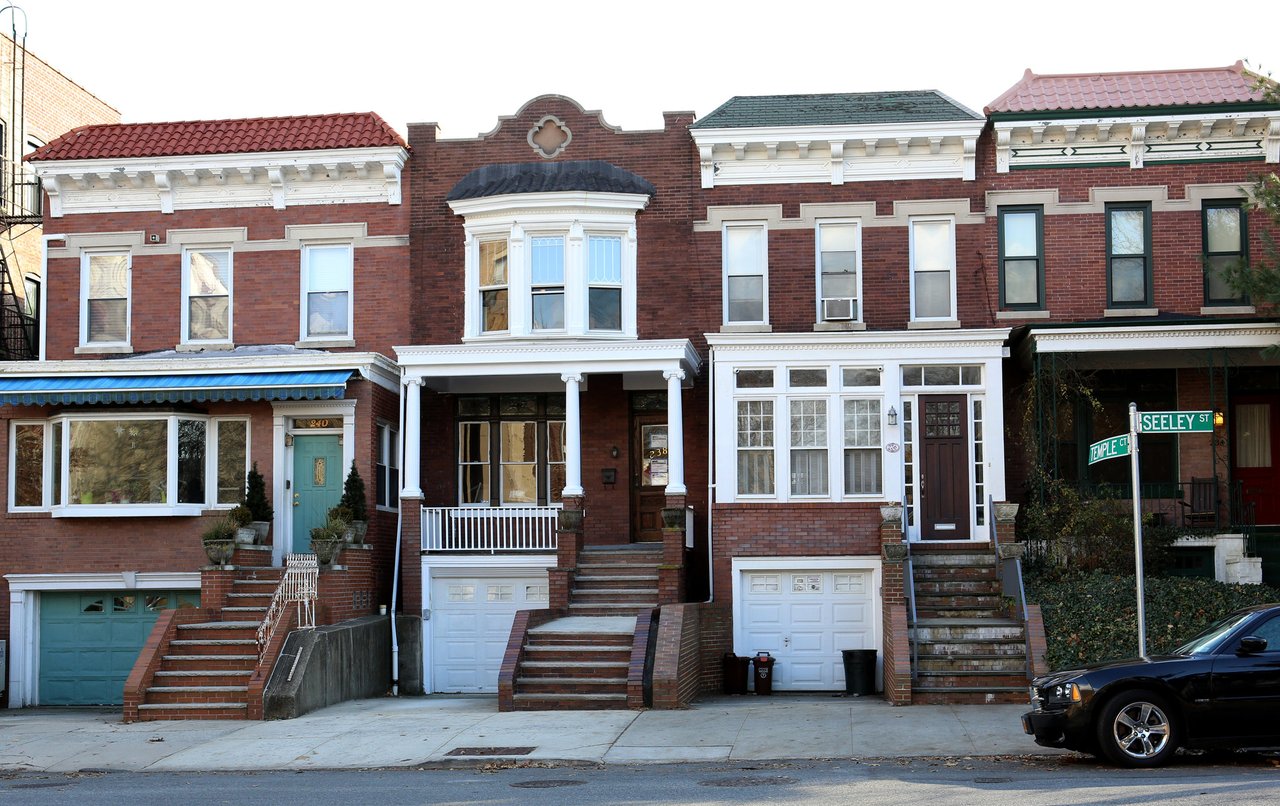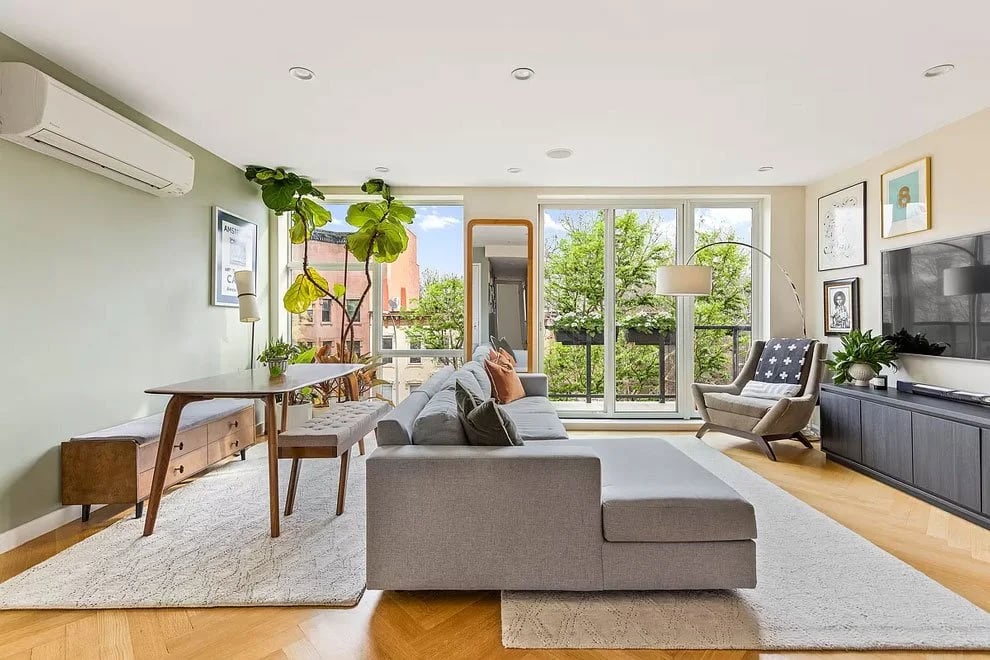
Buyers in today’s market often face a critical decision: purchase a brand-new development or opt for a resale property. The gleam of untouched appliances, sparkling finishes, and curated amenity packages can be enticing. However, these features usually come at a noticeable cost. On average, new developments demand a premium of 10 to 30 percent above comparable resale inventory.
But is that extra cost justified? Or is it a polished illusion that masks a less attractive investment reality? At Decode, we evaluate this choice through a data-informed, buyer-first lens to understand when, and for whom, new development is truly worth it.
Let’s walk through the components of the premium, examine the investment calculus, and explore our proprietary method for assessing true value.
The Premium Explained
The higher price tag of new developments isn’t just a function of design trends or marketing. It is built into the bones of the property, the structure of the building, and the future assumptions buyers are asked to accept. Many of these costs are embedded, while others are clearly labeled, but all affect your bottom line.
Before diving into resale potential or investment outcomes, it’s critical to understand what you are actually paying for.
Newness and First-Use Appeal
There is something undeniably appealing about being the first occupant of a home. The appeal is emotional, psychological, and even logistical. No nail holes in the walls. No scratched floors or worn tiles. No questionable design decisions by prior owners. Everything feels like it was built just for you.
Beyond emotion, there is a measurable value in newer systems, finishes, and layouts. Many new developments include open kitchens, larger windows, higher ceilings, and smart-home integrations. These are features that resonate strongly with modern buyers and tenants, which can help support value over time.
However, this freshness is temporary. The shine wears off quickly, and the market may not place the same premium on “lightly used” that it does on “never lived in.” This is a key consideration for buyers hoping to sell within five years.
Amenity Packages
Modern developments have shifted from simple lobbies and laundry rooms to fully programmed lifestyles. Amenity offerings are now often the centerpiece of the development’s marketing strategy.
Typical new development amenities may include:
|
Standard Amenities |
Luxury/High-End Add-ons |
|---|---|
|
Doorman and Concierge |
Private Dining Suites |
|
Gym or Fitness Studio |
Golf Simulators |
|
Resident Lounge |
Pet Grooming Stations |
|
Rooftop Access |
Co-working Spaces |
|
Package Room |
Spa or Wellness Suites |
While attractive, these features can significantly increase monthly common charges. For buyers not planning to use every amenity, it is worth asking how much you are subsidizing services you do not need. And for investors, it is essential to know whether renters in that market will value the same features.
Carrying Costs and Delayed Use
New developments often involve delayed closings, especially for pre-construction or early-in-phase sales. Buyers may sign contracts and put down significant deposits long before they receive keys or can generate rental income. During this time, their capital is tied up without utility or return.
In addition to delays, buyers may face developer-specific costs, including:
-
Transfer taxes and filing fees
-
Higher legal fees (due to more complex contracts)
-
Initial capital contributions to the condo board
And while tax abatements can lower carrying costs temporarily, they do not last forever. Once expired, taxes can jump significantly, mainly if assessed based on the purchase price rather than comparable resales.
Understanding the complete financial commitment over time is essential to making an informed choice.
Viewing the Purchase Through an Investment Lens
Every real estate purchase is an investment, whether or not the buyer identifies as an investor. Value growth, future resale, cost of ownership, and liquidity all play roles in determining whether new development is a wise financial move.
Looking through an investment lens helps strip away the novelty of “brand new” and replaces it with measurable outcomes.
Resale Trajectory and Competition
One of the largest risks for buyers in new development is becoming part of the resale market within a relatively short time frame. Buyers who expect to upgrade within five to seven years often find that their once-new unit is now competing with the next phase of construction in the neighborhood.
Even in stabilized buildings, resale pricing is affected by:
-
Ongoing construction nearby
-
How quickly other units in the same building come online
-
Whether the design and amenities hold long-term appeal
A unit that was market-leading when purchased can feel outdated just a few years later, especially in fast-developing corridors.
At Decode, we analyze building turnover rates and historical resale discounts to understand whether a new development is likely to retain its premium or slip toward market averages.
Monthly Cost Differences
It is not just the purchase price that matters. Ownership cost over time plays a massive role in long-term financial value.
Consider the following example:
|
Category |
New Development |
Resale Property |
|---|---|---|
|
Purchase Price |
$1,500,000 |
$1,300,000 |
|
Common Charges |
$1,750/month |
$1,050/month |
|
Real Estate Taxes |
$250/month (abated) |
$1,200/month |
|
Insurance & Misc |
Similar |
Similar |
In year one, the new development appears more attractive due to the tax abatement. However, when the abatement expires, the new development’s taxes may rise to or above resale levels. Coupled with higher monthly fees, this increases the total cost of ownership.
We forecast these changes to help clients avoid being surprised down the road.
Neighborhood Timing and Growth Patterns
New developments are often positioned as the vanguard of an “up-and-coming” neighborhood. This can be a fantastic opportunity or a clever illusion.
Key indicators of genuine neighborhood appreciation include:
-
Infrastructure upgrades (transit lines, schools, parks)
-
Commercial anchors (major grocers, coffee chains, boutique retail)
-
Density of new development over time
Buying in the early phase of a well-planned neighborhood transformation can deliver meaningful appreciation. But buying the last unit in an overbuilt, slow-absorbing corridor may lead to years of stagnant value.
Our neighborhood reports track historical appreciation rates and upcoming development pipelines to guide buyers toward smart, future-proof locations.
The Decode Method: Tailored, Transparent Analysis
Every buyer brings different needs, timelines, and financial situations to the table. That is why a one-size-fits-all answer does not work when comparing new development to resale.
At Decode, we use a client-specific framework to model outcomes, assess risks, and provide clear recommendations. We call this our Decode Method, and it is what sets us apart.
Understanding Buyer Profiles
The very first step is understanding the buyer’s profile. This includes financial considerations, lifestyle preferences, short-term plans, and long-term goals.
Some typical profiles might be:
-
First-time buyer planning to upgrade in 3–5 years
-
Long-term homeowner seeking a primary residence
-
Investor targeting yield and appreciation
-
Pied-à-terre buyer valuing flexibility and simplicity
Each of these profiles values different things and has different tolerances for risk, holding time, and upfront cost.
Assessing Value Beyond Price Per Square Foot
Traditional analysis focuses heavily on price per square foot. But this metric often ignores factors that truly matter to end-users, such as:
-
Functional layout
-
Natural light
-
Privacy
-
Storage space
-
Quality of finishes
-
Building reputation
Decode’s proprietary Price Per Value score weights these factors to provide a truer comparison of what buyers are getting for their money.
We believe a beautiful, livable 1,000-square-foot apartment may outperform a cheaper but awkwardly laid-out 1,100-square-foot one every time.
Modeling Ownership Scenarios
One of our most powerful tools is scenario modeling. We show clients how their ownership experience could differ between two properties, often side by side, including:
-
Entry costs
-
Total five-year ownership cost
-
Likely resale range based on comparable properties
-
Rentability and projected income if plans change
This allows buyers to see not only what feels good on day one but also what works best in year five.
Market Supply and Demand Mapping
We map current and future supply, down to the building level, to understand how much competition a new development unit might face in a resale scenario. This includes absorption rates, price stagnation risks, and whether incentives offered by the sponsor could impact resale values.
Buyers purchasing at or near the top of the market cycle, especially in saturated areas, need to be cautious. Our data helps flag those risks before contracts are signed.
Case Examples: Decode In Action
Real data and real stories can reveal how theory plays out in practice. Here are three client examples from recent Decode engagements where we compared new development and resale options.
The Upgrader: Midtown Condo Purchase
-
Profile: Early 30s couple, no kids yet
-
Budget: $2M
-
Goal: Purchase now, upgrade in 5–7 years
-
Decision Point: Boutique new development with 2-bed, 2-bath layout vs. resale in luxury co-op
Analysis Highlights:
-
Resale had lower monthlies, stronger comps, and greater liquidity
-
New development had better finishes, but limited building resale history
Outcome: Purchased resale. After three years, the unit appreciated 8.7 percent, while the new development had still not reached full occupancy.
The Investor: Brooklyn Rental Portfolio
-
Profile: Out-of-state investor
-
Goal: High cap rate and long-term equity growth
-
Options: New 1BR in Greenpoint vs. Resale 2BR in Crown Heights
Decode Modeling:
-
Greenpoint unit offered low taxes but would not be rentable for 14 months
-
Crown Heights unit offered immediate rental income and a stabilized neighborhood
Outcome: Chose resale. Realized 5.4 percent annual yield and 11 percent equity growth in 24 months.
The Forever Buyer: Upper East Side
-
Profile: Empty nesters downsizing from the suburbs
-
Budget: $3.5M
-
Goal: Primary residence for the next 15–20 years
-
Comparison: Full-floor resale with traditional layout vs. new development duplex penthouse
Decode Considerations:
-
Long-term ownership supported higher upfront cost
-
New development had better elevators, HVAC, and ADA compliance
Outcome: Purchased new development. Value appreciated modestly, but owner satisfaction remained extremely high.
Ready to Make the Right Move? Let’s Decode It Together
Deciding between new development and resale is one of the most nuanced choices a buyer can make. The premium you pay for new construction might offer real value but only when it aligns with your lifestyle, timeline, and financial goals.
At Decode, we bring clarity to the chaos. With a proprietary analytical model, decades of market experience, and a client-first approach, we help buyers make confident, well-informed decisions rooted in data and tailored to their lives.
Whether you’re buying your first home, trading up, or looking to build a portfolio, our team is ready to help you decode the decision.
Let’s start your journey.
Request a sample, Decode report, or schedule your complimentary consultation today.