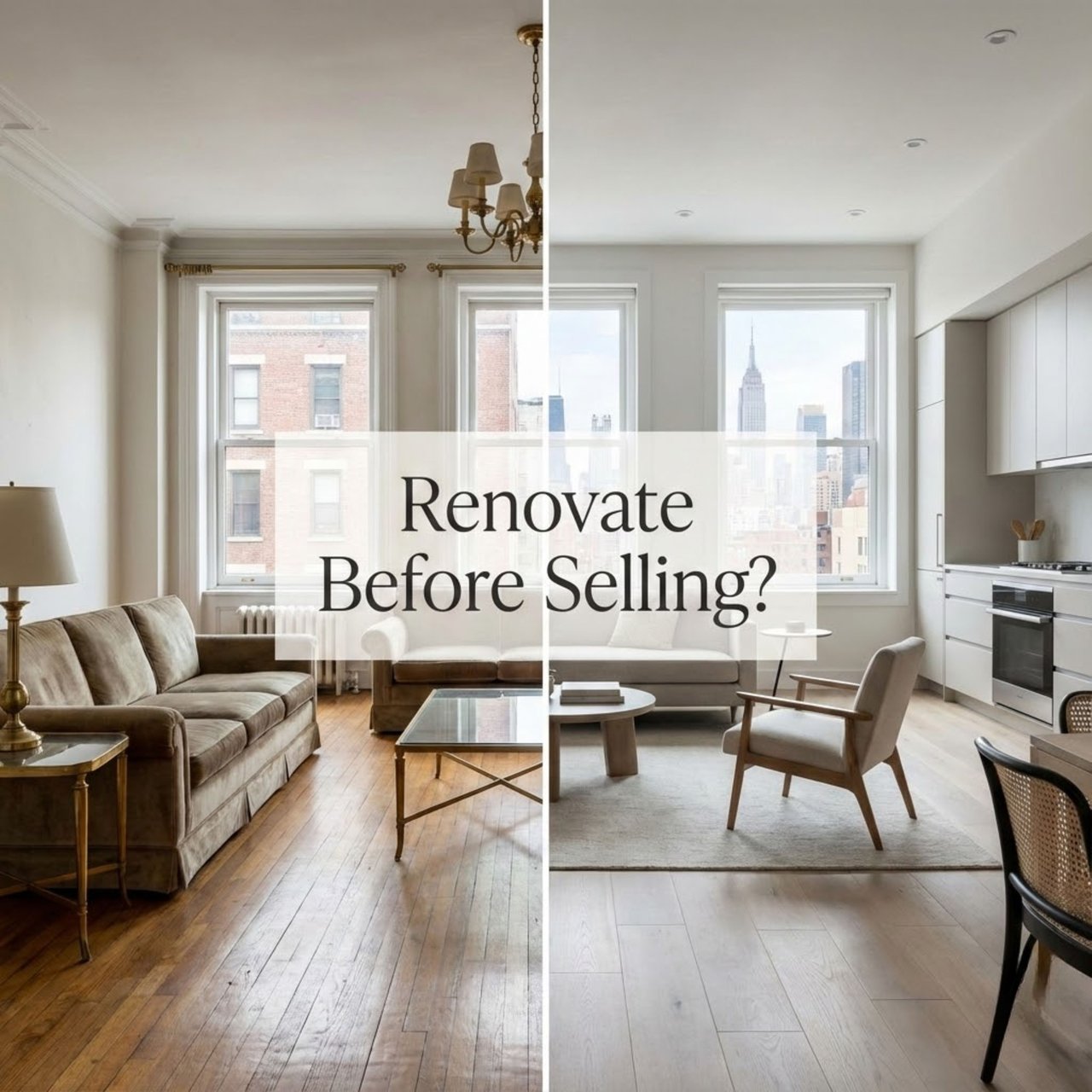
Selling an estate apartment involves a unique mix of timing pressures, financial constraints, and market psychology. Many estate representatives wonder if a renovation will raise the sale price or simply extend the process with a limited return.
In New York City, the answer depends on buyer demand in the building, the condition of comparable units, and the estate’s ability to manage approvals and carrying costs. A thoughtful review usually gives a more straightforward path than assuming all renovations add value.
How Renovation Influences Price and Buyer Interest
A renovated space often attracts broader interest, yet not all buyers want a finished apartment. Many prefer original-condition homes that they can remodel to their personal standards. This split becomes sharper in co-ops with long ownership histories and older layouts.
The pricing spread between renovated and unrenovated units varies by neighborhood. You can see patterns in areas similar to Park Slope by reviewing our guide here: https://decodenyc.com/neighborhoods/park-slope
Market data shows that updated apartments may sell faster, but only when the renovation style matches current buyer expectations. Outdated upgrades rarely add value and may discourage high-quality offers.
When a Renovation Makes Sense for an Estate
Renovation can be worthwhile when the building exhibits clear price separation between modernized and estate-condition units. Estates should weigh cost, timeline, and board restrictions before making any commitments.
-
The layout supports simple improvements without significant structural changes
-
Renovated units in the building show strong sales prices
-
The estate has the liquidity to carry the apartment during the process
Renovations usually help in mid-sized condos or well-managed co-ops where updated homes appeal to incoming buyers. For reference, some new development listings show how finishes influence value. One example is 77 Greenwich:
https://decodenyc.com/new-development/77-greenwich
Situations Where Selling As Is Is the Better Path
Many estates ultimately choose to list without renovation. Older apartments often need full electrical upgrades, plumbing modernization, and layout adjustments. These projects take months and require extensive board review.
Buyers who target estate-condition homes understand the scope of work and will often pay a price that reflects the potential. These buyers tend to be analytical, patient, and ready to begin construction soon after closing. In many buildings, this group represents a stable segment of demand.
Pricing for estate condition listings should highlight value, proportion, and light rather than finishes. This allows the market to respond to the apartment’s strengths rather than its age.
Understanding Buyer Psychology in Estate Sales
Estate buyers operate differently from buyers who target turnkey units. Some prioritize convenience and will pay more for a ready space. Others look for long-term potential and expect to complete a full renovation. The estate’s strategy should match the audience most likely to deliver the best net result.
Seller decisions often benefit from reviewing broader selling guidance. For comparison, you can see how updated and original units perform in this article:
https://decodenyc.com/blog/selling-a-renovated-vs-unrenovated-apartment
Clear pricing, realistic timelines, and organized estate paperwork help buyers feel confident, even when the home needs full modernization.
How Executors Can Approach the Decision
Executors should follow a deliberate process before approving any renovation. This reduces risk and keeps the estate aligned with legal and financial requirements.
-
Request pricing estimates for both renovated and unrenovated scenarios
-
Confirm alteration rules and possible restrictions within the building
These steps bring structure to a decision that often feels uncertain, especially when multiple heirs are involved.
Final Steps for a Balanced Estate Strategy
Renovation can add value, but only under the right conditions. Most estates benefit from a clean out, light repairs, and thoughtful staging rather than full-scale construction. A measured approach keeps the timeline manageable while allowing buyers to see the apartment’s potential.
If you want guidance on preparing an estate apartment for the market, reach out anytime.