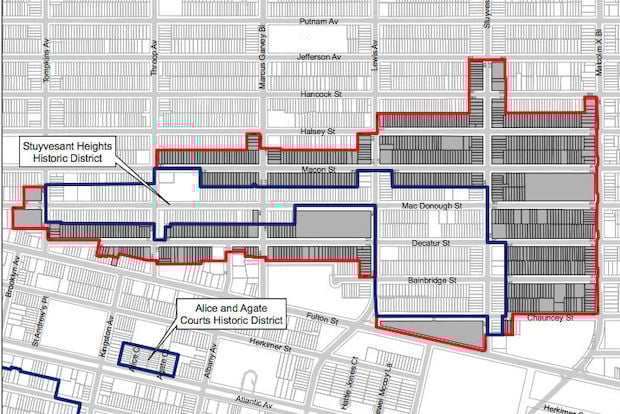
When exploring Brooklyn’s architectural and cultural history, Stuyvesant Heights stands out as one of its most authentic and evolving neighborhoods. The Stuyvesant Heights map is more than a collection of streets; it is a visual record of how this historic section of Bedford-Stuyvesant has transformed from its brownstone roots into one of New York’s most sought-after residential communities.
At Decode Real Estate, our work in Stuyvesant Heights Brooklyn is grounded in firsthand experience. We not only understand the neighborhood’s buildings and blocks, but also its development patterns, buyer profiles, and the unique timelines for renovating or purchasing within landmark zones.
The Layout and Boundaries of Stuyvesant Heights
Stuyvesant Heights is located in the central part of Bedford-Stuyvesant in Brooklyn. Its borders are generally defined by Malcolm X Boulevard to the east, Tompkins Avenue to the west, Fulton Street to the south, and Macon Street or Halsey Street to the north, depending on which version of the Stuyvesant Heights map is referenced.
The district’s architecture, transit connections, and block compositions reflect a mix of preservation and modern reinvention that defines much of north-central Brooklyn.
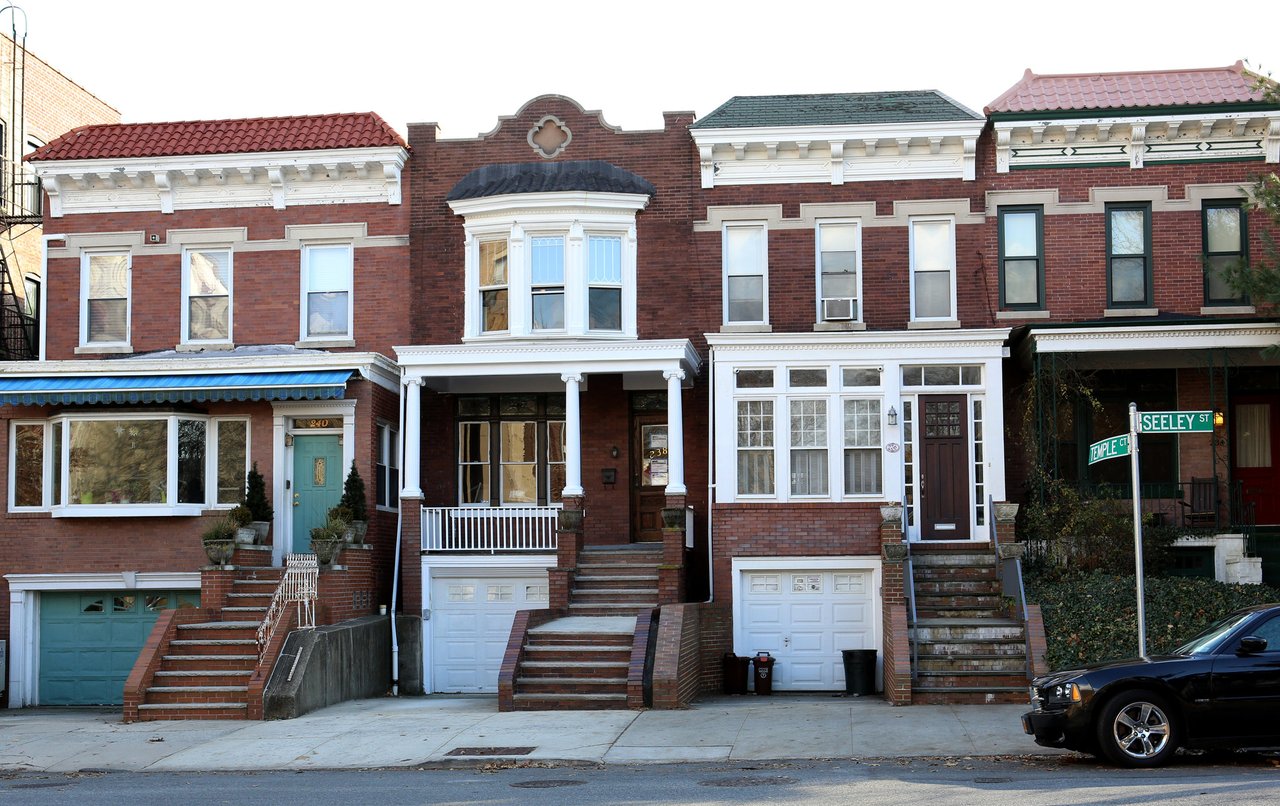
The neighborhood’s landmarked district, designated by the New York City Landmarks Preservation Commission, captures some of the city’s finest examples of Italianate, Romanesque Revival, and Queen Anne–style brownstones. Many of these properties date back to the late nineteenth century, giving the streetscape a sense of elegance and continuity that continues to attract restoration-focused buyers.
The Character of Stuyvesant Heights Brooklyn
Walking through Stuyvesant Heights Brooklyn offers an architectural education in itself. Every block tells a story of craftsmanship and resilience, with brownstones and townhouses that reveal the detail and proportion of a bygone era.
The neighborhood’s visual character is enhanced by tree-lined streets and the warm stone facades that define its built environment. At the same time, it has evolved into a center of creative and cultural activity, supported by new cafes, independent retailers, and community-led initiatives that strike a balance between progress and preservation.
The Architectural Core
Much of Stuyvesant Heights retains its original form because of the neighborhood’s inclusion in the historic district. These protected zones restrict demolition and require that exterior renovations meet architectural standards that preserve the area’s authenticity.
A well-executed restoration not only maintains historic integrity but also enhances property desirability among educated buyers seeking craftsmanship and history.
This architectural consistency also stabilizes pricing across the district. Properties on Macon, Decatur, Jefferson, and Hancock Streets remain particularly sought after for their block-wide uniformity and proximity to transportation.
Real Estate and Development Trends
The Stuyvesant Heights map reveals more than geography; it reflects ongoing trends in housing, redevelopment, and local investment.
Over the past decade, a wave of renovation projects has restored brownstones that were once in disrepair. As a result, the area has seen steady appreciation while retaining its residential character. The trend of converting brownstones and new developments demonstrates both investor interest and growing demand for historic charm with modern amenities.
Key Developers and Market Activity
Some of the most active developers in Stuyvesant Heights Brooklyn, include Green Builders and Park Slope Associates, two firms known for balancing sustainability and restoration. Their projects often set new standards for how energy-efficient systems can coexist with historic facades.
Development in Stuyvesant Heights differs from other Brooklyn neighborhoods because it must navigate landmark regulations and community priorities. The focus is less on density and more on craftsmanship, detail, and adaptive reuse.
Buyers benefit from this approach because renovated brownstones tend to maintain value even as broader markets fluctuate. The limited supply of properly restored homes creates sustained demand among both first-time buyers and long-term investors.
Decode Real Estate’s Presence in Stuyvesant Heights
At Decode Real Estate, our connection to Stuyvesant Heights is personal and professional. We have worked extensively with buyers, sellers, and developers across the neighborhood and understand the specific processes involved in purchasing, restoring, and marketing these properties.
Our ownership of 405 Jefferson Avenue, a historic brownstone, has given us direct experience with local preservation rules, renovation timelines, and board approvals. We have helped dozens of clients acquire new development units and rehabilitate brownstones throughout the area, ensuring that each purchase aligns with their long-term goals.
Our Approach to the Market
-
Historical Insight: We identify properties that offer the best balance between architectural integrity and potential for restoration.
-
Buyer Representation: We guide clients through local preservation requirements and city permitting processes.
-
Seller Strategy: We position listings to appeal to buyers seeking a blend of authenticity and modern living.
-
Neighborhood Context: We explain how location within the Stuyvesant Heights map affects price, zoning, and appreciation potential.
It requires understanding craftsmanship, timeline planning, and balancing lifestyle goals with architectural preservation. Our local expertise enables clients to make informed and strategic decisions.
Why Stuyvesant Heights Continues to Grow
Stuyvesant Heights has become one of the most balanced residential areas in Brooklyn, maintaining its sense of history while embracing change. The Stuyvesant Heights map continues to expand in cultural and economic relevance, attracting both new residents and long-time community investors.
This balance of preservation and progress defines the neighborhood’s future. It remains a place where residents can live among history while benefiting from the vitality of Brooklyn’s evolving marketplace.
For buyers and sellers, this mix creates stability and opportunity. Historic properties remain the backbone of value, while thoughtful redevelopment ensures long-term demand and stability.
At Decode Real Estate, we help clients interpret these dynamics, guiding each transaction with the precision that only local experience can provide. Whether identifying a brownstone to restore, evaluating a development site, or selling a fully renovated home, our insight helps each client connect place, timing, and purpose.
To explore opportunities in Stuyvesant Heights Brooklyn, or to learn more about how location on the Stuyvesant Heights map influences value, visit decodenyc.com.