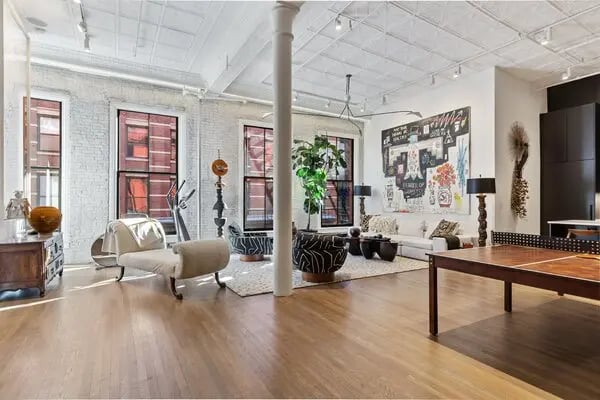
SoHo lofts are a dream. They conjure images of sprawling open layouts, cast-iron columns, and giant arched windows flooded with light. It’s a lifestyle rooted in creativity and architectural character, which is precisely why so many buyers are drawn to this iconic Manhattan neighborhood.
But buying a loft in SoHo comes with a few unique surprises. As someone who lived in SoHo for over ten years and specializes in helping people buy and sell lofts here, I can tell you firsthand that these buildings and their histories are not always straightforward. SoHo's quirks can become a buyer's headache if not properly understood in advance.
This post breaks down the most common pitfalls buyers face when purchasing a SoHo loft, particularly in cast-iron buildings, and how you can avoid them with the proper knowledge and strategy.
Understanding Artist in Residence (A.I.R.) Designations
Many SoHo loft buildings were originally zoned for industrial or manufacturing use. In the 1970s, artists began to live and work in these spaces illegally. Over time, the city formalized a compromise that allowed certified artists to legally live in certain lofts under a designation called Joint Living Work Quarters for Artists (JLWQA).
What’s important to know is that this zoning law is still in effect in many SoHo buildings today. And if you’re not a certified artist, you may not technically be allowed to live in one of these designated spaces.
What Does It Mean for Buyers?
If you are buying a loft in a JLWQA-zoned building, you may be required to be a certified artist by the NYC Department of Cultural Affairs. Certification involves proving you earn your living through creative work and need the space to continue doing so.
Some buyers brush this off, thinking enforcement is rare or outdated. While it’s true that the city has not aggressively enforced this rule in recent years, it is still on the books. In rare cases, complaints by neighbors or disputes within the building have brought the issue to the surface.
Avoiding the A.I.R. Trap
To avoid getting stuck in a complex legal or financial situation, consider the following steps:
-
Check the zoning designation of the building before making an offer.
-
Consult a real estate attorney who has experience with SoHo properties and is familiar with how A.I.R. laws are interpreted today.
-
Ask your broker whether the building has a history of enforcing artist certification or if non-artists live there without issue.
-
Consider applying for artist certification if you qualify.
Buying in a building where non-artists occupy most units can reduce your risk. Still, it is important to understand the potential consequences if the zoning laws are ever enforced more strictly.
What Makes Cast-Iron Buildings Beautiful and Complicated
Cast-iron buildings are among the most iconic structures in SoHo. Built primarily in the mid-to-late 19th century, they offer architectural charm that’s nearly impossible to replicate today. These buildings feature tall windows, decorative cornices, and vast interiors with few supporting walls, making them ideal for open-plan living.
But with this beauty comes a range of structural and maintenance considerations that many buyers don’t expect.
The Issues Lurking Behind the Façade
Cast iron is durable, but it is also brittle and prone to corrosion over time, especially when exposed to moisture. Unlike steel, it doesn’t bend. Instead, it cracks under pressure. This makes façade restoration a highly specialized and expensive process.
Another surprise for buyers is that these buildings are typically landmarked. That means any restoration or exterior work must meet the stringent guidelines of the Landmarks Preservation Commission (LPC), which increases both time and cost.
Here's a look at common hidden challenges in cast-iron buildings:
|
Issue |
Description |
What It Means for Buyers |
|---|---|---|
|
Cracking |
Occurs over time due to stress or corrosion |
May require custom-cast replacements |
|
Rusting |
Especially common in window frames and cornices |
Requires regular inspections and treatments |
|
Historic Preservation |
Landmarked status limits material options |
Only certain firms can perform the work |
How to Protect Yourself
Before making an offer, hire an engineer who specializes in historic buildings. A standard home inspector may not catch the signs of cast-iron fatigue or deterioration. Also, ask the board or management company for the building’s most recent FISP report, which is required by the city every five years.
Understanding the long-term costs of owning a loft in a cast-iron building will help you budget appropriately and avoid surprises down the road.
High Ceilings Bring More Than Just Light
Loft ceilings can reach up to 15 feet, sometimes more. These high ceilings are part of what gives SoHo lofts their charm and openness. They let in more light, create volume, and make even modest square footage feel luxurious.
But heating and cooling these spaces can be tricky. Many buyers overlook this, assuming that newer systems will handle everything efficiently.
Climate Control Is an Ongoing Investment
Older lofts often use radiator heat or steam systems shared by the building. You may not have individual control over your heating, and cooling may not be built in at all. The larger the vertical space, the harder it is to keep the entire room comfortable without spending a small fortune on utilities.
To better manage energy costs and comfort, consider the following:
-
Install ceiling fans to help circulate warm air downward in winter and cool air in summer
-
Use ductless mini-split systems for better temperature control and energy efficiency
-
Check if the building allows window units, or if central air conditioning is possible
Elevators Are Not Always What They Seem
One of the most surprising realities for new loft buyers is the condition or absence of elevators. While some SoHo buildings have been modernized, many still have vintage or manually operated elevators. Some have no elevator at all.
If you are considering a fourth-floor walk-up with 14-foot ceilings, know that every piece of furniture and every grocery bag will need to go up those stairs.
Questions to Ask
-
Is the elevator original to the building, or has it been upgraded?
-
Is it frequently out of service?
-
Are there any pending assessments for elevator replacement or modernization?
-
Is it a key-locked elevator that opens directly into the unit?
The answers to these questions can impact your daily lifestyle and your long-term satisfaction with the property.
Sound Carries in Unexpected Ways
Lofts are wide-open by design. That spaciousness means fewer walls, which means fewer sound barriers. Add in exposed brick, hardwood floors, and metal beams, and you have a recipe for sound that travels easily between units and floors.
Common Sound Issues
-
Music or loud TV from neighbors
-
Plumbing sounds from above
-
Footsteps from the unit above
Buyers who are sensitive to noise should do more than just visit during the day. Schedule visits at different times, including evenings, and ask about soundproofing during renovations.
Some buildings enforce carpeting or area rug requirements to minimize noise, but enforcement varies. If quiet is important to you, look for units with additional sound insulation or discuss potential improvements with a contractor before purchasing.
Legal Lofts vs. Loft-Like Units
It is not uncommon for SoHo lofts to contain unpermitted features like sleeping lofts, mezzanines, or added bathrooms. Many of these were built by previous owners without filing plans or obtaining permits.
While they might look great, they can create problems when it comes to refinancing, reselling, or renovating.
How to Identify Red Flags
-
Compare the listing floor plan to the one on the building’s Certificate of Occupancy (C of O)
-
Review the Department of Buildings (DOB) history for violations or open permits
-
Ask your attorney to investigate any inconsistencies between what’s being sold and what’s legal
Legalizing an unauthorized mezzanine or bath addition can be expensive and time-consuming. In some cases, it may require tearing out and rebuilding entirely. Always have a clear picture of what you are buying.
Carrying Costs Can Be Misleading
Loft buildings vary dramatically in their financial structure. Some buildings have low monthly charges, but this doesn’t always mean they are in good financial health. Others have higher maintenance but a large reserve fund and no deferred repairs.
Key Financial Questions
-
Are there any current or planned assessments?
-
How large is the building’s reserve fund?
-
What percentage of the building’s units are owned vs. rented?
-
Are there any commercial tenants, and do they pay into the common charges?
While low common charges are attractive, they may not reflect the real costs of ownership if the building has major work coming up or if operating expenses are artificially suppressed.
What to Know About Living in a Landmarked District
SoHo falls within a designated historic district. That means any exterior changes, including window replacements, rooftop additions, and signage, must be reviewed and approved by the Landmarks Preservation Commission.
This affects not only owners who plan to renovate, but also those buying into a building where future work is needed. Landmark compliance increases both time and cost, and you may be required to use custom materials or licensed specialists.
Before You Renovate
-
Determine whether your work requires LPC approval
-
Work with architects and contractors who have experience with landmarked properties
-
Build in extra time for the approval process
Landmark status is part of what makes SoHo unique, but it is a layer of complexity that needs to be factored into your ownership plans.
A Neighborhood That’s Always on Display
SoHo remains one of the most visited areas in Manhattan, known for its boutiques, galleries, and celebrity residents. The same charm that attracts you may also attract crowds, noise, and congestion, particularly on weekends and during peak shopping seasons.
Living with Visibility
-
Choose a building on a quieter side street if privacy matters
-
Ask about building security, key fob access, or staffed entrances
-
Evaluate the noise level during multiple visits at different times
Being in the heart of the action has its perks, but it's not for everyone. Know what kind of energy you want your home environment to have before committing to a property in SoHo.
Renovation Comes with Rules
Lofts offer the promise of creativity and customization, but in SoHo, your imagination needs to be balanced with compliance. Renovation plans must often go through the Department of Buildings, the condo board, and sometimes the Landmarks Preservation Commission.
Work hours may be restricted, especially in mixed-use buildings with retail tenants or residents who work from home.
Renovation Readiness Checklist
-
Hire an architect familiar with SoHo codes and board dynamics
-
Know what’s structural and what can be changed
-
Understand what permits are required and how long they take
-
Budget at least 15 to 20 percent over your renovation estimate
The more preparation you do upfront, the smoother your renovation process will be. And with the right team, you can bring your vision to life while respecting the character and history of the space.
Thinking of Buying a Loft in SoHo? Let’s Talk
Buying a loft in SoHo is not like buying a condo uptown or a brownstone in Brooklyn. These properties are part art, part history, and part living space. They offer an extraordinary lifestyle, but only for buyers who come prepared.
If you’re thinking about purchasing a loft in SoHo and want to make sure you’re avoiding the most common (and expensive) pitfalls, I’m here to help. I lived in the neighborhood for ten years and have worked with dozens of clients to find lofts that fit their creative vision, financial goals, and lifestyle.
Whether you’re just beginning to explore or ready to make an offer, let’s connect. Together, we’ll make sure your next move in SoHo is a smart one.
Need help navigating the SoHo loft market?
Feel free to reach out directly. I’m always happy to offer personalized insights and referrals to trusted inspectors, attorneys, architects, and lenders who know this market inside and out.