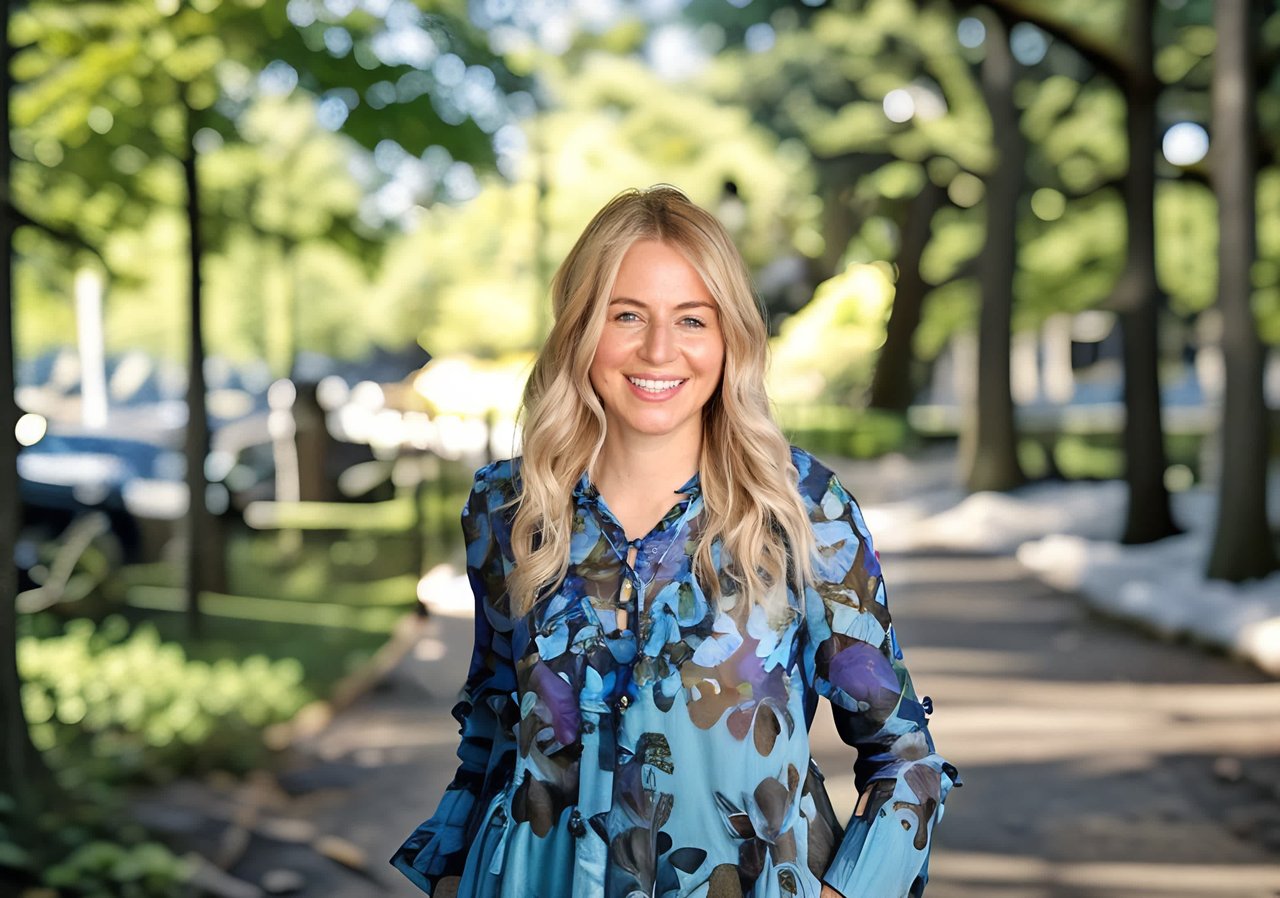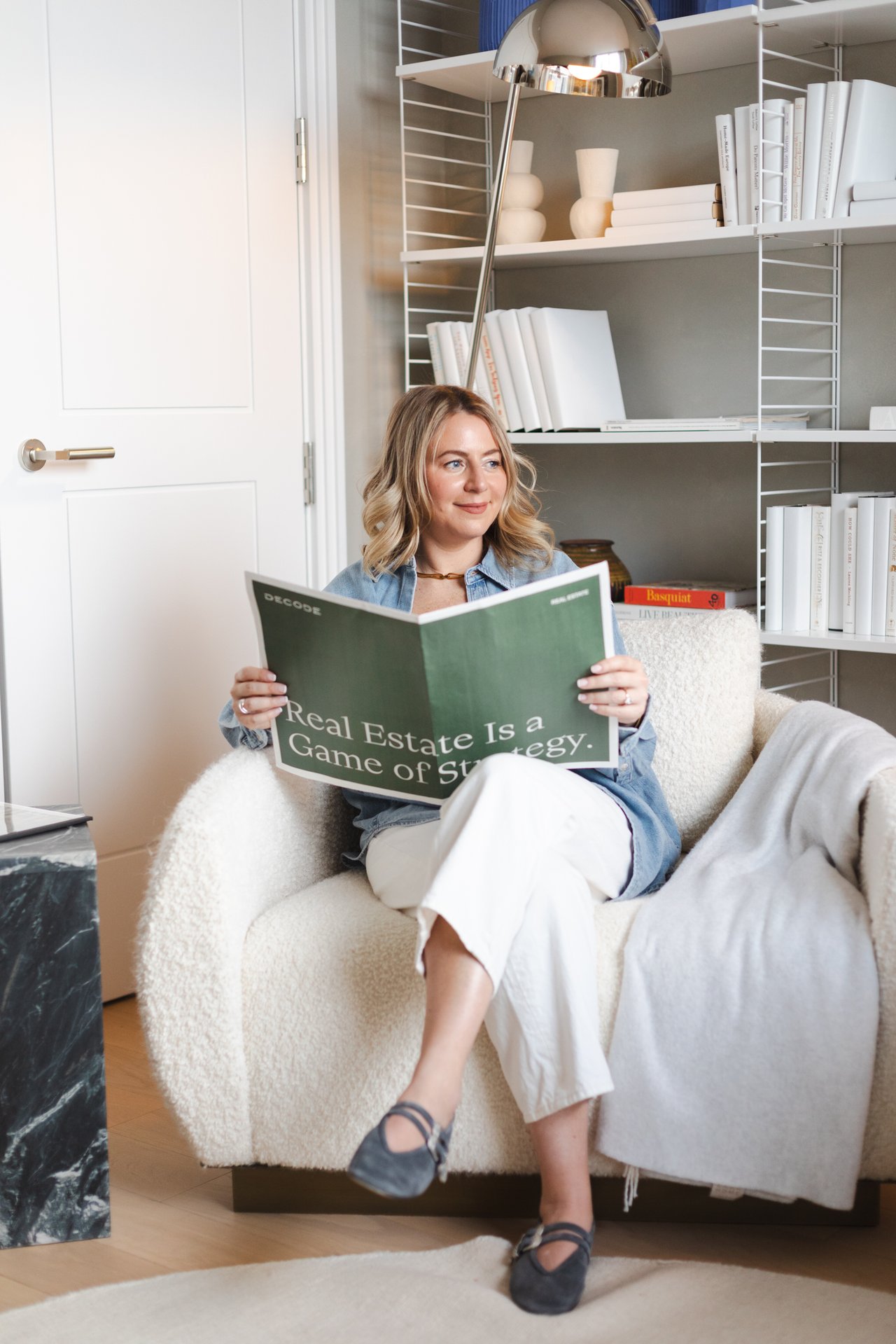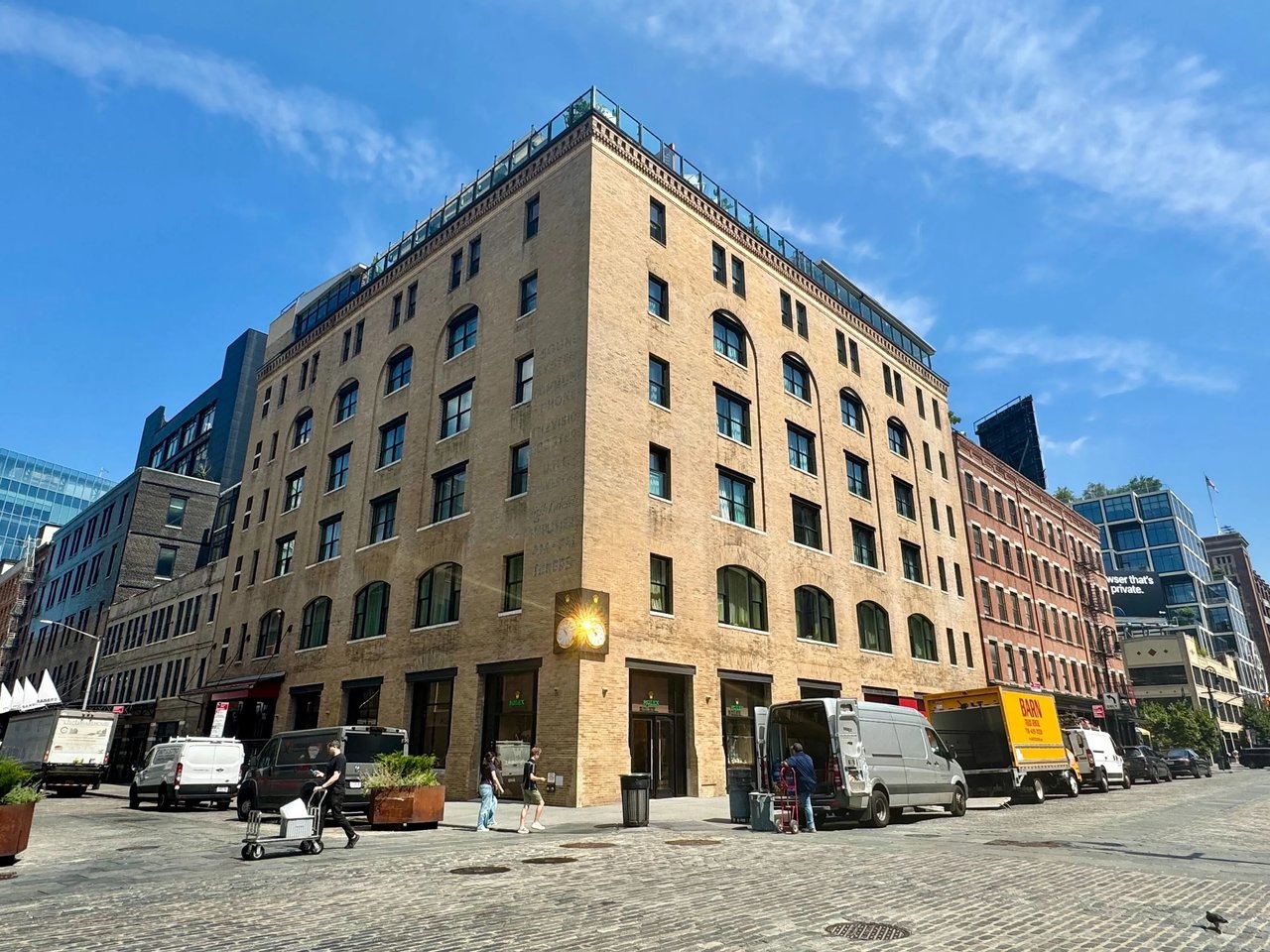
For more than a decade, I lived in a SoHo loft surrounded by the quiet drama of cast-iron columns, oversized factory windows, and the creativity that seeps from every corner of this iconic Manhattan neighborhood. I didn’t just sell SoHo real estate, I lived it. I walked these cobblestone streets daily, watched the gallery scene evolve, and understood the rhythms of the neighborhood like a true insider.
Today, I’m seeing a familiar pattern emerge once again. International buyers are returning to SoHo with a sense of renewed purpose. The post-pandemic world has shifted their perspective, and now they are more informed, more selective, and more focused on long-term value than ever before.
So what is truly happening behind the scenes in SoHo? Why are foreign buyers putting this neighborhood back at the top of their lists, and what are they actually purchasing? This is a comprehensive look at the on-the-ground realities of SoHo’s luxury loft market and why it remains a coveted choice for global buyers seeking both lifestyle and legacy.
Why Now? A Perfect Storm of Timing and Opportunity
After several years of global turbulence, we are entering a realignment phase in the luxury real estate market. Borders have reopened, global currencies are shifting, and high-net-worth individuals are once again moving capital into tangible assets.
SoHo is uniquely positioned to benefit from these macroeconomic tailwinds. While other neighborhoods feel the weight of overdevelopment or market saturation, SoHo remains insulated by its historical zoning and scarcity of accurate loft inventory.
Currency Shifts Favor U.S. Real Estate
The strength or weakness of the U.S. dollar plays a significant role in international buying cycles. When the dollar weakens even modestly against the euro, pound, or yuan, it can make New York real estate up to 10 or 15 percent more affordable for foreign investors.
This currency advantage is significant, particularly in a market like SoHo where a two-bedroom loft can easily command $4 to $6 million. The discount can cover closing costs, renovation work, or even furnish a home.
Global Instability Driving Asset Diversification
With inflation concerns, rising interest rates, and geopolitical unrest in multiple regions, wealthy individuals are once again leaning into New York City real estate for security and diversification. SoHo offers not just real estate value but cultural capital—an address that means something globally.
Lofts in SoHo are increasingly seen as legacy assets, comparable to prime London townhomes or historic properties in Paris. That perception adds resilience to the market, especially during periods of global uncertainty.
Who Are the New International Buyers in SoHo?
Foreign interest in SoHo is more nuanced than in previous cycles. Buyers are no longer monolithic groups moving in herds. Instead, we’re seeing micro-patterns and distinct buyer personas, each with their own priorities and lifestyle considerations.
The SoHo buyer of 2025 is not just seeking a home. They are curating an experience. They are investing in a neighborhood where their identity aligns with the creative, the iconic, and the enduring.
European Lifestyle Buyers
Buyers from France, Italy, Germany, and the UK are returning to SoHo with a sense of nostalgia and style. Many of them have lived in New York before, or they work in creative industries like fashion, design, or advertising.
These buyers often seek pied-à-terres in buildings with character and history. Think pre-war co-ops or boutique condominiums with exposed brick and original beams. They appreciate buildings with a story and spaces that offer flexibility to host, create, or unwind.
Asian and Middle Eastern Legacy Investors
From Singapore to Dubai, high-net-worth families are returning to Manhattan not to speculate, but to invest in quality. Unlike the pre-pandemic period when trophy penthouses dominated interest, these buyers are now gravitating toward classic SoHo lofts with strong architectural bones.
Privacy, location, and long-term rental potential are key criteria. Many of these buyers plan to hold their properties for 10 years or more, using them seasonally or leasing them to executive tenants.
The Tech-Savvy Millennials
A new wave of younger foreign buyers is entering the market with tech-driven capital, often from crypto gains or early startup exits. They’re looking for contemporary-meets-industrial aesthetics and care deeply about smart home integrations, gallery-style layouts, and minimalistic design.
This group tends to favor renovated lofts with a modern edge. They are less interested in building amenities and more focused on interior quality, customization options, and privacy.
Why SoHo Lofts Continue to Stand Out
Not all real estate in Manhattan is created equal. And in SoHo, even among luxury properties, there is an obvious hierarchy. At the top of that hierarchy are true, historic lofts—those expansive, flexible, high-ceilinged homes with architectural gravitas.
As someone who spent a decade living in a SoHo loft, I can tell you that it is unlike any other residential experience in the city. The proportions, the light, the artistry—it’s a lifestyle that transcends trends and market cycles.
Scarcity Is Built In
SoHo lofts are no longer being built. The zoning laws, historic landmark regulations, and scarcity of developable lots mean the existing inventory is essentially fixed. That scarcity naturally preserves value, even in a fluctuating market.
This is in contrast to other Manhattan neighborhoods where dozens of new developments are announced each year, flooding the market with similar units. In SoHo, each loft is unique. That individuality matters deeply to foreign buyers who often value exclusivity.
Design, Space, and Flexibility
The open floor plans of SoHo lofts allow for immense flexibility in how space is used. Art collectors can showcase their pieces with gallery walls. Musicians can set up studios. Families can divide spaces creatively with design solutions rather than walls.
This sense of customization is a big draw for foreign buyers used to smaller, more confined city apartments abroad. A 3,000-square-foot loft in SoHo feels expansive, artistic, and alive.
What We’re Seeing on the Ground Right Now
Real estate is hyper-local. And in SoHo, where I show and transact regularly, the changes are palpable. This isn’t theory or speculation—this is firsthand observation based on day-to-day activity with international clients.
In the past 12 months, foreign buyer inquiries have increased by more than 35 percent. But it’s not just quantity ,it’s quality. These are informed, serious buyers who understand the market and are ready to engage.
Rise in Private Showings and Off-Market Deals
The best lofts often never hit the public market. They are traded quietly through broker relationships or shown selectively to trusted buyers. Foreign buyers working with local experts are more likely to gain access to these exclusive opportunities.
I’ve personally placed three international clients into off-market properties in the last six months alone. This is the new reality of SoHo.
More Sophisticated Questions from Buyers
Today’s foreign buyers are doing their homework. They ask about building governance, JLWQA compliance, air rights, tax efficiency, and long-term rental potential. Many arrive with legal and tax advisors already looped in.
This shift means that SoHo sellers need to be equally prepared, with proper documentation and a well-articulated narrative for their property.
Interest in Value-Add Potential
Unlike past waves where turnkey properties were the top choice, many current buyers are open to renovations. They understand that customizing a SoHo loft can enhance both their personal experience and long-term appreciation.
This is especially true for historic lofts that retain their original detailing but may need modern kitchens or bathrooms. Foreign buyers see the renovation as part of the creative process.
Case Studies: What Foreign Buyers Are Actually Buying
Real stories from recent transactions illustrate just how varied and strategic today’s international buyers have become. Each case represents a different profile and motivation, but all share a belief in SoHo’s enduring value.
Case Study 1: From Paris With Style
A French fashion executive couple purchased a 2,900-square-foot loft on Greene Street for $7.2 million. The space features original cast-iron columns, oversized south-facing windows, and exposed brick walls. They plan to use it for six months a year while renting it to a fashion brand during Fashion Week.
Case Study 2: The Singapore Strategist
A tech investor from Singapore purchased a classic Prince Street loft to create a private art gallery and crypto vault. The space needed a $600,000 renovation, but the bones were perfect. With a long-term view, he sees it as part of his family’s legacy.
Case Study 3: The London Family Office
A family office based in London recently closed on a pair of adjoining Crosby Street units to create a duplex penthouse. The plan is to use the space for three generations of family members as a seasonal base in New York. Their investment is not just financial—it’s emotional.
What Foreign Buyers Need to Know Before Purchasing
While the New York real estate process is relatively transparent, there are important nuances that international buyers need to understand before engaging in a SoHo purchase.
FIRPTA and Tax Implications
The Foreign Investment in Real Property Tax Act (FIRPTA) requires foreign sellers to pay a withholding tax upon sale. While it doesn’t affect buyers immediately, it’s a long-term consideration, especially for those planning to flip or exit within a few years.
It’s essential to engage with a U.S.-based tax advisor early to structure the purchase correctly, often through LLCs or trusts.
Financing Is Possible, But Limited
Some U.S. banks now offer mortgages to foreign nationals, but the requirements are stricter. Buyers can expect to put down at least 40 percent and show significant assets under management. Many prefer to purchase in cash to expedite the process.
Legal Structures and Ownership Strategy
Privacy and estate planning often drive the choice of legal structure. Most foreign buyers now use limited liability companies (LLCs) for privacy, while others use trusts to facilitate generational planning.
If purchasing in a co-op building, buyers need to understand board approval processes, which can be time-consuming and documentation-heavy.
Why SoHo Remains a Global Luxury Icon
Not every neighborhood earns the title of iconic, but SoHo wears it with ease. The blend of art history, architectural integrity, and creative spirit makes it one of the most enduring and beloved corners of New York City.
Buyers from around the world see SoHo as more than just a real estate play. They see it as an extension of their identity. An address that represents taste, creativity, and authenticity.
There is a timelessness to SoHo that transcends the real estate cycle. That quality alone is what makes its lofts among the most secure long-term investments on the island.
Ready to Explore SoHo? Let's Connect
If you’re an international buyer thinking about entering the New York City real estate market, there’s no better place to start than SoHo. But this is not a neighborhood where you browse listings casually and hope to find a gem.
You need access. You need insight. And you need someone who understands SoHo not just from a transactional perspective, but from lived experience.
As a former resident and current specialist, I offer a concierge-level service tailored to international clients who want discretion, clarity, and results. Whether you're ready to buy now or planning a future purchase, let's talk.
Reach out for a personalized consultation, access to off-market inventory, and honest advice from someone who knows SoHo from the inside out.
Your next chapter in New York may just begin on a cobblestone street in SoHo. Let’s find the perfect loft for you.