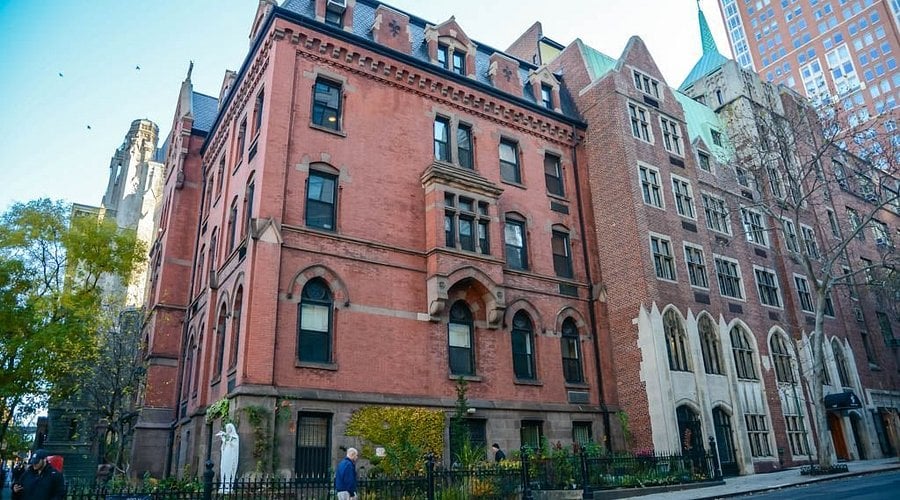
Selling an apartment on the Upper East Side has always been about more than just putting up a listing. Timing plays a critical role in how quickly your property sells and how much you can expect to achieve. The neighborhood continues to attract serious buyers, but in 2025, both local market dynamics and broader economic conditions are shifting. Sellers who understand when to bring their home to market will have the most tremendous success.
This expanded guide explores how seasonality, interest rates, inventory trends, property types, and buyer sentiment will influence the Upper East Side real estate market in 2025, and how sellers can plan accordingly.
Seasonality on the Upper East Side
The New York City housing market is cyclical, and the Upper East Side closely follows that rhythm. While homes sell year-round, certain times of year consistently outperform others.
The Spring Market (March through May)
Spring is traditionally the strongest season for selling in Manhattan. Buyers come out in full force after the winter lull, motivated by new inventory and a desire to close before summer. On the UES, this is particularly true for family-sized co-ops and condos. Parents want to finalize moves before the next school year, which means spring listings often receive more showings, stronger offers, and faster contracts.
The Fall Market (September through November)
Fall is the second most active season. After the summer slowdown, buyers return to the city with fresh energy. Professionals who received year-end bonuses or promotions are often ready to make offers. Properties listed in early September often capture this wave of activity. Sellers who miss the spring market should strongly consider launching in the fall.
The Summer Slowdown (June through August)
Summer is slower, especially on the Upper East Side where many residents spend weekends and holidays outside the city. Open house traffic typically drops, and listings that launch in midsummer often sit longer. However, serious buyers who remain in the city can benefit from less competition. Sellers willing to price aggressively may still succeed in this season.
The Winter Months (December through February)
Winter has historically been the quietest period. Holidays, colder weather, and fewer relocations result in slower activity. That said, motivated buyers are still active, and lower competition among listings can sometimes benefit sellers. A well-presented apartment can shine when inventory is limited.
Interest Rates and Buyer Confidence
In 2025, interest rates will remain one of the biggest influences on timing.
-
If rates decline: More buyers will re-enter the market, boosting demand and potentially leading to bidding wars during peak seasons. This could create strong conditions for UES sellers in both spring and fall.
-
If rates remain elevated: Buyers will be cautious, prioritizing value and moving slowly. In this environment, pricing realistically becomes even more important, and sellers may want to target the busiest seasons to maximize traffic.
Buyers on the UES tend to be financially strong, but even high-net-worth individuals consider the long-term carrying costs of their homes. Sellers should monitor Federal Reserve updates and mortgage market trends closely in 2025.
Inventory Levels and Competition
The supply of homes on the market directly affects how long it takes to sell and at what price.
-
High Inventory: When many similar apartments are listed, buyers have leverage. Sellers need to ensure their property stands out with pricing, presentation, and upgrades.
-
Low Inventory: With fewer options available, well-positioned listings can attract more offers and sell at higher prices.
On the Upper East Side in 2025, new luxury condo projects along Second Avenue will increase inventory. While these modern units appeal to certain buyers, they also raise expectations across the board. Co-op sellers will need to be particularly strategic about timing and presentation to compete effectively.
Timing by Property Type
Not all properties follow the same seasonal patterns. Understanding your buyer profile is critical.
-
Family-Sized Homes: Larger co-ops and condos sell best in the spring, when parents want to secure new addresses before school begins.
-
Studios and One-Bedrooms: These often appeal to young professionals and investors, who may be more active in the fall after bonuses are awarded.
-
Luxury Condos and Penthouses: High-end units often attract international buyers. Their timing is less seasonal, though launching in spring or fall still maximizes exposure.
Market Sentiment in 2025
Beyond hard numbers, the psychology of the market matters. Election-year uncertainty, stock market swings, and media headlines can influence buyer confidence.
-
Positive Outlook: If the economy is stable and interest rates ease, 2025 could see a surge in activity, particularly in spring and fall.
-
Cautious Environment: If economic uncertainty dominates headlines, buyers may hesitate, making realistic pricing more important than ever.
Sellers should remember that sentiment can shift quickly. Consulting with a knowledgeable local agent can help align timing with market psychology.
Preparing to List: What Sellers Should Do in Advance
Regardless of season, preparation is everything. To maximize success in 2025:
-
Start Early: If targeting spring, begin decluttering, staging, and upgrading in January or February.
-
Invest in Presentation: Professional photography, staging, and floor plans are essential to stand out online.
-
Get a Pricing Strategy: Work with an agent to analyze comparables and identify a realistic price point.
-
Market Aggressively: Use a mix of digital marketing, social media, and targeted outreach to generate interest before open houses.
-
Be Flexible: If activity is slower than expected, be ready to adjust pricing or offer concessions to move the deal forward.
Month-by-Month Guide for 2025
To give sellers more clarity, here is a practical timeline of how the UES market typically unfolds:
-
January–February: A quiet period but perfect for prepping your apartment. Use this time for staging, light renovations, and photography.
-
March–May: Peak spring season. Ideal for family-sized homes and larger co-ops. Strong buyer demand supports quicker sales.
-
June–August: Slower activity. A good time to list only if you are competitively priced or if your home is unique. Otherwise, wait for fall.
-
September–November: The second peak season. Strong demand across nearly all property types. Great for one-bedrooms, studios, and mid-size homes.
-
December: Slows again as buyers focus on holidays. Not ideal for launching, but you may capture attention from serious year-end movers.
The Bottom Line
On the Upper East Side in 2025, timing your sale will be a blend of market cycles, economic factors, and buyer psychology. Spring and fall remain the strongest seasons, but your personal property type and circumstances matter just as much. Sellers who plan early, price wisely, and launch when buyers are most active will be best positioned to achieve top results.
For some sellers, it may make sense to wait for spring or fall. For others, unique properties can succeed year-round if marketed properly. What matters most is understanding the rhythm of the market and aligning your strategy with both seasonal and economic trends.
For expert insights on navigating the Upper East Side market, explore more guides and updates on Decode NYC.