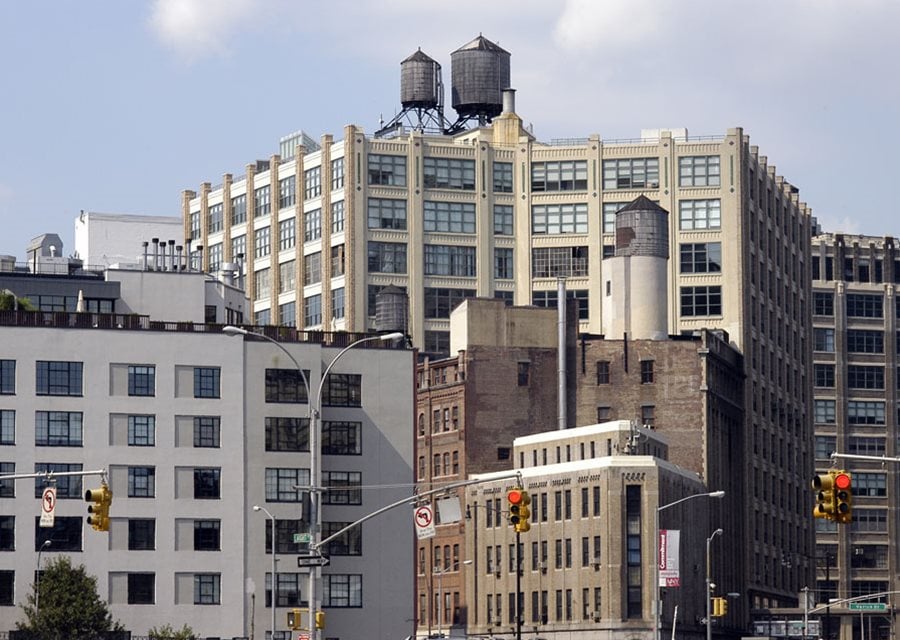
When buyers explore downtown Manhattan, two neighborhoods consistently top the conversation: Tribeca and SoHo. Both carry international recognition, architectural prestige, and distinctive atmospheres, yet they serve different lifestyles and investment goals.
At Decode Real Estate, we often guide clients through this comparison. Tribeca vs SoHo is not a matter of better or worse but of alignment between personal priorities and property character. Each area offers unique advantages that attract specific buyer profiles across New York City’s luxury market.
The Core Character of Each Neighborhood
Tribeca and SoHo share similar origins. Both evolved from industrial warehouse districts into residential and creative enclaves. Over time, their architectural and cultural identities diverged, shaping two distinct versions of downtown living.
SoHo, short for “South of Houston Street,” became synonymous with the artistic revolution of the 1970s. Cast-iron buildings, cobblestone streets, and galleries formed the backbone of its urban identity. The area remains an intersection of fashion, design, and creative commerce.
Tribeca, on the other hand, matured into a residential counterpart known for calm streets, large lofts, and refined architecture. It appeals to those seeking privacy, space, and enduring value while maintaining proximity to Lower Manhattan's energy and vitality.
Tribeca: Refined, Private, and Architectural
For anyone asking is Tribeca a good place to live, the answer is found in its architecture and rhythm. The neighborhood’s lofts are among the largest in New York, often occupying full floors with original beams, high ceilings, and wide windows. Developers have preserved this industrial structure while introducing contemporary luxury and high-end finishes.
Tribeca’s pace feels intentional. Streets are broad and uncrowded, lined with boutiques, art galleries, and cafés. The area provides a rare sense of residential calm in the heart of Manhattan. Its aesthetic is defined by quality and proportion rather than excess.
Architectural variety is another hallmark. Classic brick warehouses stand beside new icons such as 56 Leonard Street and 30 Park Place. The result is a blend of tradition and modernity that makes Tribeca both timeless and relevant.
Living in Tribeca: Lifestyle and Value
-
Community Feel: The neighborhood has a quiet, village-like atmosphere with strong community engagement.
-
Schools and Parks: Access to respected schools and the Hudson River Park makes the area ideal for families.
-
Investment Appeal: Limited inventory, high ownership rates, and strong resale performance ensure lasting value.
These elements make living in Tribeca a lifestyle decision grounded in comfort, design, and permanence.
SoHo: Creative Energy and Urban Texture
SoHo represents New York’s creative core. Its mix of cast-iron lofts and industrial conversions tells the story of a district that values individuality and history. The architecture stands as an open gallery of nineteenth-century craftsmanship and adaptive reuse.
The neighborhood’s culture revolves around art, fashion, and food. Streets are filled with showrooms, cafés, and galleries, each contributing to the sensory appeal that defines downtown living. The constant movement of residents, visitors, and designers reinforces SoHo’s global influence.
SoHo’s residential offering leans toward spacious lofts with original details. Many buyers are drawn to these properties for their authenticity and flexibility, viewing them as creative canvases rather than conventional apartments.
Market Profile and Buyer Considerations
-
Architecture: Cast-iron loft buildings dominate, offering open layouts and architectural pedigree.
-
Lifestyle: Walkability and culture are unmatched, though street activity and noise levels can be higher.
-
Market Dynamics: Property values remain strong due to limited inventory and enduring international demand.
Buyers often see SoHo as an expression of urban identity, valuing aesthetics and location over formality.
Tribeca vs SoHo: Decoding the Differences
The Tribeca vs SoHo discussion highlights two interpretations of luxury living. Both neighborhoods attract discerning buyers, but their appeal lies in different priorities.
-
Space and Serenity: Tribeca offers expansive residences and quieter streets, ideal for long-term living. SoHo is vibrant and dynamic, ideal for those who thrive in a creative atmosphere.
-
Architecture: SoHo’s cast-iron façades define New York’s artistic heritage. Tribeca’s broader lofts and new developments reflect modern refinement and spatial luxury.
-
Community and Pace: Tribeca feels intimate and reserved, while SoHo exudes cultural and social movement.
-
Investment and Appreciation: Tribeca’s scarcity supports stable growth, whereas SoHo’s international cachet ensures global market interest.
Decode Real Estate’s Comparative Insight
-
Tribeca Buyers: Professionals and families prioritizing privacy, scale, and design continuity.
-
SoHo Buyers: Creatives and investors seeking cultural connection and architectural authenticity.
-
Strategic Approach: Decode Real Estate advises clients based on spatial efficiency, neighborhood character, and long-term positioning.
Our approach ensures that each property aligns with our clients’ investment strategy and lifestyle ambitions.
Why Both Remain Cornerstones of Downtown Luxury
Tribeca and SoHo represent two enduring models of Manhattan prestige. Both have transformed from industrial beginnings into sophisticated residential destinations while maintaining individuality and charm.
For buyers, the decision is not about superiority but about suitability. SoHo embodies creative expression and urban vitality. Tribeca offers peace, privacy, and architectural presence.
Decode Real Estate continues to represent clients across both districts, providing analytical insight and aesthetic understanding that define exceptional outcomes.
To explore available listings and expert market perspectives in Tribeca and SoHo, visit decodenyc.com.