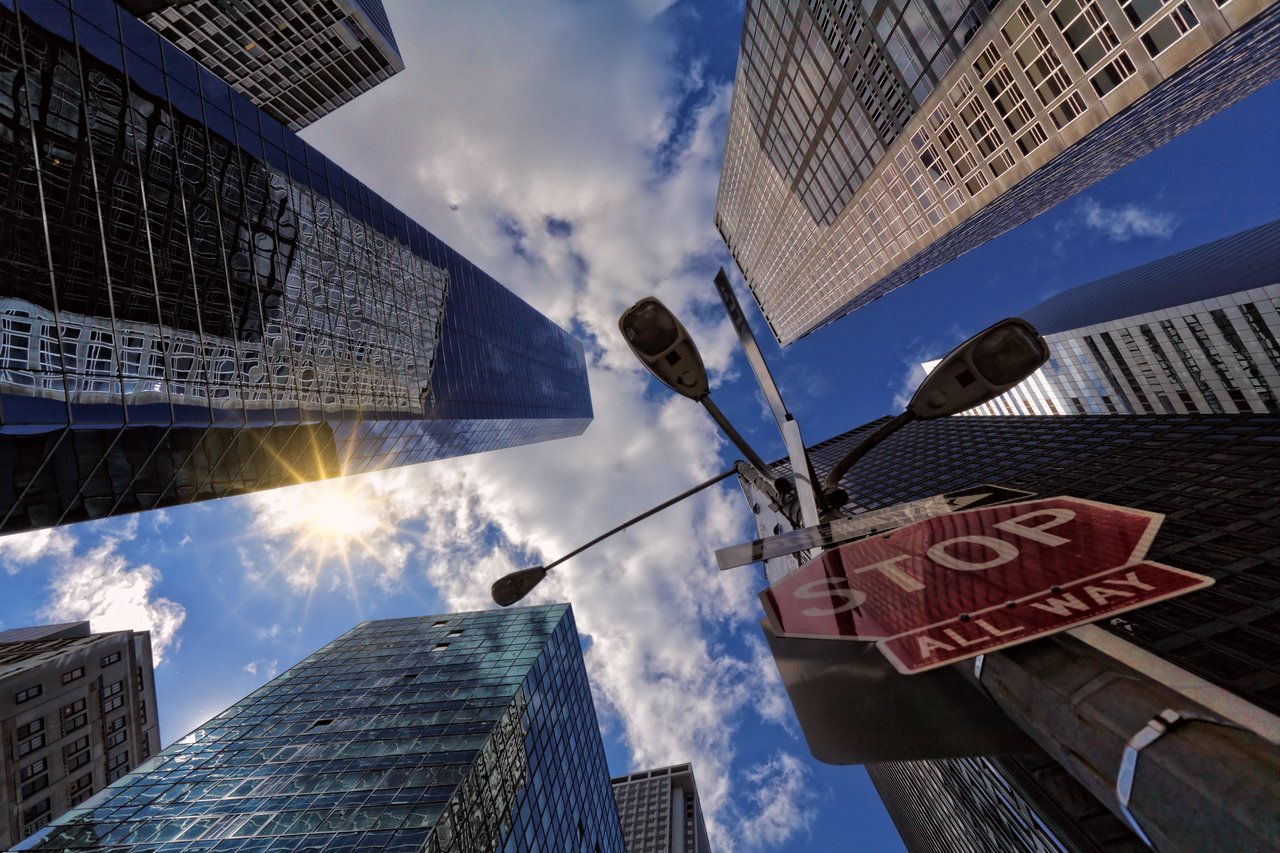
New York City real estate is not just about square footage and location. It is about narratives, reputations, and what your building symbolizes in the larger landscape of architecture, luxury, and market perception. Over the ten years I lived in SoHo, in a true cast-iron loft with classic proportions and raw, authentic beauty, I came to understand that what makes a building valuable is not always tangible.
Sometimes, your building gets attention for the right reasons. It has a visionary developer or a world-renowned architect. Other times, it gains notoriety for the wrong reasons, such as construction defects, lawsuits, or a PR scandal. Either way, when a building becomes the subject of public interest, the impact can ripple through everything from maintenance fees to resale value.
In this post, I will take you inside the real dynamics of what happens when your building becomes famous or infamous. This is not just theory. This is hard-earned knowledge shaped by a decade living in and around some of the most fascinating real estate in SoHo and Manhattan.
The Power and Pitfalls of a Famous Developer
In earlier decades, developers worked quietly behind the scenes. The product spoke for itself, and buildings were sold on their merit rather than their marketing. That has changed drastically in the past 15 to 20 years.
Today’s top developers brand themselves as tastemakers and cultural influencers. They launch buildings like fashion lines, complete with press previews, celebrity ambassadors, design collaborations, and cinematic renderings. Their goal is to create buzz, scarcity, and a lifestyle narrative that makes buyers feel like they are joining a club.
Ian Schrager, for instance, brought his hospitality acumen to the residential space, blending boutique hotel style with downtown loft sensibility. His developments at 40 Bond and 215 Chrystie were not just sold as places to live but as curated experiences. Similarly, the firm DDG created 180 East 88th Street as a sculptural landmark, borrowing cues from European artistry and old-world craftsmanship.
What You Gain with a Famous Name
A high-profile developer often translates to initial media attention, which creates urgency and allure around early sales. Units can command a premium, especially in the early stages of pre-sales. Buyers associate these names with quality, cachet, and exclusivity. There is often a belief that these buildings will age better, appreciate more reliably, and provide a more refined lifestyle.
In marketing materials, every surface is described as bespoke, every fixture as artisanal. The whole package is aspirational. And often, for a time, it works. Sales go fast. Closings make headlines. The building becomes a talking point.
What You Risk
But that sheen can wear off quickly if the building does not deliver in reality what it promised in theory. Developers who stretch themselves too thin, cut corners, or overextend their marketing can leave buyers disappointed once the scaffolding comes down. In some cases, owners discover unresolved defects, unfinished amenities, or underwhelming common spaces.
Reputation can also backfire. If the developer becomes embroiled in litigation elsewhere or fails to complete another high-profile project, that association can cast a shadow on your building. What was once a badge of honor can become a liability in a buyer’s mind.
The Starchitect Factor
Starchitects—famous architects with a recognizable aesthetic and international following—are another element in this matrix. From Jean Nouvel to Zaha Hadid to Herzog & de Meuron, their names add prestige to a project and promise a bold architectural statement.
New York has embraced this trend with enthusiasm. Buildings like 56 Leonard Street in Tribeca, 53 West 53rd near MoMA, and 520 West 28th Street in Chelsea have changed the city’s skyline and added layers of design-driven value to their neighborhoods.
In SoHo, we see this influence more selectively, as the neighborhood’s landmark protections and historic character limit radical interventions. Still, buildings like 565 Broome by Renzo Piano bring a new kind of modern minimalism to the area and challenge what luxury looks like in a loft-dominated market.
When Architecture Adds Real Value
A building designed by a leading architect can become a long-term asset. It draws international buyers, wins awards, and features in design publications. If the construction quality aligns with the design intent, the building can become timeless.
These projects also often get preferential treatment in resale. Buyers are drawn to the name recognition, the design pedigree, and the promise of living in a work of art.
When Form Fails Function
However, high-concept design does not always translate to livable comfort. Residents at some of these buildings have reported impractical layouts, difficult-to-furnish rooms, and awkward storage solutions. Maintenance issues can also arise, especially when experimental materials or systems are used.
In the case of 53W53, for example, residents have voiced complaints about elevator delays and sound transmission. The building may be visually stunning, but that does not compensate for daily frustration.
Design should be both aesthetic and functional. Unfortunately, some starchitect buildings prioritize spectacle over livability, leaving residents with eye-catching exteriors and problematic interiors.
When the Lawsuits Start
Real estate lawsuits are more common than most people think, especially in new development. But when a building becomes publicly entangled in litigation, it changes how buyers, lenders, and even neighbors view it.
These lawsuits can stem from a variety of issues: faulty construction, misrepresented square footage, HVAC problems, elevator malfunctions, or even unfulfilled amenity promises.
High-profile examples in New York abound. One57, one of the early towers on Billionaires’ Row, faced multiple lawsuits after owners complained about flooding, cracking, and elevator outages. At 111 West 57th Street, disputes between contractors and developers have drawn attention away from the building’s stunning facade and towards its internal challenges.
Financial Fallout
When a building is involved in litigation, it can be flagged by banks and appraisers. Financing becomes more difficult, and buyers may hesitate to take on the associated risk. Insurance premiums may increase. Unit owners can find themselves stuck—unable to sell until the litigation is resolved.
For those who do sell, the price is often compromised. Buyers demand a discount to compensate for uncertainty and future repair costs. Even if the lawsuit is eventually settled or dismissed, the reputational damage can linger for years.
Emotional and Operational Costs
Beyond the financial toll, there is an emotional cost to living in a building with legal issues. Board meetings become tense. Transparency suffers. Residents feel unsettled, and turnover increases. Common charges may rise if the building needs to replenish reserves or fund remediation.
All of this disrupts community cohesion and makes it harder to attract new residents. The building can fall into a cycle of deterioration—social, financial, and physical.
Life Inside a Famous or Infamous Building
The day-to-day experience of living in a building that draws public attention is complex. At first, it may feel exciting. There is pride in pointing out your building to friends or referencing its press coverage.
But over time, the practical realities set in. Deliveries get misrouted. Service issues are delayed. Staff may struggle with the influx of non-resident visitors. If the building is in the news for negative reasons, residents may avoid mentioning their address in casual conversation.
What You Might Encounter
-
Increased security and restricted access during events or film shoots
-
Long delays on repairs as the building prioritizes aesthetics or PR over efficiency
-
Higher-than-average maintenance fees to fund ongoing litigation or cover cost overruns
-
Resident discord, especially in sponsor-controlled buildings with incomplete boards
These are not hypothetical. I have heard these complaints directly from friends and clients. The glamor of fame fades quickly when the elevators stall, the concierge disappears, or the pool never opens.
SoHo's Unique Lens on the Trend
Having lived in SoHo for a decade, the neighborhood reacts differently to fame and scandal. SoHo is built on authenticity. People here appreciate authentic craftsmanship, open floor plans, and a sense of history. They do not fall for gimmicks.
That said, even in SoHo, developers have tried to inject buzz through modern starchitect buildings. Some succeed in integrating their designs into the urban fabric. Others stand out like a sore thumb.
The building at 565 Broome, designed by Renzo Piano, is a notable example. It has clean lines and impressive views, but some residents have voiced concerns about noise levels and underwhelming amenities. It is a case study in how world-class design must still deliver quality of life.
By contrast, the real SoHo gems are often unassuming from the outside. They are loft buildings with stories, original beams, and irregular layouts. They may not be on the cover of design magazines, but they attract buyers who know the market and understand what makes a property special.
Warning Signs for Buyers and Owners
Whether you are evaluating a purchase or reviewing your current building’s situation, here are some signs that suggest things may not be as they seem:
-
Multiple units listed for resale below the original purchase price
-
Delays in completing construction long after occupancy begins
-
Vague or evasive answers from the board or sponsor regarding defects
-
Pattern of Department of Buildings violations or HPD complaints
-
Excessive turnover or high rental ratios in a supposed luxury building
These indicators do not automatically spell disaster, but they should prompt further investigation. Buyers should hire an experienced real estate attorney, request full board minutes, and conduct independent inspections. Sellers should be transparent and prepare for extended timelines.
The PR Illusion
One of the most dangerous traps in luxury real estate today is falling for the illusion of perfection created by branding and marketing. Renderings show dreamy sunsets and flawless materials. Brochures speak in poetic tones about serenity, privacy, and elegance.
But the reality often diverges. Walls crack. Appliances fail. The rooftop never gets built. The spa shuts down. What you thought you bought was a vision, not a structure.
Buyers need to push past the pitch and ask the hard questions. Developers may have perfected the art of storytelling, but the buyer lives with the consequences of the story not matching the truth.
Notoriety Is Not Destiny
Even if your building has gone through a public scandal or a high-profile lawsuit, all is not lost. New York City real estate is resilient. Stories fade, reputations evolve, and opportunities emerge.
Some savvy investors look specifically for buildings with a tarnished past. They negotiate aggressively, invest in renovations, and benefit when the market regains confidence. It is a long game, but in the right circumstances, it can pay off handsomely.
That said, for primary homeowners, peace of mind matters as much as potential upside. You have to live there every day. You want to be proud of your home, not anxious about the following headline.
Ready to Make a Smart Move in NYC Real Estate?
Whether you are considering a purchase in a high-profile development, weighing a resale in a building with a history, or just trying to understand the real value behind the branding, you need guidance rooted in real experience.
As someone who lived in SoHo for ten years, I know these buildings not just from listings, but from conversations in the lobby, board meetings, elevator rides, and Sunday mornings spent talking with neighbors. I know what matters and what does not. I know the difference between a great story and a great building.
If you are navigating this complex market and want a seasoned perspective, one that blends insider access with honest insight, get in touch. Let’s talk about what works, what lasts, and what to avoid. Because in New York City, your building tells a story. Let’s make sure it is one worth living in.