New York City has one of the most complex real estate markets in the world. Buyers and sellers often encounter many types of brokerage firms, from large international companies to small boutique agencies that operate in specific neighborhoods. Understanding how these firms work can help people make better decisions when choosing an agent.
A boutique real estate brokerage is typically a smaller firm with a limited number of agents and a focused market presence. These companies often operate in specific parts of Manhattan or Brooklyn and may specialize in particular property types such as co-ops, brownstones, or luxury condos.
This article explains how boutique brokerages operate in New York City, how they differ from larger firms, and how brokerage structure can influence client experience, negotiation strategy, and the success of real estate transactions.
How Boutique Brokerages Typically Operate
Boutique real estate brokerages are usually smaller companies that focus on a specific geographic area or type of property. In New York City, many boutique firms concentrate on neighborhoods such as SoHo, Tribeca, Park Slope, or the Upper West Side. Because of this focus, agents often develop deep familiarity with local buildings, pricing patterns, and buyer demand.
These firms tend to maintain smaller teams of agents. Instead of having hundreds of agents across multiple offices, a boutique brokerage may have only a few dozen agents working closely together. This structure often creates a more collaborative environment where agents share market information and buyer leads.
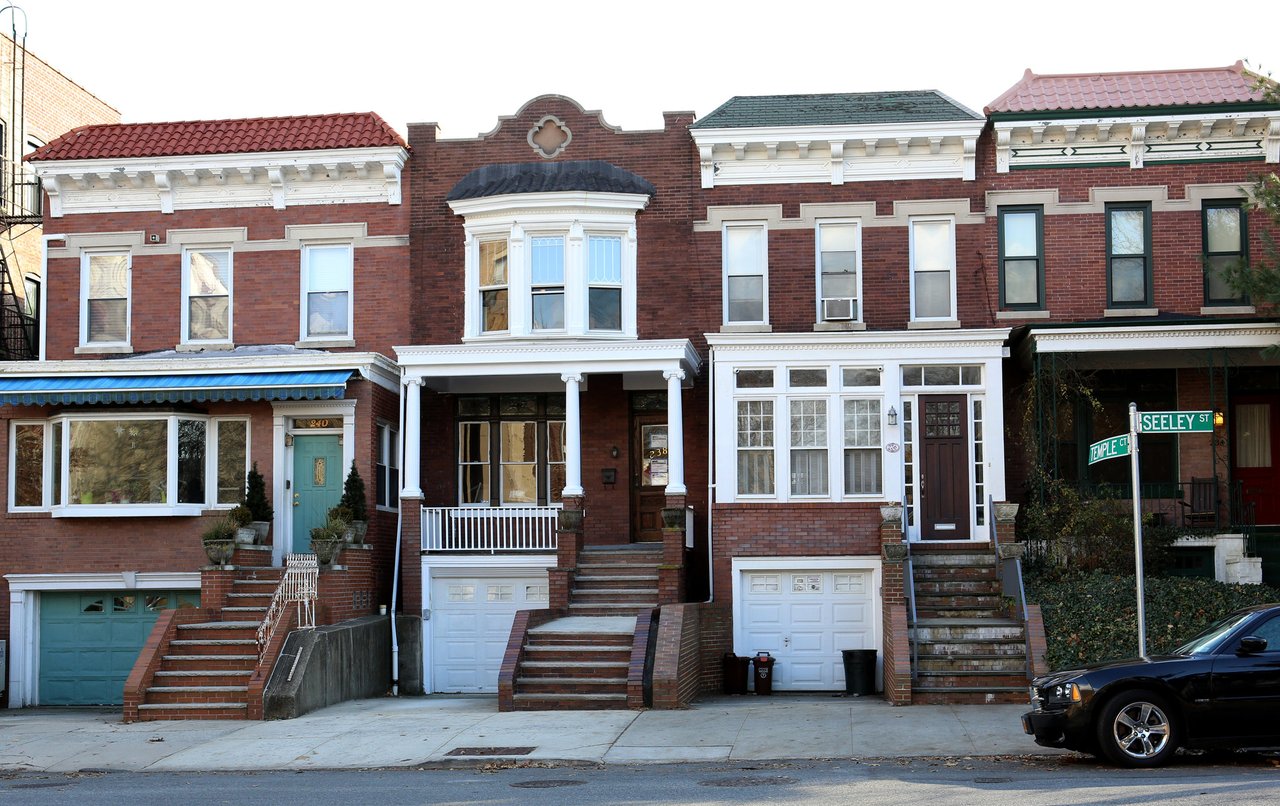
In many cases, boutique firms emphasize specialization. Some focus on townhouses and brownstones in Brooklyn. Others specialize in Manhattan co-ops or downtown loft conversions. This level of specialization can influence how listings are priced and marketed in highly competitive neighborhoods.
How Large Brokerages Structure Their Agent Teams
Large real estate brokerages operate differently. These firms may have thousands of agents across multiple offices throughout Manhattan, Brooklyn, and other boroughs. Their size allows them to maintain large marketing departments, training programs, and global networks of buyers.
Agents in large firms often operate as independent businesses within the brokerage. They may build their own teams, marketing systems, and client pipelines. Some agents sell dozens of homes each year, while others may complete only a few transactions annually.
Because of this wide range of experience levels, the quality of service can vary significantly from agent to agent. In practice, buyers and sellers often work with an individual agent rather than the brokerage as a whole. This is why many experienced real estate observers emphasize the importance of evaluating the agent's track record rather than relying only on the company name.
In New York City, large brokerages are particularly common in luxury markets and new development projects, where marketing scale and international buyer networks can play a role.
How Recruiting Strategies Shape Agent Quality
Brokerages differ widely in how they recruit and manage agents. Some firms prioritize rapid growth and recruit large numbers of agents each year. Others maintain smaller teams and recruit selectively.
Recruiting strategy can influence the overall experience level of the agents working at a brokerage. Firms that recruit aggressively may include many newer agents who are still building experience. This approach allows companies to grow quickly but can create a wide range of production levels within the same brokerage.
More selective brokerages often focus on experienced agents who already have established client relationships and transaction histories. These firms may maintain smaller teams but with agents who are actively involved in the market.
In New York City, where transactions often involve complex co-op board approvals and detailed contract negotiations, agent experience can influence how smoothly a deal progresses from accepted offer to closing.
How Agent Production Affects Client Service
One of the most important factors in real estate performance is agent production. Production refers to how many homes an agent successfully buys or sells each year.
Agents who complete many transactions typically develop stronger negotiation skills and deeper knowledge of the local market. They regularly interact with other agents, attorneys, and building management teams, which can help them anticipate potential problems during a deal.
Higher production levels can also improve an agent's understanding of pricing strategy. In competitive Manhattan or Brooklyn markets, accurately pricing a listing can influence how quickly it sells and whether multiple offers appear.
However, production alone does not determine the level of service a client receives. Some high producing agents operate large teams that handle different aspects of the transaction, while other agents manage fewer listings and work directly with clients throughout the process.
How Brokerage Culture Influences Client Experience
Every brokerage develops its own internal culture. This culture can affect how agents collaborate, share market information, and support one another during negotiations.
In boutique firms, agents often interact frequently and may share insights about buyers who are searching for homes in the same neighborhood. Because the teams are smaller, communication tends to be more direct and informal.
Large brokerages operate differently. With many agents across multiple offices, internal collaboration may depend more on formal systems such as shared databases or marketing platforms. These systems can provide access to large networks of agents and listings across the city.
Both structures can support successful real estate transactions. What matters most is how individual agents use the resources available to them when representing clients.
Practical Insights for Buyers and Sellers
When choosing a real estate agent in New York City, brokerage size is only one factor to consider. The individual agent's experience, communication style, and recent transactions often matter more.
Things to consider when choosing an agent
-
Experience selling similar properties
-
Knowledge of the specific neighborhood
-
Recent transaction history in the local market
-
Negotiation experience in competitive listings
-
Familiarity with co-op boards and building requirements
Questions buyers or sellers should ask
-
How many homes do you sell each year?
-
What neighborhoods do you specialize in?
-
How do you market listings in Manhattan or Brooklyn?
-
How do you approach negotiations with competing offers?
-
What challenges do you see in the current market?
These questions can help buyers and sellers understand how an agent approaches real world transactions and whether their experience matches the client's goals.
NYC Market Context and Transaction Realities
The structure of a brokerage can influence how deals unfold in New York City. Transactions here often involve multiple steps that differ from other housing markets.
For example, co-op purchases require board approval, which means buyers must submit detailed financial documentation and complete an interview process. Agents who frequently handle co-op transactions often understand how to guide clients through this stage.
Competition is another major factor. In desirable Manhattan and Brooklyn neighborhoods, listings can receive multiple offers within days. Agents who understand pricing strategy and buyer behavior may help clients position their offers more effectively.
Off market opportunities also play a role in the NYC housing market. Some listings are shared privately between agents before they appear on public websites. Agents with strong professional networks may learn about these opportunities earlier.
These factors show why experience and relationships often influence outcomes in New York City real estate.
Frequently Asked Questions
Are boutique real estate brokerages better?
Boutique brokerages are not automatically better or worse than large firms. They simply operate with different structures. The most important factor for buyers and sellers is the experience and track record of the individual agent handling the transaction.
Do large brokerages have more resources?
Large brokerages often have larger marketing departments and global networks. These resources can help promote listings widely. However, the effectiveness of those resources depends on how an individual agent uses them.
How important is agent experience in NYC real estate?
Experience can be very important in New York City transactions. The market involves complex negotiations, co-op board approvals, and competitive bidding situations. Agents who regularly handle these scenarios often navigate them more smoothly.
Should buyers choose an agent based on brokerage size?
Most buyers and sellers benefit from focusing on the agent rather than the brokerage brand. An agent's recent transaction history, negotiation experience, and neighborhood expertise usually provide more useful information than the size of the firm.
Understanding How Brokerages Really Work
The real estate brokerage landscape in New York City includes both boutique firms and large global companies. Each structure operates differently and provides agents with different tools, networks, and resources. What ultimately matters for buyers and sellers is how effectively an individual agent uses those resources to price listings, negotiate deals, and guide clients through complex transactions.
In competitive markets across Manhattan and Brooklyn, experience, local knowledge, and professional relationships often shape the outcome of a sale or purchase. DecodeNYC helps buyers and sellers understand how the New York City real estate industry works by explaining brokerage structures, negotiation dynamics, and the practical realities behind property transactions across the city.