New York City’s real estate map is filled with neighborhoods whose reputations drive their prices. Yet Yorkville, tucked into the Upper East Side between 79th and 96th Streets, has long remained a market anomaly. Buyers often ask why is Yorkville so cheap compared to nearby areas like Carnegie Hill or Lenox Hill. The answer lies not in lack of quality, but in timing, infrastructure, and perception.
At Decode Real Estate, we analyze submarkets like Yorkville New York, to uncover hidden value and long-term growth potential. Yorkville’s combination of accessibility, architecture, and understated charm makes it one of the most strategically positioned neighborhoods in Manhattan for both first-time buyers and investors.
The Geography and Character of Yorkville
Yorkville occupies the northeastern corner of the Upper East Side, bordered by East 79th Street to the south, East 96th Street to the north, and the East River along its edge. Once known for its strong German, Hungarian, and Czech communities, the neighborhood retains traces of its Old World roots through its bakeries, small shops, and classic prewar buildings.
Unlike the rest of the Upper East Side, Yorkville developed at a slower pace during Manhattan’s boom periods. This slower evolution allowed the neighborhood to maintain a quieter, residential feel, but it also meant it missed some of the early luxury development that elevated values south of 79th Street.
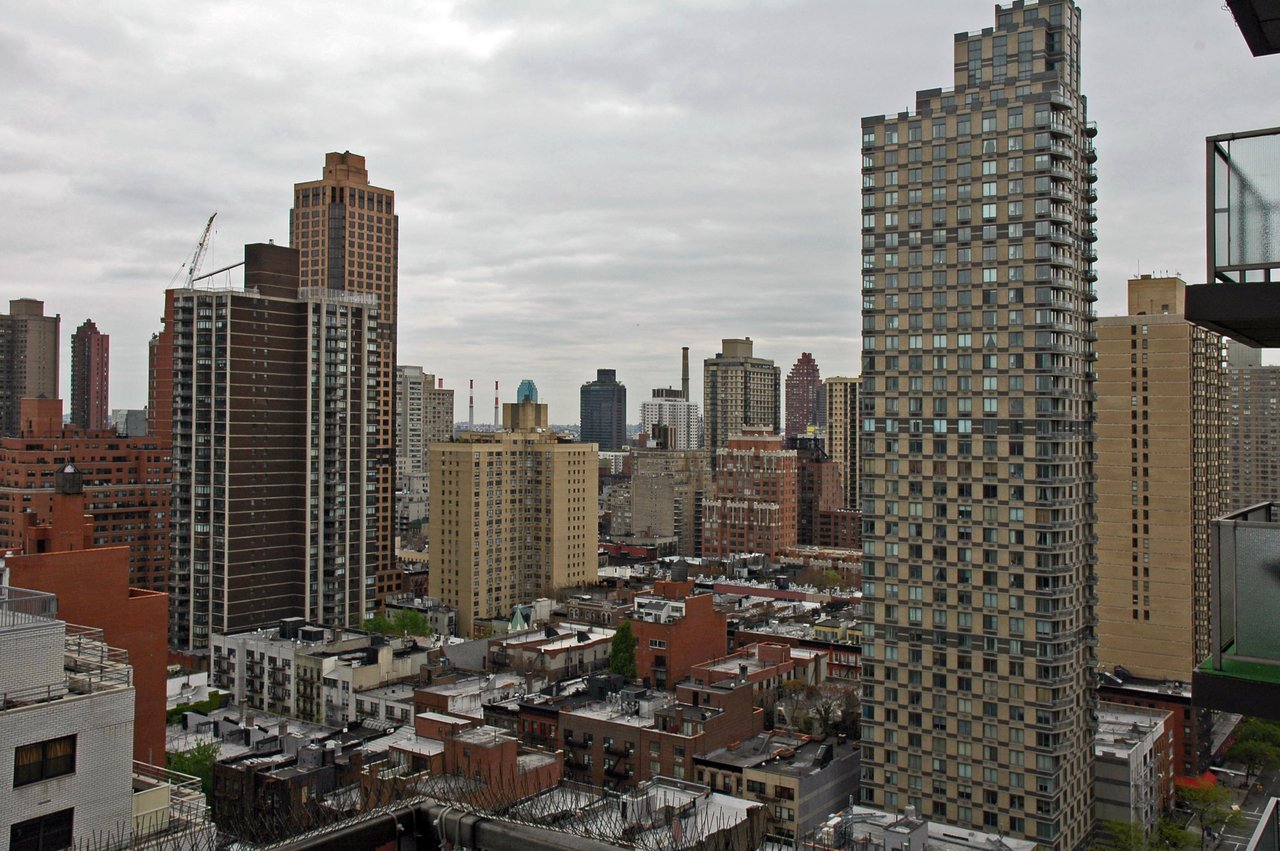
Architecturally, Yorkville is a mix of postwar high-rises, brownstones, and mid-century co-ops. While these buildings may lack the ornate facades of Fifth Avenue prewars, they offer practical layouts, larger windows, and lower carrying costs, features that appeal to buyers seeking everyday livability rather than prestige pricing.
Why Yorkville Prices Have Remained Lower
Buyers researching why is Yorkville so cheap will find that its relative affordability stems from a few long-standing factors. Chief among them is its historical isolation from Manhattan’s main transportation grid. For decades, the lack of a nearby subway limited convenience, and as a result, values lagged behind comparable neighborhoods.
The dynamic changed with the completion of the Second Avenue Subway, which now runs through Yorkville, connecting residents directly to Midtown and Lower Manhattan. Despite this major upgrade, perception often lags behind reality. Many buyers still associate Yorkville with its quieter, less connected past, which keeps prices below those of comparable Upper East Side markets.
In addition, the building stock itself contributes to price differences. Yorkville features a significant number of co-ops rather than new luxury condos, and many lack the high-end amenity packages that drive premiums in newer developments. While this keeps prices moderate, it also offers long-term stability and low entry points for ownership.
Key Reasons Yorkville Has Stayed Affordable
-
Historical Isolation: Until recently, the absence of subway access limited demand growth.
-
Building Type and Age: The prevalence of older co-ops and rental conversions holds down average pricing.
-
Market Perception: Many buyers still underestimate the convenience and appeal of modern Yorkville.
These conditions make Yorkville a case study in how overlooked submarkets can deliver strong value and potential upside.
The Transformation of Yorkville New York
The Yorkville of today is vastly different from even a decade ago. With the Second Avenue Subway completed and new retail corridors emerging, the neighborhood has begun to attract buyers who once dismissed it as too far east.
Restaurants, cafés, and boutique fitness studios now line Second and Third Avenues. A new generation of residents has moved in professionals, young families, and investors who recognize that Yorkville’s value extends beyond its price point.
Architectural diversity remains one of Yorkville’s strengths. While luxury condominiums have begun to appear along East 86th and 88th Streets, many of the neighborhood’s most appealing properties are still found in modest prewar co-ops or updated postwar towers. These buildings offer generous proportions, city views, and access to excellent schools, parks, and medical facilities.
Lifestyle and Community Appeal
-
Access to the East River: The newly revitalized East River Esplanade provides waterfront recreation and open space.
-
Cultural Continuity: Longstanding institutions like Schaller & Weber and Heidelberg Restaurant maintain the area’s European heritage.
-
Residential Balance: Yorkville offers the rare combination of peace, accessibility, and affordability within Manhattan.
These qualities make living in Yorkville New York an attractive alternative for buyers seeking quality of life without Upper East Side premiums.
Real Estate Market Trends
Yorkville’s real estate market is experiencing steady appreciation, driven by infrastructure improvements and demographic shifts. Prices per square foot remain significantly lower than in Lenox Hill or Carnegie Hill, but transaction volumes and interest have grown consistently since the subway’s completion.
Buyers can expect a mix of inventory, from starter studios and one-bedrooms to spacious three-bedroom co-ops. Condominiums have begun to appear at select addresses, offering luxury finishes and waterfront views that signal the neighborhood’s continuing evolution.
From an investment standpoint, Yorkville offers both value and potential. Rental demand remains strong due to its proximity to healthcare institutions and schools, while ownership opportunities appeal to those priced out of central Upper East Side corridors.
Market Highlights
-
Average Pricing: Co-op prices generally trail the Upper East Side average by 15–25 percent.
-
Inventory Mix: Roughly 70 percent of the neighborhood’s buildings are cooperatives, many with solid financials and low maintenance.
-
Emerging Development: New condominiums and amenity-rich rentals are gradually redefining market expectations.
These metrics illustrate a neighborhood in transition — one where early buyers are likely to see consistent long-term growth.
Decode Real Estate’s Perspective
At Decode Real Estate, we view Yorkville as one of the most strategically positioned neighborhoods for value-driven buyers. The combination of transportation upgrades, architectural diversity, and relative affordability creates a rare market window in Manhattan.
Our clients often discover that Yorkville delivers everything they expect from the Upper East Side excellent schools, quiet streets, and proximity to Central Park — but at a more accessible price. For investors and end users alike, it represents an opportunity to secure long-term equity in a maturing market.
We continue to track development pipelines, resale trends, and appreciation patterns to guide buyers toward properties that balance affordability and quality.
How Decode Real Estate Helps Yorkville Buyers
-
Market Knowledge: Deep understanding of co-op boards, building quality, and neighborhood dynamics.
-
Buyer Representation: Skilled negotiation in competitive yet undervalued segments.
-
Investment Strategy: Identification of properties with renovation potential and upside value.
-
Local Insight: Real-time awareness of new listings, developments, and market momentum.
Our approach ensures clients make informed, strategic decisions grounded in expertise and precision.
Why Yorkville’s Value Won’t Last Forever
The question why is Yorkville so cheap may soon become outdated. Infrastructure, amenities, and shifting buyer perception are rapidly repositioning the neighborhood within Manhattan’s competitive real estate hierarchy.
As more buyers recognize its accessibility and livability, price gaps with other Upper East Side submarkets are narrowing. For those who value community character, architectural substance, and long-term stability, Yorkville New York represents one of the most compelling investment stories in the city.
Decode Real Estate remains committed to helping clients identify emerging opportunities like Yorkville neighborhoods where design, infrastructure, and timing align to create lasting value. To explore current listings and insights, visit decodenyc.com.