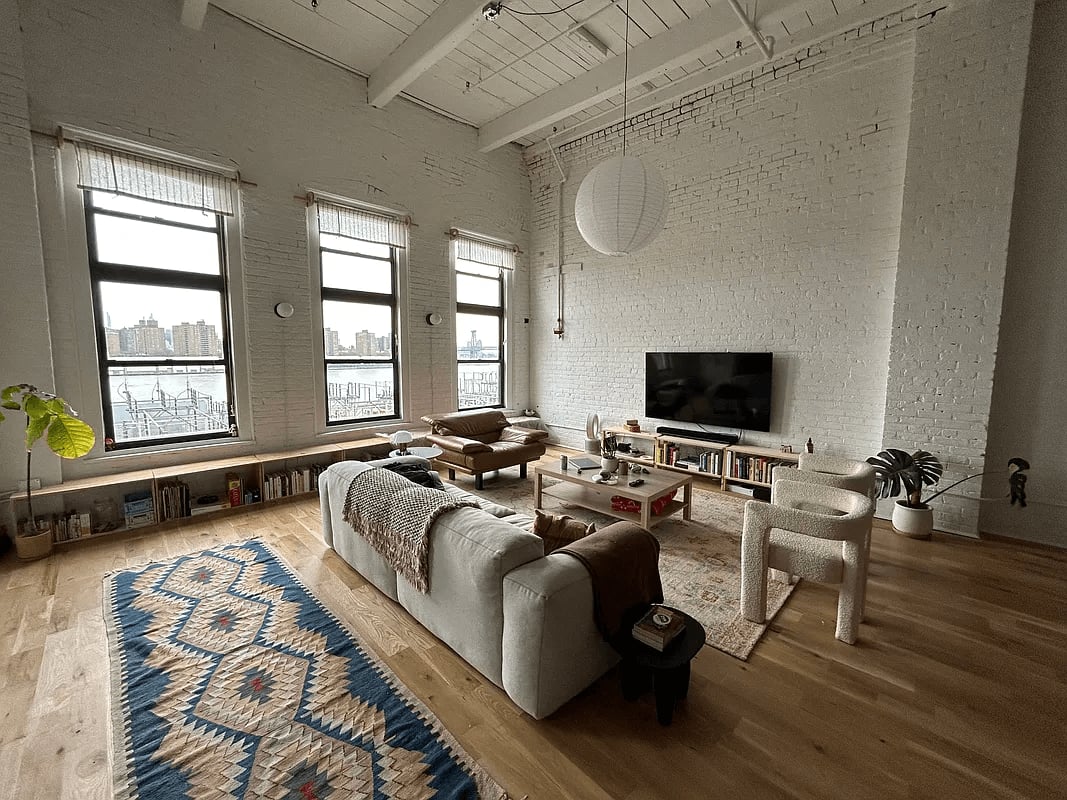
DUMBO has matured into a stable, well-defined neighborhood with a clear identity, shaped by loft conversions and waterfront spaces. Its earliest residents valued scale, light, and creative openness, but today a wider group sees the area as a balanced residential option. The neighborhood still honors its industrial past, yet its housing stock, public spaces, and retail layers show how much it has evolved.
This guide examines DUMBO’s loft patterns, market behavior, waterfront influence, and realistic expectations for future development. It also outlines how buyers approach the neighborhood and what they should prepare for before entering the market.
Understanding DUMBO’s Loft Housing Stock
DUMBO’s loft buildings began as manufacturing structures with heavy concrete slabs, wide windows, and high-weight-bearing floors. These buildings adapted efficiently to residential conversion because they offered open layouts and generous spans. Buyers often choose these homes for their scale and proportion rather than for decorative features.
The classic loft structures include large window bays, thick columns, exposed pipes, and heavy frames. These details offer character but also create layout constraints. Buyers who value originality usually accept these limits because the overall volume compensates for reduced wall options. Newer loft conversions feature more polished finishes but still retain an industrial core.
Prices vary by light, scale, ceiling height, view lines, and building management. Homes with open exposures attract a premium, but interior units still move steadily when the design is efficient. Buildings with strong reserves, solid boards, and consistent maintenance also help stabilize values.
A broader view of neighborhood patterns can be found in other area guides, such as our Park Slope overview at https://decodenyc.com/neighborhoods/park-slope. This comparison helps buyers understand how loft markets differ across Brooklyn.
Buyers preparing for a loft search often start with a structured plan. Useful points include:
• Identifying which buildings offer generous floor plates
• Noting how each block handles light, noise, and foot traffic
• Reviewing building financials and long-term maintenance plans
• Understanding rules about renovations or structural changes
These steps help buyers enter the process with realistic expectations.
How Buyers Experience the Neighborhood
DUMBO draws residents who value scale and simplicity. The neighborhood retains an industrial texture, yet the streets feel more controlled and predictable than many new development clusters. Buyers often consider lifestyle needs early in the process because lofts vary widely in layout, privacy, and natural light.
Residents describe the neighborhood as compact and easy to navigate. Streets remain active during peak hours but are quieter in the early mornings and evenings. Cafes, restaurants, and small retailers operate close to the waterfront and along key corridors. This creates a consistent rhythm that supports daily routines without overwhelming the area.
Buyers also consider how loft living affects daily life. Many homes use open layouts rather than segmented rooms, which offer greater flexibility but reduce traditional separation. Families often choose buildings with common areas or nearby parks because these spaces expand usability. Singles and couples typically value the spacious rooms and generous ceiling heights.
Touring a range of buildings is essential because each structure carries unique limitations and advantages. Even small changes in elevation or window direction can shift the overall feel of a loft. Buyers often explore several building types before settling on a preferred style.
Waterfront Character and Price Stability
DUMBO’s waterfront defines much of the neighborhood’s identity. The parks, paths, and open spaces support year-round activity even in colder months. The constant movement of ferries, cyclists, and visitors creates a dynamic environment that shapes daily life for many residents.
The waterfront also influences pricing more directly than most other neighborhood features. Homes with expansive views command consistent demand because the skyline remains a highly valued asset. Limited waterfront parcels keep supply scarce, supporting long-term expectations of stable prices.
Yet the waterfront’s popularity brings trade-offs. Streets near the water see heavy weekend foot traffic. Some buyers prefer interior blocks with quieter conditions and more privacy. These homes still offer strong value, as the building quality and layout compensate for the lack of views.
The waterfront also creates a clear boundary for future development. Most major sites are already planned or completed. This gives buyers confidence because the long-term landscape is predictable. Many neighborhoods experience ongoing construction cycles, but DUMBO moves at a steadier pace.
Retail Layers and Daily Services
Retail options in DUMBO focus on smaller operators, wellness services, and curated shops. This mix reinforces the neighborhood’s identity because it avoids large chains and oversized commercial footprints. The retail core fits the streets' physical structure, which remains narrow and walkable.
Food and beverage options concentrate near the waterfront and along key corridors. Some operate year-round, while others shift hours with the seasons. Buyers who value morning routines often choose buildings close to reliable cafes. Those who prefer quieter surroundings may pick blocks deeper into the neighborhood.
Service needs such as gyms, markets, or hardware stores remain accessible within DUMBO or in nearby districts. Buyers usually evaluate these conveniences during early tours because they shape daily routines more than many expect.
Development Trends and Future Change
DUMBO will not experience broad expansion because most viable parcels are built or committed. Development now focuses on targeted upgrades, selective renovations, and improvements to public infrastructure. This pattern supports stability because large, unpredictable projects are unlikely.
Loft buildings often undergo phased upgrades to mechanical systems, elevators, windows, and common spaces. These improvements help older lofts compete with newer buildings. Buyers should evaluate long-term capital plans, as they indicate how buildings balance preservation with modernization.
Newer developments in the area emphasize amenities, structured layouts, and modern infrastructure. They attract buyers who want predictability without sacrificing location. To understand how DUMBO’s growth compares to broader city development, you can review current projects at https://decodenyc.com/new-development.
Zoning constraints also guide future change. Height limits, landmark rules, and waterfront protections restrict large shifts. Most change will appear in interior upgrades, retail adjustments, and continued park improvements.
How Buyers Should Approach the Search
Buyers benefit from a focused and prepared approach because inventory remains limited. Homes with strong exposures, generous layouts, or rare features draw immediate attention. Touring early and understanding building differences helps buyers make informed decisions.
A detailed buyer plan often includes:
• Touring classic conversions and newer construction
• Reviewing board requirements and building financials
• Checking light and noise levels at several times of day
• Confirming renovation rules and structural limits
These steps create clarity and reduce surprises during contract review. Buyers who prepare early often move more confidently once they identify the right home.
Neighborhood expectations remain steady. Movement slows during the winter months and increases with spring activity. Pricing reacts more to building quality than to seasonal patterns.
What the Next Chapter Means for Residents
The next phase of DUMBO will focus on refinement rather than major transformation. Infrastructure will continue to strengthen. Parks will receive ongoing upgrades. Buildings will modernize mechanical systems as needed. Retail can adjust with new operators, but the district’s overall rhythm will remain stable.
Residents can expect predictable surroundings for the next several years. The loft stock will continue anchoring neighborhood identity, while modern buildings will support buyers seeking amenities. The mix creates balance without losing character.
If You Want Support Navigating DUMBO
If you want guidance on buying in DUMBO, reach out anytime.