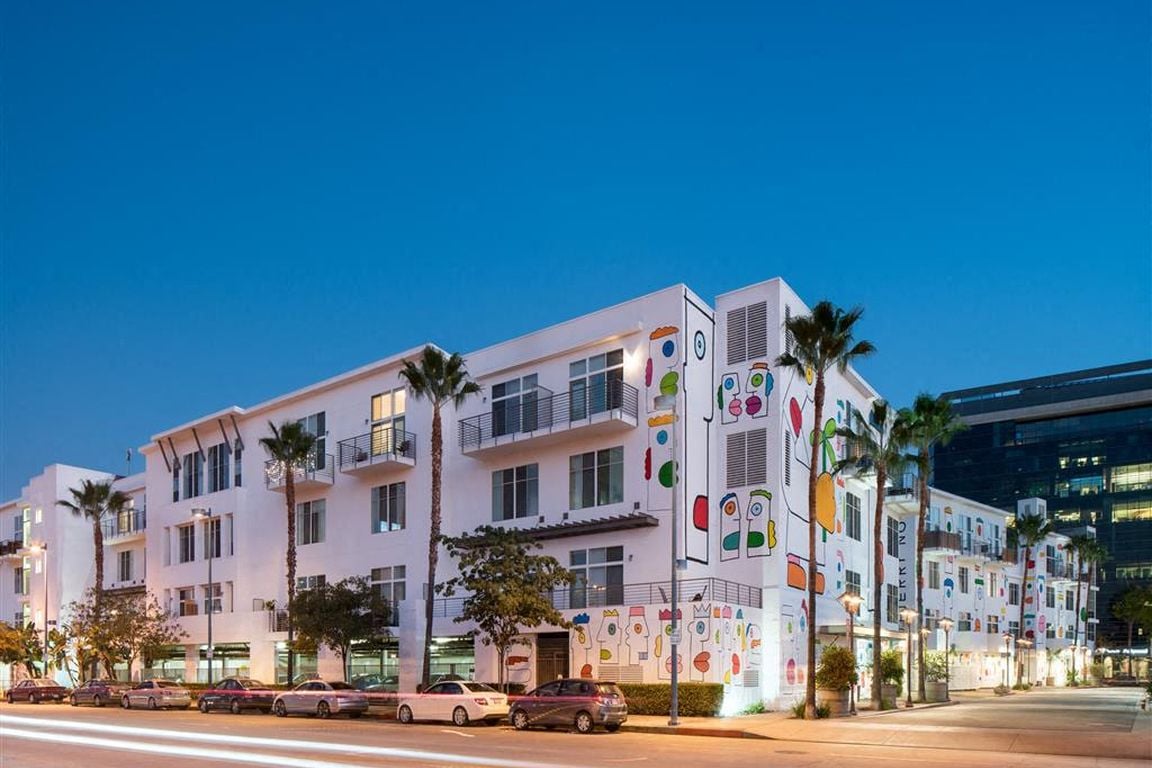
NoHo is one of Manhattan’s most compact and character wealthy neighborhoods. It sits just above Houston Street and blends historic industrial buildings with selective modern development. The loft identity is central to the area, both culturally and architecturally.
Housing in NoHo ranges from prewar commercial conversions to boutique new builds. The streets are walkable, transit access is strong, and the neighborhood's scale keeps it intimate. A building like 40 Bleecker shows how new construction can align with NoHo’s style while offering current amenities.
If you want to compare NoHo to other areas, you can look at the broader neighborhood guides here:
https://decodenyc.com/neighborhoods
NoHo Buildings and the Modern Loft Landscape
NoHo’s building stock reflects several eras of development. Loft conversions from the 1970s and 1980s sit alongside newly built condominiums that reinterpret the same proportions in a contemporary way. This creates a balanced market for buyers who want either original details or a modern version of the loft aesthetic.
40 Bleecker in particular shows how new buildings can support the neighborhood’s scale without losing a sense of craft. Its residences, lobby design, and detailing echo the neighborhood’s preference for clean lines, natural materials, and light-focused layouts.
40 Bleecker Street
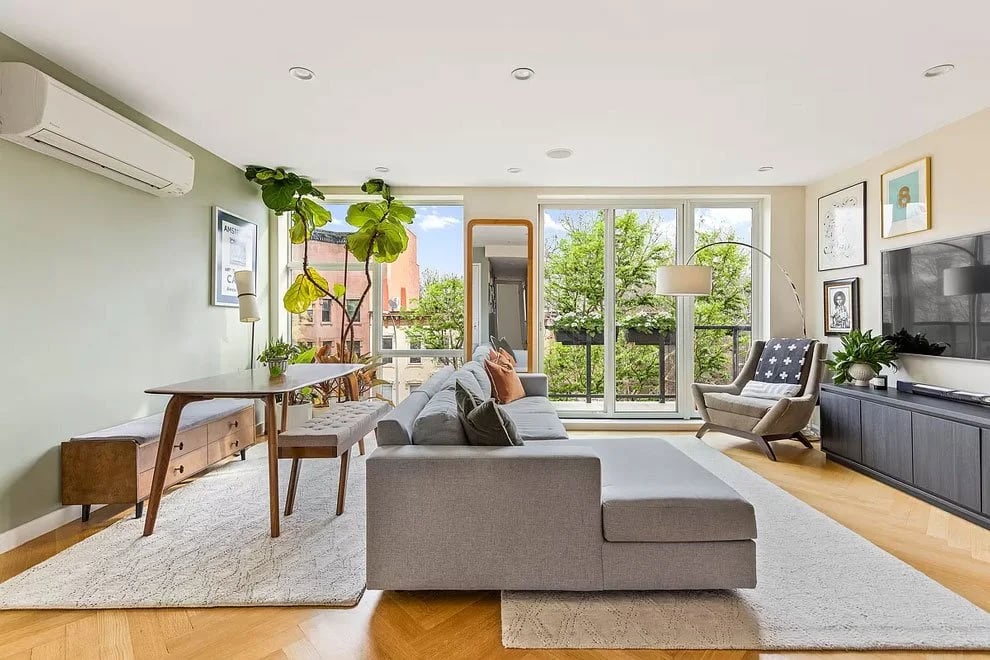
This boutique condominium is one of the most recent additions to NoHo’s housing stock. It offers modern layouts, large windows, and a restrained design palette suited to buyers who want current finishes without leaving the neighborhood’s loft character behind.
Amenities remain modest and well considered. Private terraces in select units add value in a dense part of Manhattan where outdoor space is rare. For a look at the building, you can review available listings here:
https://decodenyc.com/home-search/listings/6105405519698981166-40-BLEECKER-Street-7B
How New Development and Conversions Coexist
The neighborhood supports both new construction and the preservation of commercial structures. Buyers can decide whether they prefer original industrial elements or the efficiency of a recently built condominium. This choice mirrors patterns in other mixed building stock areas, such as NoMad.
For context on how development trends shape these parts of Manhattan, you can read a related market piece here:
https://decodenyc.com/blog/decode-nomad-where-boutique-developments-lead-the-market
Loft Law, Zoning and Air Rights in NoHo
Loft living in NoHo is shaped by several regulatory frameworks. Buyers and sellers benefit from understanding these rules early because they guide what a building can become and whether specific renovations or expansions are possible.
The primary considerations involve the Loft Law, local zoning classifications, and the presence of unused development rights. These issues influence safety compliance, building value and long-term planning for both individual units and entire properties.
The Loft Law Explained
The Loft Law defines how former commercial or manufacturing buildings become legal residential dwellings. It sets criteria for when a building qualifies and outlines the steps required to bring it up to residential code.
The process usually includes filing alteration applications, carrying out necessary fire safety and habitability upgrades, and securing a residential certificate of occupancy. It protects occupants during the transition period and stabilizes the path toward full legal status. Buildings that qualify must complete the legalization process before they can operate like typical residential properties.
Zoning and Air Rights
Zoning in NoHo shapes height limits, use restrictions, and potential development. Each lot has an allowed amount of floor area. If a building does not use all of its permitted floor area, the unused portion is commonly referred to as development rights or air rights.
Owners sometimes use these rights to expand the building, though structural limits, landmark guidelines, or special district rules may prevent it. Rights can also be transferred to adjacent lots if zoning conditions are met. This creates redevelopment opportunities but requires careful review. For a clear explanation of how these issues appear in similar downtown areas, you can read this piece:
https://decodenyc.com/blog/air-rights-roof-rights-and-other-soho-property-quirks-investors-should-know
Risks for Buyers and Sellers
Incomplete legalization can delay financing, limit insurance, and restrict renovation work. Buyers should check the building’s status early and confirm whether required upgrades have been completed. Sellers may need to address outstanding compliance items before listing.
Zoning limits also affect value. A building with no remaining development rights may have fewer future options. One with unused rights may present opportunities but also attract more complex due diligence.
Lifestyle and Buyer Trends in NoHo
NoHo attracts residents who want a central downtown location without the retail intensity of SoHo. Block by block, the area maintains a quieter scale and supports a mix of creative workspaces, dining, and residential pockets.
Buyers often choose NoHo for volume and light rather than amenities. Lofts with high ceilings and open layouts appeal to both long-term residents and newcomers to the neighborhood. Newer buildings offer cleaner mechanical systems, modern finishes, and structured services for those who prefer ease of ownership.
Practical Due Diligence for NoHo Lofts
Buyers and sellers benefit from an organized approach. Loft buildings can be straightforward or highly technical, depending on their history. Keeping the review process structured limits surprises later.
Here is one list you can use when evaluating a NoHo loft:
-
Confirm the building’s legal status, including any Loft Law history
-
Review zoning to understand present use and development limits
-
Check for any remaining legalization items or open building permits
-
Study the unit’s layout and mechanical systems for renovation potential
-
Compare the property with both loft conversions and newer condominiums
Moving Forward
A clear understanding of buildings, regulations, and lifestyle patterns can make the NoHo loft market accessible and predictable. Whether you prefer a converted commercial space or a newer interpretation of loft living, the neighborhood supports both choices with a consistent downtown feel.
If you want guidance on evaluating a NoHo loft or reviewing zoning or building status, reach out anytime.