A.I.R. certification remains a key pathway for legal residential use in New York City manufacturing districts. The rule affects many lofts in SoHo, NoHo, and other legacy artist-zoned areas. Buyers, sellers, and attorneys rely on this certification to confirm legal occupancy.
This guide explains the 2026 requirements in a clear, structured format. It also outlines the documents buyers need, the risks involved, and how attorneys approach compliance.
What A.I.R. Certification Means
A.I.R. stands for Artist in Residence. The certification was created to regulate residential use in manufacturing districts where only qualifying artists could legally live. Many buildings still operate under these zoning requirements, so the rules remain active for loft buyers and sellers.
Although the program is historic, the compliance obligation is real. Certification documents often become part of a sale package, and lenders may request proof. You can compare this to development-focused zoning reviews discussed at https://decodenyc.com/new-development.
Who Qualifies for A.I.R. Status in 2026
The city evaluates applicants through the Department of Cultural Affairs. Two or three lines ensuring compliance: Applicants must show ongoing professional activity in a recognized creative field. The goal is to confirm that the space will support an active artistic practice rather than general residential use.
Applicants typically demonstrate history, continuity, and professionalism. The city does not require commercial success. Instead, it reviews evidence that the applicant consistently produces creative work.
Required Evidence for Eligibility
This subsection clearly explains the criteria. Applicants usually provide a short professional biography and a record of creative work. Documentation must support a sustained artistic practice.
Typical supporting materials include:
-
Selected work samples that show current creative activity
-
A CV with exhibitions, clients, or performances
-
A short written summary of the applicant’s artistic practice
How the A.I.R. Certification Process Works
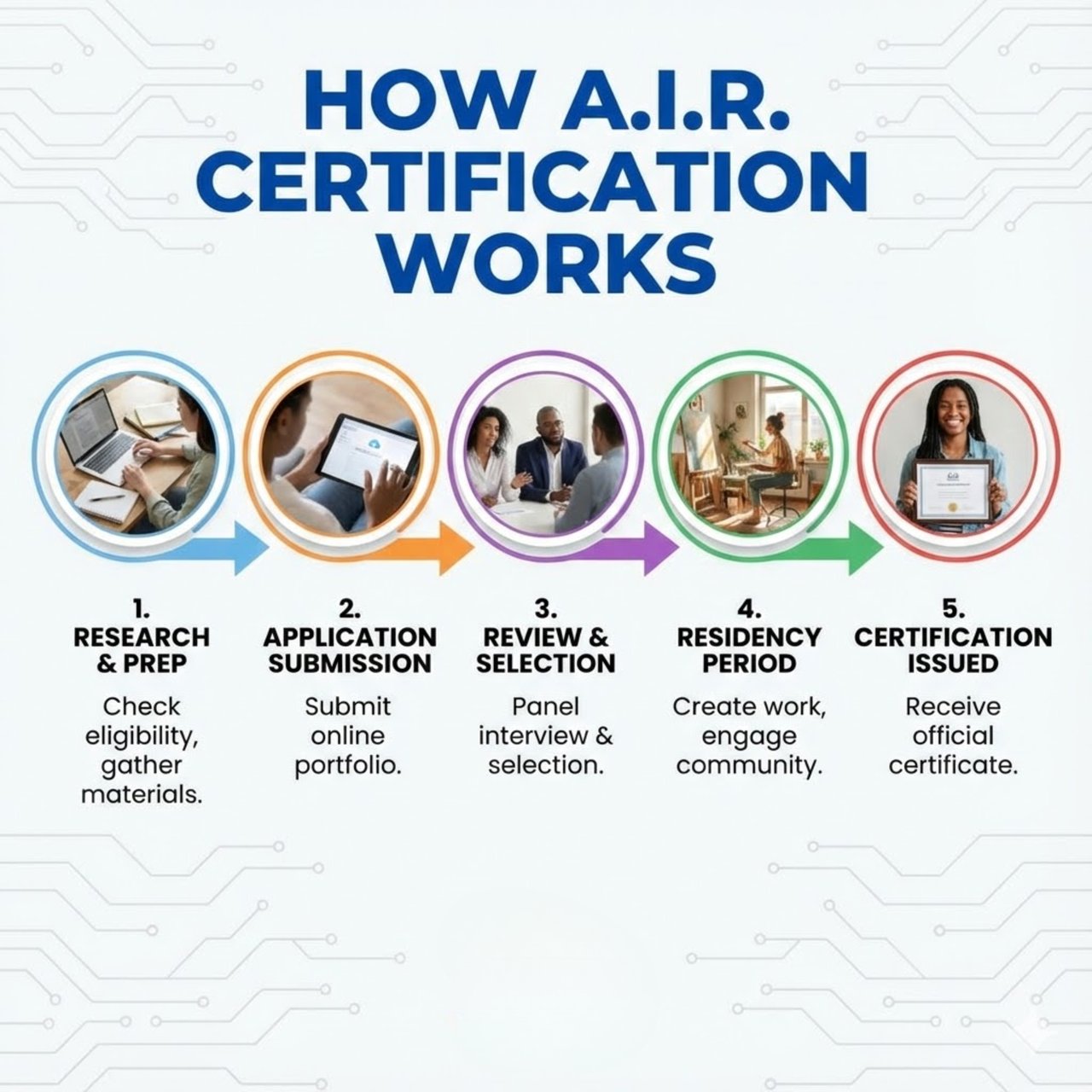
The application process follows a predictable structure. Two or three lines required: Applicants collect documents, submit the online form, and wait for review by the Department of Cultural Affairs. The city reviews materials independently and sends a written decision.
Timing may vary, but applicants should expect several weeks of processing. Early preparation helps prevent delays during contract review or closing.
Main Application Steps
These steps help buyers and attorneys understand sequencing. Each step plays a role in avoiding contract delays.
-
Confirm building zoning and whether A.I.R. rules apply.
-
Prepare documents showing artistic practice.
-
Apply through the city’s portal.
-
Respond to any clarification requests from reviewers.
-
Provide the approval letter to legal teams once issued.
Key Application Materials and What They Must Show
The Department of Cultural Affairs expects explicit, well-organized materials. Two or three lines required: Each file must show that the applicant is an active professional in an eligible creative field. The documents should fit together without contradiction.
The strongest applications present work examples, a concise written statement, and a CV that demonstrates consistent activity over time. Applicants should avoid overly complex submissions.
Zoning Rules That Affect A.I.R. Units
A.I.R. certification exists to align residential use with zoning controls in manufacturing districts. Two or three lines required: Many blocks in SoHo and NoHo still require certified artist occupancy. Buyers must confirm whether a unit falls under these rules because zoning designations vary widely.
These zoning rules remain important for due diligence. If you want background on how local zoning shapes residential use, you can compare this to the insights in the SoHo guide at https://decodenyc.com/neighborhoods/soho.
Why Zoning Still Matters for Loft Transactions
This subsection explains why zoning continues to influence negotiations. Certification supports lawful occupancy, protects lenders, and reduces legal risk during closing.
Buildings with older certificates of occupancy may also include conditions tied to artist use. Attorneys review these documents carefully during transactions.
Due Diligence for Buyers and Sellers
Thorough due diligence helps prevent costly issues. Two or three lines required: Attorneys examine zoning, past certifications, alteration records, and the history of occupancy. Buyers should understand whether they themselves must qualify for A.I.R. status.
Key areas of review include building zoning, certificates of occupancy, safety compliance, and any Loft Law history. These factors shape deal timing and price strategy.
Risks for Buyers in Non-Certified Units
Purchasing a unit without proper certification carries legal and financial risks. Two or three lines required: Buyers may face occupancy restrictions, application rejections, or financing delays. Units with unclear status often require deeper attorney review.
The central risk is enforceability. When zoning rules require artist occupancy, buyers must demonstrate eligibility if they plan to live in the unit.
Risks for Sellers and How to Prepare
Sellers must anticipate legal questions from buyers’ attorneys. Two or three lines required: Missing documentation can slow negotiations or cause buyers to request price adjustments. Preparing early helps maintain momentum in a listing.
Sellers should gather all certification letters, confirm renovation records, and review disclosures. For a broader regulatory context, the articles in https://decodenyc.com/blog can also help sellers understand related compliance matters.
Step-by-Step Guide to the 2026 Application
This section helps applicants follow the process from start to finish. Two or three lines required: The steps align with the Department of Cultural Affairs review timeline and the needs of attorneys managing a transaction.
The guide supports both first-time applicants and returning residents seeking updated certification.
The Five Core Steps
-
Verify whether the building still requires A.I.R. certification.
-
Prepare your CV, work samples, and written statement.
-
Submit the application and documents online.
-
Allow several weeks for agency review.
-
Provide the approval letter to legal teams once received.
What Happens After Certification
Certified applicants may occupy the unit legally under zoning rules. Two or three lines required: Certification attaches to the individual rather than the property, so future buyers must reapply if the rule remains in effect. This distinction is essential for planning future sales.
Certification must be maintained in the transaction record because lenders and attorneys may request proof again during resale.
Final Notes for Buyers and Sellers
A.I.R. certification helps establish safe, lawful occupancy in NYC loft buildings. Careful document preparation and early zoning review reduce risk and improve transaction timing. If you want guidance on preparing an A.I.R. application or reviewing a loft for sale, reach out anytime.