Selling a property after the owner passes away in New York City requires several legal steps. Executors and heirs must wait for proper authority before listing or signing contracts. This guide explains how letters testamentary, probate, and closing obligations work in NYC, with a calm and practical focus on timing and process.
Understanding Probate and Letters Testamentary
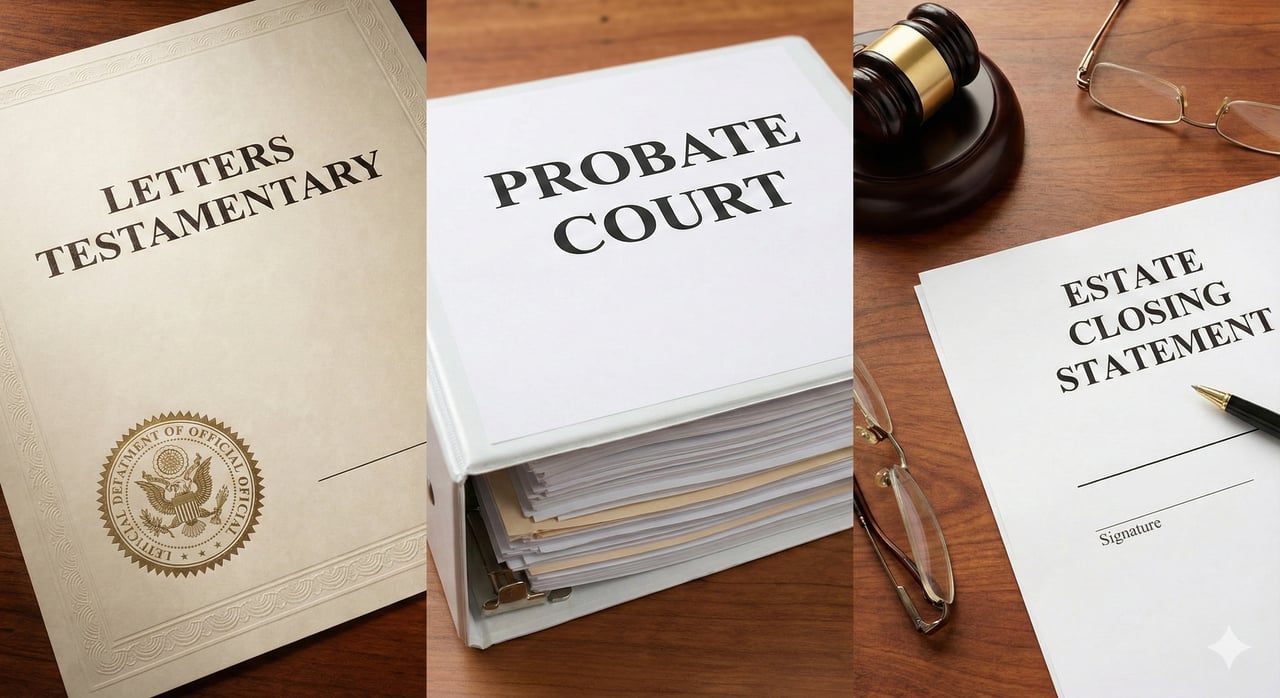
Probate is the court process that confirms a will and appoints a legal representative for the estate. In NYC, this occurs in the County Surrogate’s Court. Once the court accepts the will, it issues letters testamentary. These documents give the executor the ability to manage all estate property, including real estate.
Without letters testamentary, you cannot sign a contract of sale. You also cannot transfer the deed or complete a closing. The court must validate your authority before any transaction is considered legally binding. If there is no will, the court issues letters of administration instead, which serve a similar purpose for an heir appointed as administrator.
What Letters Allow You to Do
Letters testamentary allow the executor to identify assets, pay debts, work with brokers, negotiate a sale, and complete the closing. They will also enable the executor to communicate with lenders, pay taxes, and gather building documents for co-ops or condos. Buyers will not proceed without seeing updated letters confirming the signer's legal authority.
Why You Cannot Sell Before Receiving Authority
Until the Surrogate’s Court grants letters, there is no legal representative who can act for the estate. Even if all heirs agree to sell, the estate still lacks the authority to sell. A contract signed before letters are issued can be rejected by the court or denied by a title company.
Creditors also have rights in probate. Selling early could disrupt claim payments or tax obligations. This is why title companies, lenders, and attorneys require letters before moving forward. They need documented proof that the executor has the authority to sell and collect proceeds on behalf of the estate.
If you want to understand how probate timelines compare with different types of NYC markets, you can review other local contexts in our Park Slope Guide at https://decodenyc.com/neighborhoods/park-slope.
When a Property Can Legally Be Sold
Once letters testamentary or administration are issued, the executor may sign a listing agreement and enter into a contract with a buyer. The estate does not need to be fully closed to sell. It only requires a qualified representative with apparent authority.
An executor must also confirm that the property title is ready for transfer. That includes resolving liens, checking old mortgages, and reviewing tax status. For co-ops, management may require additional documentation, including estate resolutions and financial statements. Condos may require notice to the board, but usually allow simpler transfers.
Timing and Practical Expectations
Probate varies by borough and case complexity. Some estates move quickly and receive letters within several weeks. Others take months due to beneficiary disputes, missing documents, or objections. Once letters are issued, most estate sales follow a familiar NYC closing timeline. This includes inspections, board review for co-ops, and title preparation for condos or townhouses.
Practical Steps for Executors and Buyers in NYC
It is helpful to understand the work required before and after receiving letters testamentary. The steps below provide a simple roadmap.
-
Confirm you have certified copies of letters that are recent enough for closing.
-
Prepare the property by collecting building records, mortgage information, and tax documents.
-
Hire a real estate agent experienced in estate transactions to manage listing and negotiation.
Only one list is included here to support clarity without adding unnecessary formatting.
If you want a broader sense of how different property types behave during the sale process, you can compare this framework to new development insights at https://decodenyc.com/new-development.
Common Issues Unique to NYC Estate Sales
Estate properties can be more involved than traditional sales. NYC has strict rules for co op transfers, and some boards review estate buyers more closely. Executors must keep all heirs informed since disagreements can slow the process. Buyers may also encounter delays if the court requires updated letters, especially if the originals are more than several months old.
Market conditions can affect pricing when multiple heirs need to agree on strategy. Some estates prefer a quick sale to create liquidity. Others want to wait for stronger market conditions. You can see a related discussion of pricing influences in our blog at https://decodenyc.com/blog.
What to Focus on Moving Forward
If you are preparing to sell an estate property in NYC, make sure you understand the court process and the timing of letters testamentary. The right preparation reduces delays and supports a smooth transfer.
If you need guidance navigating the sale of an estate property in New York City, reach out anytime.