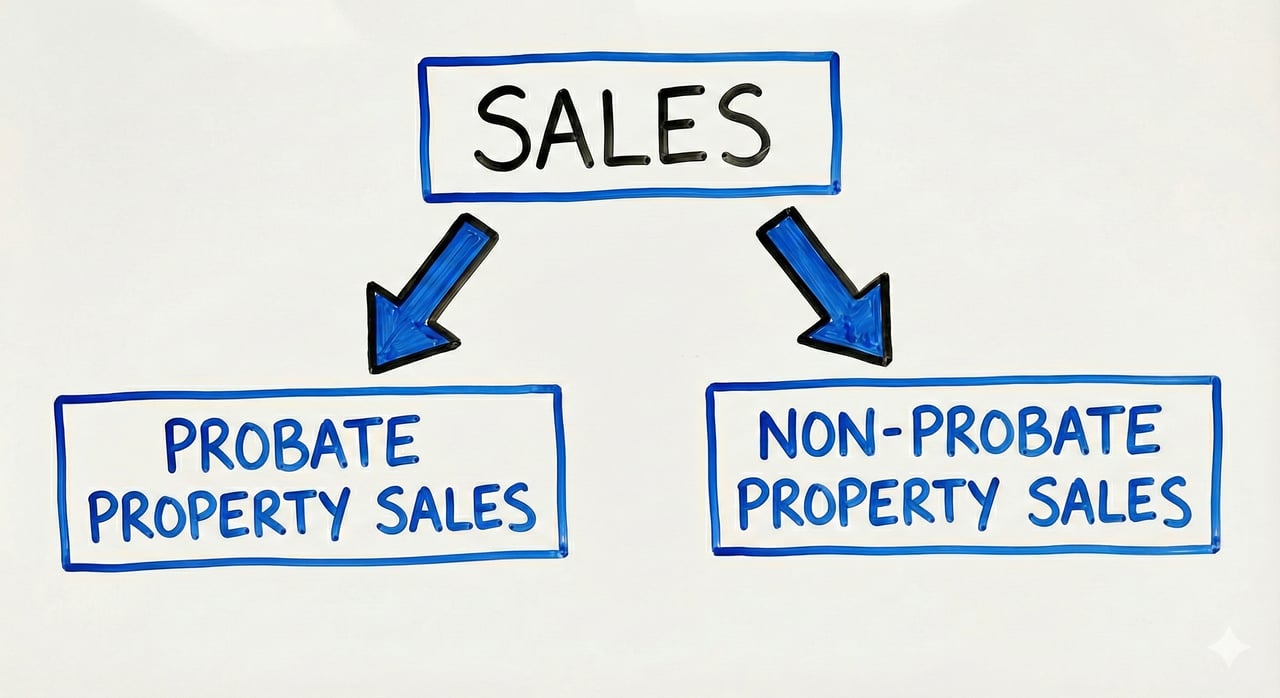
Probate and non-probate transactions follow different legal paths in New York City. These differences shape the timeline, authority to sell, price strategy, and buyer expectations. Many sellers do not realize how sharply the rules shift once the Surrogate’s Court is involved.
This guide explains what each process requires and how these requirements affect day-to-day decisions in a NYC sale. It also includes links to neighborhood and market resources for a broader context. For example, you can compare market patterns by reviewing our Park Slope Guide at https://decodenyc.com/neighborhoods/park-slope.
What Defines Probate Property in NYC
Probate property passes through the Surrogate’s Court before it can be transferred to a new owner. The court validates the will, appoints an executor, and supervises key steps in the process. This structure protects the estate but slows the timeline.
Executors cannot sign a contract until they receive formal authority from the court. Buyers must expect pauses while documents are reviewed and while required notices are issued to interested parties. Many long-term NYC owners pass property through probate, and these listings often come with detailed history and records that aid due diligence.
After the initial court appointment, the executor gathers financial information, hires an appraiser, and prepares documents for the eventual sale.
How court oversight shapes a probate sale
Probate requires consistent documentation for valuation, debt review, and final accounting. Each step forms part of a tracked process that must remain transparent. Executors must follow fiduciary standards, which affect pricing decisions and contract timing.
How Non-Probate Property Transfers Work in NYC
Non-probate transfers avoid court review. Common examples include ownership held in a trust, joint ownership with rights of survivorship, and property that follows beneficiary designations. These structures allow the surviving owner or trustee to act without court approval.
Non-probate sales progress faster and offer flexibility in pricing. Sellers can list immediately, negotiate without procedural pauses, and close once standard due diligence is complete. Buyers typically view these transactions as more predictable.
In NYC, many trusts are created for tax planning or long-term stability, which helps streamline future transfers.
Authority to Sell and Its Impact on Timelines
Authority is the core distinction between probate and non-probate sales. In probate, authority comes from the court. In non-probate transfers, authority comes from the trust agreement, the deed, or a beneficiary designation.
A probate sale often requires a formal appraisal, notice to beneficiaries, and final court approval of the contract. These steps create a longer but structured timeline. Non-probate sellers can react quickly to seasonal market shifts, which can be helpful in competitive neighborhoods.
If you want more perspective on how timing and market patterns influence contract activity, you can review recent insights on our blog at https://decodenyc.com/blog.
Valuation Rules in Probate and Non-Probate Transactions
Probate valuation involves formal reporting because the executor must document the estate’s assets. This documentation helps the court confirm that the property is priced reasonably and that beneficiaries receive accurate accounting.
Non-probate sellers have more discretion. They can set a price based on current demand and adjust as needed. This flexibility can be necessary in buildings with fast-moving inventory.
Executors tend to avoid underpricing because they must show that decisions align with their fiduciary duty. Trustees and surviving owners have more room to negotiate early in the listing process.
How Buyers Approach Due Diligence
Due diligence in probate and non-probate sales covers the same core elements. Buyers confirm the building rules, review financial statements, and check the property's condition. The difference appears in the paperwork that grants authority to sign.
In probate, buyers must receive proof of the executor’s appointment. Title companies may ask for additional documents to confirm that estate debts will not affect the closing. In non-probate purchases, authority follows directly from trust papers or property records.
Co-ops add another layer because board approval remains required even in estate sales.
Co-op and Condo Considerations for Probate Sales
Co-op probate sales require board approval, and boards may request a review of key estate documents. While boards focus on the buyer's financials, they often look for apparent authority from the executor or trustee.
Condos follow a more straightforward process. There is no board approval, only a right of first refusal. As a result, non-probate condo sales tend to close more quickly. Probate condos still move at a steady pace once authority is in place.
For a sense of how building type and neighborhood influence buyer expectations, you can explore our Chelsea Guide at https://decodenyc.com/neighborhoods/chelsea.
One Core List of Key Differences
-
Probate requires court oversight and documented authority, while non-probate transfers allow direct action by a trustee or surviving owner
-
Probate pricing relies on formal valuation, while non-probate pricing can shift with market patterns
-
Probate timelines are longer and include mandatory notices, while non-probate sales follow standard contract and closing steps
What Sellers Should Monitor
Sellers handling a probate sale must track deadlines and maintain clear records. Missing filings can slow the process. Executors must ensure transparency for beneficiaries, which affects pricing and negotiation decisions.
Non-probate sellers face fewer procedural risks but still must manage market timing and buyer expectations. Even without court involvement, preparation and accurate documentation help avoid delays once the property enters contract.
What Happens Next
Probate and non-probate sales follow distinct paths in New York City. Probate relies on court structure and defined authority, while non-probate sales move faster and require fewer procedural steps. Both can lead to a smooth closing when timelines and responsibilities are understood early.
If you need support preparing an estate property or reviewing a non-probate sale plan, we can assist.