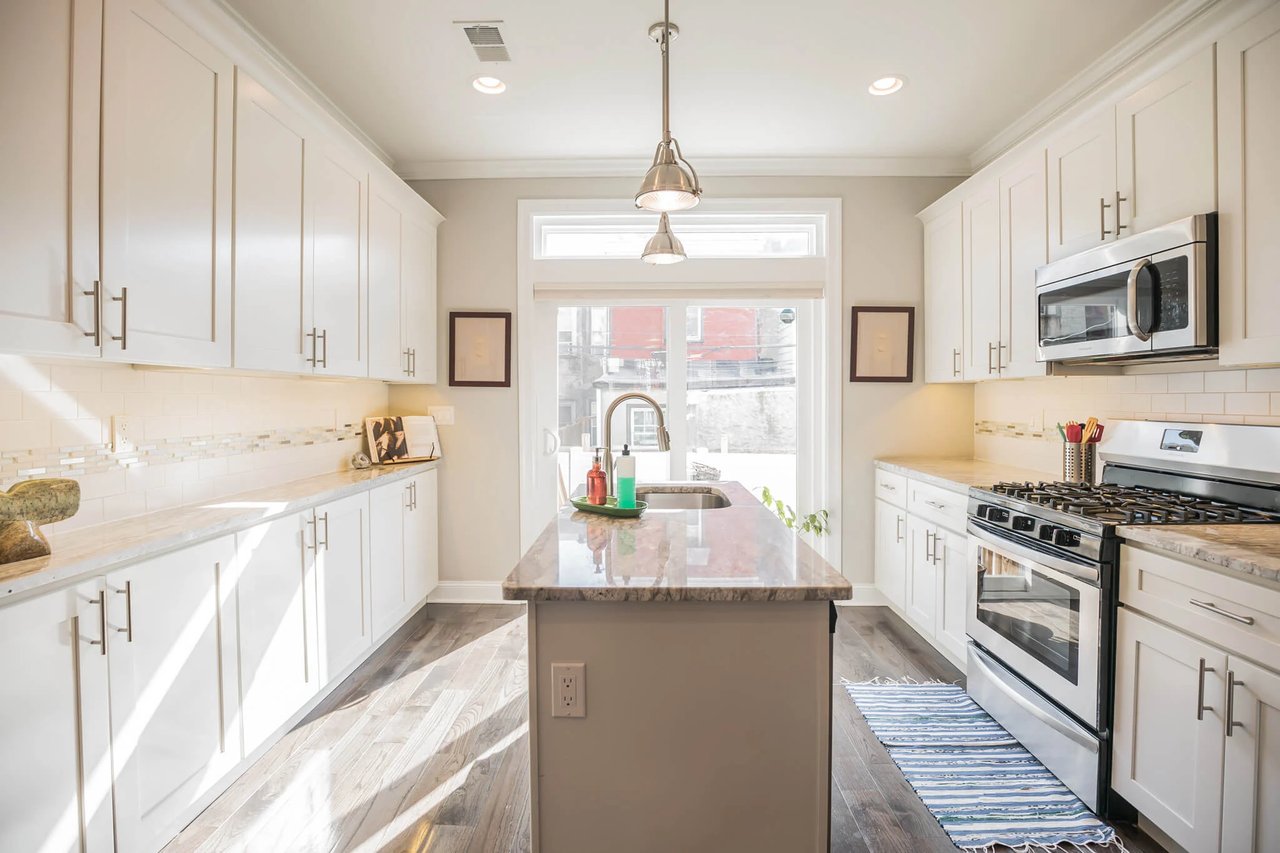
Deciding whether to renovate before listing a New York City home requires a clear and steady approach. Market expectations vary across neighborhoods, building types, and buyer profiles. A measured evaluation helps you avoid unnecessary costs while improving appeal.
The guidance below outlines how to judge renovation value, how buyers think during showings, and how to align your strategy with local conditions. You can compare broader neighborhood patterns in the Decode Park Slope Guide at https://decodenyc.com/neighborhoods/park-slope.
How Renovations Influence NYC Buyers
Buyers in New York often focus on condition because renovation work can be difficult in co-ops, condos, and townhouses. Building rules, contractor timelines, and delivery delays create uncertainty. A well-prepared home reduces these concerns and improves the first impression during tours.
Most buyers prefer predictable upgrades that avoid major layout changes. They look for clarity and consistency throughout the apartment rather than isolated high-cost work that introduces style conflicts. These expectations influence pricing discussions from the start.
Co-op Buyer Behavior
Co-op buyers usually want homes that need minimal repairs. Board review, alteration restrictions, and seasonal construction windows extend schedules. A light, clean presentation often works better than complex renovation programs.
Condo Buyer Behavior
Condo buyers are more willing to accept small improvements because renovation approvals are simpler. They may be willing to consider modest changes but still react strongly to clutter, deferred maintenance, and inconsistent finishes.
New Development Comparisons
Homes in new developments set the expectation for move-in-ready quality. Even if you own an older property, buyers often compare its condition with nearby new projects. These comparisons help explain why minor, targeted updates can support pricing. For local reference, review how finishes are presented in listings like 11 Hoyt at:
https://decodenyc.com/new-development/11-hoyt.
When Renovation Creates Real Value
A renovation produces value only when the cost is lower than the pricing lift it creates. Light improvements usually meet this threshold. They also support better photography and reduce objections during the first week of showings.
Well-selected upgrades often include paint, lighting, and surface work that improve brightness and clarity. These changes help buyers focus on layout rather than flaws. They also reduce the need for design interpretation, which simplifies decision-making.
High Return Improvements
A short list of practical updates usually delivers the strongest return because they change the feel of the apartment without heavy construction.
-
Fresh paint in calm, neutral tones
-
Updated lighting that improves overall brightness
-
Basic floor refinishing or touch-up work
These items reduce distractions and help buyers imagine their furniture with less effort.
When Renovation Does Not Support a Higher Price
Major renovations rarely produce a full financial return. Buyers often prefer to choose finishes and materials themselves. They may even lower their offer if the work conflicts with their taste or long-term plans for the home.
Large projects also extend your timeline and increase carrying costs. This includes mortgage payments, taxes, and maintenance. These added months can offset any projected value gain.
High Risk Upgrades
Work that involves plumbing moves, layout changes, or landmark restrictions tends to be expensive and slow. These projects leave little room for pricing flexibility once the home is listed. Most buyers are aware of these challenges and may question the long-term benefit of the investment.
Setting a Renovation Threshold for Your Property
Every property has a limit beyond which additional work stops adding value. This threshold depends on the neighborhood, building rules, and buyer expectations at your price level. Reviewing comparable listings helps you set realistic parameters.
Look at the gap between renovated and unrenovated homes in your area. If the difference is small, even a modest renovation may not justify the cost. In areas with historic homes, such as Fort Greene, shown in the guide at https://decodenyc.com/neighborhoods/fort-greene, buyers often prefer original detail over extensive modernization.
Pricing Strategy With or Without Renovation
Correct pricing with a clear condition assessment is more valuable than an oversized renovation plan. Pricing should reflect how buyers view the home on first impression. This includes layout clarity, lighting quality, and finish consistency.
Pricing a renovated home above surrounding listings only works when the work is aligned with local expectations. Pricing an unrenovated home requires transparency and a strong value justification. Both methods succeed when grounded in recent sales and measured presentation.
Preparing to List Without Major Renovation
A full renovation is not required to present a property well. Thoughtful preparation helps buyers focus on space rather than condition. Staging and selective repairs often create more value than high-budget work.
A focused preparation plan can include:
-
Deep cleaning and decluttering to reveal more space
-
Minor repairs to remove distractions
-
Light staging with neutral pieces to show flow
Buyers make early decisions based on clarity. These steps help you present the home with ease.
Moving Forward With a Clear Plan
If you are deciding whether to renovate before selling, set a simple criteria list. Review costs, buyer expectations, and your timeline. Short, targeted updates usually offer the best balance of value and efficiency without changing the core layout of your home.
If you want guidance on preparing a property for sale in NYC, you can reach out anytime.