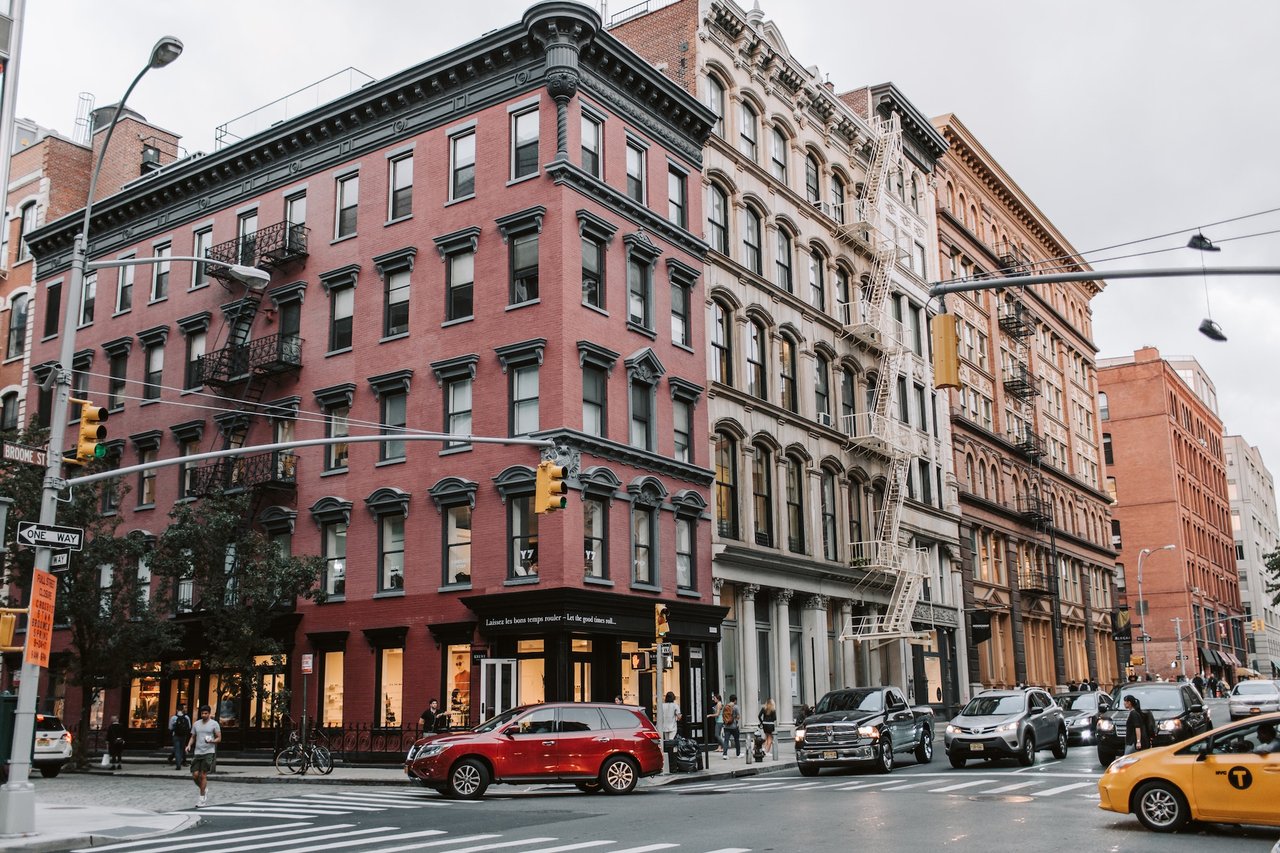
Artists-in-Residence rules shape the loft market in SoHo and NoHo. These rules apply in buildings that were once manufacturing spaces and later became Joint Living Work Quarters for Artists. Buyers often hear mixed explanations from agents and attorneys, so a clean category-wide guide helps bring clarity.
This article explains how A.I.R. rules work, which buildings require certification, and how to review a unit before signing a contract. You will also see how A.I.R. ties into zoning and broader neighborhood patterns.
Understanding A.I.R. Certification in SoHo and NoHo
A.I.R. certification allows a working artist to live in certain manufacturing buildings legally. The certificate is issued by the Department of Cultural Affairs and applies to the person, not the property. This creates complexity when a non-artist wants to purchase in a building that still relies on Joint Living Work Quarters for Artists.
Most affected buildings are located in M1-5A and M1-5B zoning districts. These districts were never intended for residential use, so the City created a process that allows artists to occupy them. You can compare this regulatory background to our SoHo neighborhood guide:
https://decodenyc.com/neighborhoods/soho
The Zoning Districts That Trigger A.I.R. Requirements
Zoning explains most A.I.R. issues. SoHo and NoHo contain manufacturing districts where residential use is restricted unless the occupant holds certified artist status. This zoning structure dates from a period when these blocks supported small industry rather than residential lofts.
The key districts are M1-5A and M1-5B. These zones cover several blocks west of Broadway in SoHo and east of Lafayette in NoHo. Buildings in these districts often retain their cast-iron fronts, deep floorplates, and large windows. These features attract buyers, but the zoning rules still require careful review.
When a buyer considers one of these buildings, the following questions become essential:
-
Does the building have a residential certificate of occupancy?
-
Has the unit been legalized?
-
Is A.I.R. status still required for occupancy?
Buildings in SoHo and NoHo That Commonly Require A.I.R. Certification
This section lists buildings often associated with A.I.R. requirements. These buildings sit in the core M1-5A and M1-5B districts and have a long history of use by artists or partial legalization. Due diligence remains important because conversions may vary from unit to unit.
Core SoHo Buildings Requiring A.I.R.
The following buildings fall within the strongest A.I.R. zones. They are known for open loft layouts, cast-iron features, and ongoing references to Joint Living Work Quarters for Artists.
-
101 Wooster Street
-
109 Wooster Street
-
131 Wooster Street
-
138 Grand Street
-
141 Wooster Street
-
142 Greene Street
-
143 Mercer Street
-
145 Greene Street
-
151 Wooster Street
-
155 Wooster Street
-
159 Mercer Street
-
160 Wooster Street
-
161 Grand Street
-
169 Mercer Street
-
174 Mercer Street
-
180 Wooster Street
-
222 Wooster Street
-
240 Lafayette Street
-
241 Lafayette Street
-
244 Lafayette Street
Core NoHo Buildings Requiring A.I.R.
NoHo contains several buildings with similar zoning constraints. Many of them cluster along Bond Street and Broadway. These properties often retain older manufacturing layouts that later shifted to artist work and living space.
-
8 Bond Street
-
10 Bond Street
-
21 Bond Street
-
31 Bond Street
-
57 Bond Street
-
640 Broadway
-
682 Broadway
-
704 Broadway
-
708 Broadway
-
712 Broadway
Buildings With Mixed or Case Specific Requirements
Some buildings sit at zoning boundaries or have partial residential certificates. These buildings may include both A.I.R. units and fully legalized apartments. Buyers must confirm unit level details.
-
627 Broadway
-
580 Broadway
-
611 Broadway
-
620 Broadway
-
77 Mercer Street
-
84 Mercer Street
-
90 Prince Street
-
103 Prince Street
For an example of how zoning and legal status interact in development, you can review the project details for 570 Broome:
https://decodenyc.com/new-development/570-broome
How to Verify Whether a Specific Unit Requires A.I.R.
Even if a building is located in an A.I.R. district, a specific unit may already be legalized. The legal status depends on certificates, filings, and any Loft Law history. Buyers should coordinate with an architect or attorney who understands the building’s documentation.
A practical approach includes checking the certificate of occupancy, reviewing past permits, and, when applicable, scanning Loft Board records. This helps confirm whether the unit can be occupied without A.I.R. certification. It also helps determine whether the seller is aware of any compliance issues that could affect financing.
Buyer and Seller Risks in A.I.R. Buildings
A.I.R. rules introduce risks on both sides of the transaction. Many of these risks stem from discrepancies between how a building is used and how it is recorded in City filings. Buyers and sellers should understand these risks early to avoid delays during contract review.
Buyer concerns
Buyers may face uncertainty around financing if the unit does not have a standard residential certificate. Lenders often request clear proof of legal occupancy. Insurance can also be more difficult to secure when the use is not fully documented. Buyers may need additional time to confirm whether artist certification is required or optional.
Seller concerns
Sellers may encounter a smaller buyer pool, especially if certification remains mandatory. Some buyers hesitate when they see older filings or unclear documentation. Sellers may need to resolve old violations before listing or provide additional transparency during negotiations.
Due Diligence Steps for Buyers Considering a Loft
A clear process removes much of the confusion. Buyers can structure their review in several predictable steps that align with the zoning rules. These steps also help attorneys and lenders understand the building’s status before they issue approvals.
-
Confirm the zoning district for the address.
-
Check for a residential certificate of occupancy.
-
Review building history and Loft Law records.
-
Discuss financing with a lender familiar with artist-in-residence units.
-
Work with a real estate attorney who understands these buildings.
For context on how building stock varies across neighborhoods, you can compare this to our Hudson Square guide:
https://decodenyc.com/neighborhoods/hudson-square
How These Rules Shape Pricing in SoHo and NoHo
A.I.R. requirements influence pricing by reducing the number of buyers who can legally occupy specific units. Buildings with clean legalization histories often attract stronger demand. Units that still rely on A.I.R. certification may trade at a discount because they involve more complex due diligence.
The character of these lofts remains a major draw. Buyers value the open volume, tall ceilings, and historic detail. The market tends to reward units with clearer legal status, while units with unresolved filings may require price adjustments.
Map Overview of A.I.R. Buildings in SoHo and NoHo
Most A.I.R. buildings cluster along the historic manufacturing corridors between Houston Street and Canal Street. The concentration shifts north through NoHo toward Astor Place. Understanding this geography helps predict where certification is likely required.
These buildings tend to sit west of Broadway in SoHo and east of Lafayette in NoHo. Many occupy mid-block positions that once held workshops and factories. When reviewing a property, buyers should cross-check the zoning map and confirm the exact frontage, as zoning boundaries may change from one side of the block to the other.
What to Keep in Mind as You Begin Your Loft Search
A.I.R. regulations are unique to SoHo and NoHo. With the right due diligence, buyers can navigate these buildings confidently. This guide provides a practical foundation for your search and helps you understand how zoning shapes the loft market.
If you want guidance on buying in SoHo or NoHo, reach out anytime.