Estate properties often perform differently than standard listings in New York City. These homes attract a narrower but more decisive buyer pool, especially when marketed with precision. In today’s market, buyers remain active for properties that feel scarce, well located, and thoughtfully presented. Estate listings that account for buyer psychology and local conditions often exceed price expectations. The outcome depends less on luck and more on execution.
What Qualifies as an Estate Property in NYC
In New York City, an estate property typically refers to a home with scale, uniqueness, or architectural distinction. This can include townhouses, large prewar apartments, lofts, or penthouses with defining features. Estate properties often sit outside standard pricing models because direct comparisons are limited. Buyers approach these homes emotionally as well as analytically. That combination can support stronger pricing when handled carefully.
Why Estate Properties Behave Differently Than Standard Listings
Estate properties do not compete with entry-level or mid-market homes. They compete with alternatives such as custom renovations, new development, or other rare opportunities. Buyers evaluating estate homes are often less price sensitive when value is clearly communicated. They focus on light, layout, privacy, and long-term livability. Marketing must reflect those priorities instead of relying on broad market averages.
Pricing Estate Properties in a Micro-Market City
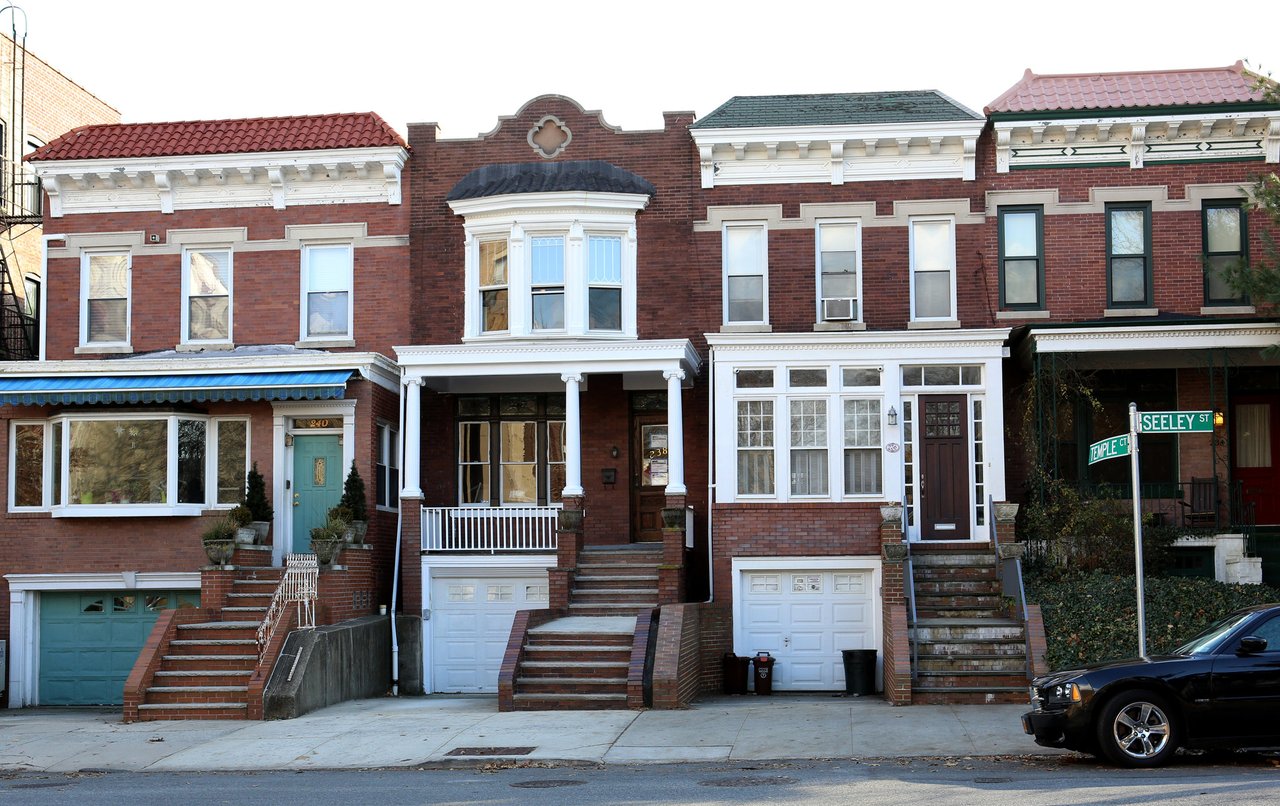
New York City functions as a network of micro-markets rather than a single housing market. Estate pricing must reflect neighborhood-specific demand, not borough-wide statistics. A townhouse in Park Slope follows a different pricing logic than a loft in Tribeca or a penthouse on the Upper West Side. Sellers who price based on distant comparables risk misreading buyer expectations. Accurate pricing creates urgency without limiting perceived value.
You can see how neighborhood context shapes pricing patterns in our Park Slope neighborhood guide: https://decodenyc.com/neighborhoods/park-slope
Marketing Strategy Matters More Than Ever
Marketing determines whether an estate property feels rare or merely expensive. Buyers need clarity about layout, proportions, and flow before they engage emotionally. High-quality photography, floor plans, and written descriptions reduce uncertainty. Narrative matters because buyers are purchasing a lifestyle, not just square footage. This is especially true for properties with historic or architectural significance.
Our blog explores how presentation and positioning influence buyer perception in NYC real estate: https://decodenyc.com/blog
The Role of Location and Buyer Perception
Estate buyers pay close attention to neighborhood character and long-term value stability. Proximity to parks, schools, transportation, and cultural anchors matters more at higher price points. Buyers often cross-shop neighborhoods, weighing lifestyle differences against pricing. A well-located estate property can justify a premium even in uncertain market cycles. Location reinforces scarcity when inventory remains limited.
Preparing an Estate Property for Market
Preparation directly affects how buyers interpret value. Estate listings that appear unfinished or poorly maintained invite negotiation rather than competition. Strategic preparation reduces objections and strengthens buyer confidence. This applies equally to historic homes and newer luxury properties. The goal is to present the property as intentional and cared for.
-
Review recent neighborhood sales and pricing trends
-
Address visible maintenance and cosmetic issues
-
Clarify layout and functionality through staging
-
Align marketing materials with buyer expectations
Development and Scale Considerations
Some estate properties involve zoning, air rights, or development potential. In New York City, these elements add complexity but can also increase value. Buyers interested in long-term flexibility often pay more for properties with expansion options. Clear explanation of development potential helps avoid confusion and delays. Transparency protects both buyer and seller during negotiations.
For examples of how scale and development context affect pricing, see our new development coverage: https://decodenyc.com/new-development
A Practical Way Forward for Estate Sellers
Estate properties can sell for more in today’s NYC market when strategy replaces assumption. Correct pricing, focused marketing, and neighborhood awareness shape outcomes. Sellers benefit from treating estate sales as a distinct category rather than a standard transaction. If you want guidance in preparing an estate property for the New York City market, reach out anytime.